When we think of dental health, we often focus on cavities or alignment. However, your regular check-up serves a much larger purpose. It is one of the most effective ways to monitor your entire oral system for changes that require professional attention.
Oral cancer awareness is not about creating alarm; it is about empowerment. Understanding what is "normal" for your mouth allows you to act quickly if something seems amiss.
Disclaimer: This information is for educational purposes only and is not a substitute for professional medical advice. If you notice persistent changes in your mouth, please schedule an appointment with a dental professional immediately.
Why Awareness Matters
Early detection is the single most significant factor in successful treatment. Because oral cancer can develop without pain in its earliest stages, it is easy to overlook subtle warning signs during your daily routine.
Staying informed about the changes that warrant a second look helps you take an active role in your long-term health. As Dr. Mervet Mansour notes:
"Many of our patients are surprised to learn that a routine dental check-up is one of the most reliable ways to detect oral cancer early. When we see you for a screening, we aren't just looking at your teeth; we are examining the health of your entire mouth, tongue, and throat. That professional perspective is invaluable for catching things that you simply cannot see on your own."
Common Symptoms to Monitor
While many oral changes are minor, some symptoms warrant a professional evaluation if they persist for more than two weeks. Please keep an eye out for:
Persistent Sores: Ulcers, sores, or irritations that do not heal or bleed easily.
Unexplained Lumps: Any thickening, bumps, or rough spots on the lips, gums, or inside the mouth.
Color Changes: Patches that appear velvety white, red, or speckled.
Numbness: Any unexplained loss of feeling or sensitivity in the mouth or tongue.
Difficulty with Function: Ongoing pain or difficulty when chewing, swallowing, or moving your jaw and tongue.
Persistent Hoarseness: A long-lasting sore throat or a feeling that something is caught in the throat.
Understanding Risk Factors
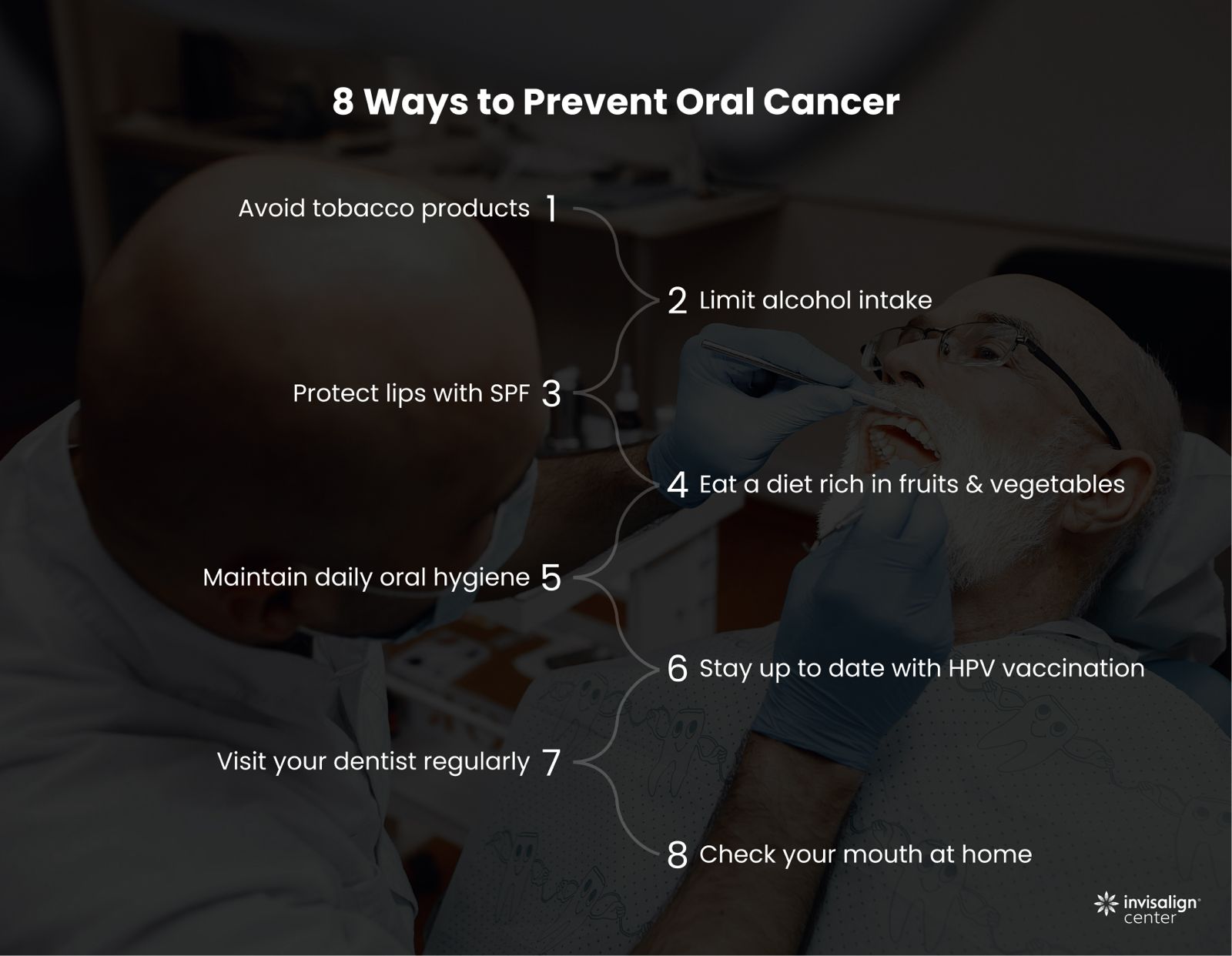
Certain factors can increase the likelihood of developing oral cancer. While anyone can develop the condition, it is statistically more common in individuals who use tobacco products, consume alcohol heavily, or have prolonged exposure to the sun (specifically affecting the lips).
Genetics and age also play a role. Being aware of these factors doesn’t mean you are at high risk, but it does mean you should be extra diligent about your routine check-ups.
The Importance of Professional Screenings
You cannot see every area of your mouth, and oral cancer often starts in places that are difficult to inspect on your own. A professional screening is a non-invasive, quick process where your dentist examines the soft tissues for abnormalities.
If you have concerns about a specific change, do not wait for your six-month recall. Early intervention is always the safest approach to maintain your health.
Prioritize Your Health
Your oral health is a gateway to your overall well-being. If you have noticed any persistent changes or simply want the peace of mind that comes with a professional screening, our team is here to help.
Schedule your next check-up today and let us help you keep your smile healthy and protected.
Frequently Asked Questions
Is an oral cancer screening painful?
Not at all. It is a visual and physical examination that is completely painless and usually takes just a few minutes.
How often should I get screened?
We recommend an oral cancer screening as part of every routine dental examination, ideally every six months.
What happens if the dentist finds something suspicious?
Finding an abnormality does not necessarily mean cancer. It simply means we need to investigate further. We may perform a follow-up assessment or refer you to a specialist for a biopsy to get a definitive answer.

Written by
Dr. Mervet Mansour
Orthodontics & Dento-Facial Orthopedics Specialist
Dr. Mervet Mansour specialises in Orthodontics and Dento-Facial Orthopedics and is licensed to practise in the UAE, United Kingdom, and Romania. She has extensive experience with Invisalign treatment, including serving as a clinical advisor for the Invisalign manufacturer, where she oversaw thousands of case setups and supported clinicians in treatment planning. Her expertise spans complex aligner therapy, orthodontic treatment planning, and dento-facial orthopedics.


