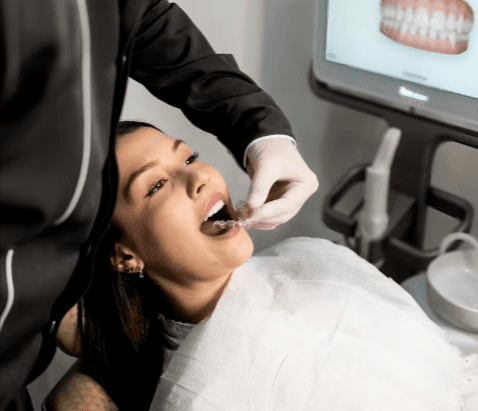
Finishing orthodontic treatment feels like reaching the finish line. Your teeth are straight, your smile is confident, and you are ready to move on. However, the most important phase is just beginning with retention.
Your retainer protects the time, effort, and commitment you put into your smile. How you care for it determines if your results last a lifetime or gradually fade.
In this guide, we’ll share practical, expert-backed advice on what to do, what to avoid, and how to make retainer care effortless, all with the world-class care, comfort, and expertise you expect from us.
Types of Retainers and Their Purpose
A retainer is a custom dental device that keeps your teeth in place after orthodontic treatment. Without it, teeth can gradually shift, reversing months or years of effort as the bone and surrounding tissues adapt.
There are two main types of retainers:
Removable retainers - usually clear plastic, easy to wear and clean.
Fixed (bonded) retainers - attached behind your teeth for permanent support.
Knowing which type you have and why it matters helps you follow proper care routines and maintain a confident, straight smile for years.
Why Caring for Your Retainer Protects Your Teeth
Clinical research shows that teeth can begin to shift soon after orthodontic treatment if retainers are not worn, measurable alignment changes observed within just a few weeks. This highlights why consistent retainer use is crucial.
Here’s why proper retainer care matters:
Your teeth are not fully settled after braces or clear aligners. The surrounding bone and tissues need time to adapt, and teeth naturally try to shift back.
A retainer is an active tool that keeps your teeth in place after orthodontic treatment while your mouth stabilizes.
Proper care ensures your retainer fits well, stays clean, and functions effectively. We use latest modern technology to maintain precise, long-lasting results.
Consistent wear protects the time and effort you invested in your smile, helping you maintain a confident, straight look for years.

Daily Do’s for Proper Retainer Care
Building simple daily habits is the most reliable way to protect your orthodontic results. Here’s how to keep your retainer and your smile healthy and stable:
1. Clean Your Retainer Every Day
Each time you wear your retainer, it collects saliva, bacteria, and plaque. Skipping cleaning can lead to odor, discoloration, and bacterial buildup.
A safe daily routine includes:
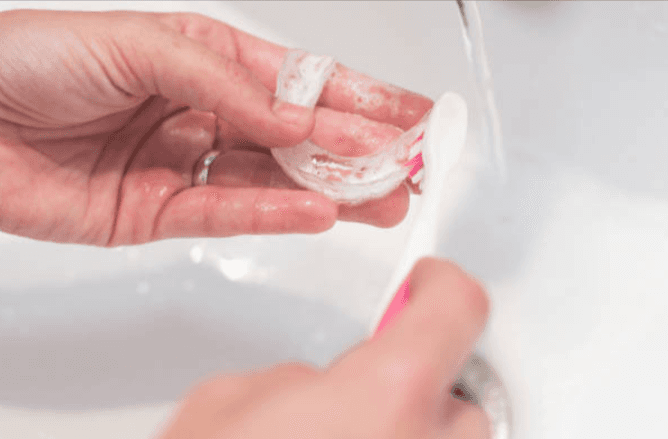
Rinse your retainer with lukewarm water after removal
Gently brush it with a soft toothbrush
Use a mild, clear liquid soap if needed
Rinse thoroughly and let it air dry
Avoid toothpaste, as it contains abrasive particles that can scratch the retainer and harbor bacteria.
For deeper cleaning, soak your retainer in a retainer-specific solution or a diluted white vinegar solution two to three times per week.
2. Store Your Retainer in a Protective Case
Always store your retainer in its case when not in use. This simple habit prevents most damage and loss.
Avoid leaving it on tables, wrapping in napkins, or placing it in pockets.
Keep it out of reach of pets, which can chew retainers.
Ensure your case is ventilated and dry, as a damp, sealed case encourages bacterial growth.
3. Wear Your Retainer Exactly as Prescribed
Your wear schedule is designed to match how your teeth and bone respond after treatment:
Full-time wear during the first few months
Nighttime wear after stabilization
Long-term maintenance several nights per week
Consistency is more important than perfection. Studies show that relapse is more common in patients who stop wearing retainers within the first few years.
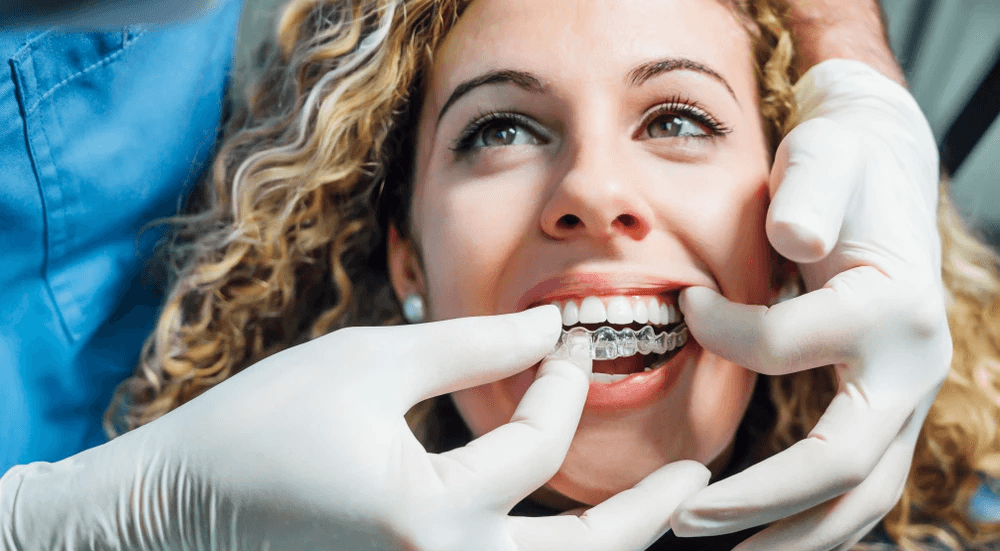
4. Handle Retainers with Clean Hands
This sounds simple, but it is often overlooked. Your hands carry bacteria from everything you touch throughout the day.
Washing your hands before inserting or removing your retainer protects both your oral health and the cleanliness of the retainer itself.
5. Maintain Excellent Oral Hygiene
A clean retainer is only effective if your teeth are clean. Brush and floss before wearing your retainer to reduce plaque, prevent cavities, and avoid odors. Using modern, proven dental technology helps support healthy teeth alongside proper retainer care.
Daily Don’ts That Can Damage Retainers
Knowing what to avoid is just as important as knowing what to do.
1. Do Not Use Hot Water or Heat
Heat is the fastest way to ruin a retainer. Hot water can warp plastic retainers in seconds, permanently changing their shape. Avoid:
Hot or boiling water
Dishwashers
Leaving retainers in hot cars
Placing them near heaters or sunlight
If the water feels too hot for your fingers, it is too hot for your retainer.
2. Do Not Eat or Drink with Retainers In
Chewing with a removable retainer can crack or deform it. Food and sugary drinks trapped against your teeth also increase the risk of cavities and enamel damage.
Clear retainers can stain from coffee, tea, and colored beverages. Staining may lead to less frequent wear, increasing the risk of teeth shifting. Always remove your retainer before eating or drinking anything except water.
3. Do Not Use Harsh or Abrasive Cleaners
Some products may feel effective but slowly damage retainer materials. Avoid:
Toothpaste
Alcohol-based mouthwash
Bleach
Baking soda pastes
Stick to gentle, nonabrasive cleaning methods designed for dental appliances. Following safe cleaning practices helps your retainer last longer and stay hygienic.
4. Do Not Skip Wearing Your Retainer
Skipping one night often leads to multiple nights missed. Teeth can shift surprisingly fast, and once a retainer no longer fits, correction becomes more difficult.
Think of retainer wear as part of your nightly routine, just like brushing your teeth. Simple, consistent habits are the key to keeping your smile stable over the long term.
How to Clean Retainers Safely and Effectively
Cleaning does not need to be complicated. Consistency matters more than intensity.
Daily Cleaning
Rinse with lukewarm water
Brush gently with a soft toothbrush
Air dry before storing
Weekly Deep Cleaning
Soak in retainer cleaning tablets or diluted white vinegar
Rinse thoroughly afterward
Cleaning Products to Avoid
Product | Why to Avoid |
Toothpaste | Contains abrasive particles that can scratch your retainer, creating small grooves where bacteria can accumulate. |
Bleach | Harsh chemicals can weaken or discolor retainer materials, shortening their lifespan. |
Alcohol mouthwash | Can dry out or weaken plastic, making the retainer more prone to cracks and warping over time. |
Boiling water | Excessive heat can warp the retainer almost instantly, preventing it from fitting properly. |
Common Retainer Problems and How to Prevent Them
Even with good habits, issues can happen. Knowing the signs helps you act early.
Odor or Discoloration
Usually caused by inconsistent cleaning. Daily brushing and weekly soaking prevent this.
Warping or Poor Fit
Often linked to heat exposure or chewing. Always remove retainers before eating and avoid hot environments.
Teeth Shifting
Wear time inconsistent. Returning to your prescribed schedule early can prevent further movement.
Cracks or Breaks
Small cracks often worsen quickly. A damaged retainer should be replaced before it compromises your results.
Long Term Retainer Care for Lasting Results
Retention is not temporary. Teeth can shift at any age, even years after treatment. Successful long-term retention depends on:
Consistent wear
Proper cleaning
Early attention to fit changes
Regular dental checkups
Consistency is more important than perfection. Studies show that relapse is more common in patients who stop wearing retainers within the first few years.
This schedule is important for all patients, including those following children’s orthodontic care, helping them maintain proper alignment as they grow.
Following your prescribed routine protects the time and effort you invested in your smile, keeping teeth straight and confident for years to come.
Maintain Your Smile with Proper Retainer Care
Your orthodontic treatment gave you a straight, confident smile. Retainer care is what keeps it that way.
By following these do’s and don’ts, you protect your results, support your oral health, and avoid unnecessary retreatment. We combine world-class dental care, expert Diamond-awarded dentists, and modern, proven technology to ensure your smile remains aligned and healthy.
When you care for your retainer properly, your smile continues working for you for years to come.
Frequently Asked Questions
How long will you wear retainers?
The length of time you need to wear your retainer depends on your orthodontic treatment and your teeth’s natural tendency to shift. Most patients wear retainers full-time for the first few months, then transition to nighttime wear for long-term maintenance. Consistent use helps keep teeth straight and prevents relapse.
What does a retainer do?
A retainer is a custom dental device that keeps your teeth in place after braces or clear aligners. It stabilizes your teeth while bone and tissues adapt, preventing them from shifting back to their original positions.
Is a retainer painful?
Some minor discomfort is normal, especially during the first few days of wearing a new retainer. This usually feels like gentle pressure as teeth adjust. Discomfort typically fades quickly, and a properly fitted retainer should never cause sharp pain.
How should I clean my teeth retainer?
Clean your retainer daily by rinsing it with lukewarm water, gently brushing with a soft toothbrush, and using mild soap if needed. Avoid toothpaste and harsh chemicals. For deeper cleaning, soak your retainer in a retainer-specific solution or diluted white vinegar two to three times per week.
What are common retainer problems and how can I prevent them?
Common issues include odor, discoloration, warping, poor fit, cracks, or teeth shifting. Prevent problems by wearing your retainer consistently, cleaning it properly, storing it in a protective case, avoiding heat or harsh chemicals, and attending regular dental checkups.

Written by
Dr. Mervet Mansour
Orthodontics & Dento-Facial Orthopedics Specialist
Dr. Mervet Mansour specialises in Orthodontics and Dento-Facial Orthopedics and is licensed to practise in the UAE, United Kingdom, and Romania. She has extensive experience with Invisalign treatment, including serving as a clinical advisor for the Invisalign manufacturer, where she oversaw thousands of case setups and supported clinicians in treatment planning. Her expertise spans complex aligner therapy, orthodontic treatment planning, and dento-facial orthopedics.


