
Key Takeaways
Planning your wedding smile involves selecting the right treatments based on your timeline, goals, and overall dental condition. A structured approach helps ensure results are both natural and stable.
Different treatments follow different timelines, so starting early allows for better sequencing and more predictable results.
Combining treatments often produces a more balanced and natural outcome than relying on a single procedure.
The most effective results come from a personalised plan that aligns with both your schedule and long-term oral health.
If you are preparing for your wedding and feel unsure about your smile, it is common to start exploring options only a few months before the event, often without a clear understanding of which treatments fit your timeline or goals.
Whether you are addressing discoloration, alignment, or small irregularities, choosing the right approach early helps you achieve a refined and natural wedding smile without unnecessary pressure.
What Is Wedding Smile Planning
If you are planning to improve your smile before your wedding, this usually involves a structured approach based on your timeline and specific concerns.
In some cases, a single procedure may be enough. In others, combining treatments provides a more consistent result. The goal is to improve appearance while maintaining comfort, function, and long-term stability.
Why Planning Your Wedding Smile Early Matters
Each dental treatment follows a different timeline. Some deliver immediate improvements, while others rely on gradual, controlled changes.
Planning early allows you to:
Select options based on clinical need rather than urgency
Allow time for refinement and follow-up if needed
Combine treatments where appropriate for a more balanced result
If you are planning improvements across multiple areas of your smile, early preparation provides more flexibility and predictable outcomes.
How to Choose the Right Dental Treatment for Your Wedding
The right approach depends on your current dental condition and the level of improvement you want to achieve. A structured evaluation provides clarity on what is both realistic and clinically appropriate.
Key considerations include:
Timeline: Weeks versus several months
Smile concerns: Discoloration, spacing, shape, or gum balance
Extent of change: Subtle refinement or more comprehensive correction
Maintenance: Retainers, hygiene, or follow-up care
In many cases, the most effective results come from combining treatments rather than relying on a single solution. A personalized treatment plan ensures that improvements appear natural and remain stable beyond the wedding.
Combining Dental Treatments for a Balanced Wedding Smile
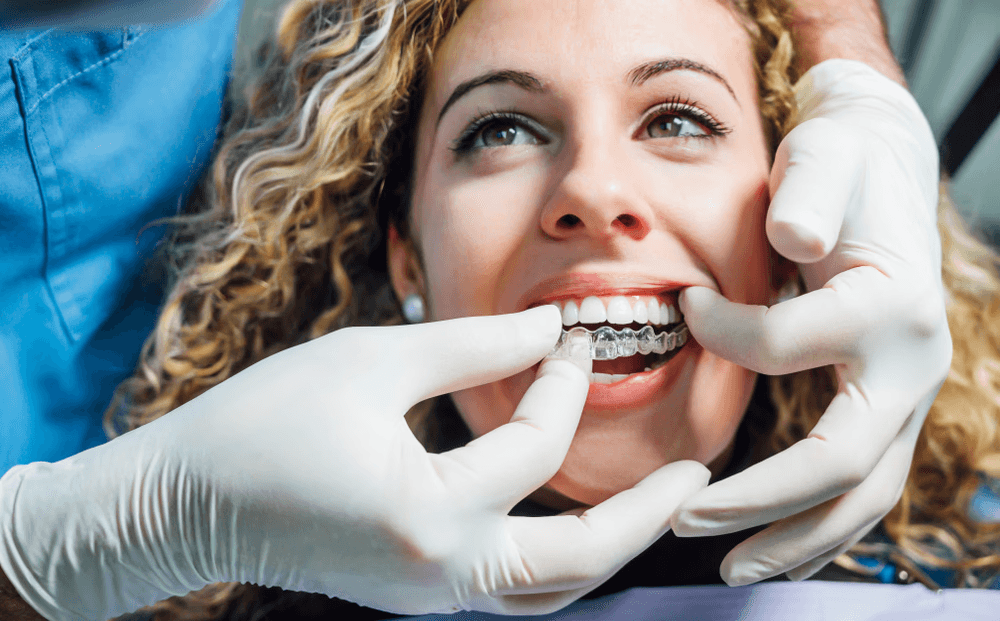
A single procedure may not always address every aspect of your smile. In many cases, combining treatments produces a more balanced and natural result.
For example:
Teeth whitening and composite bonding: Improves brightness while correcting small imperfections
Clear aligners and whitening: Aligns teeth first, then refines overall shade
Veneers and gum contouring: Enhances both tooth structure and gum symmetry
This approach allows each treatment to address a specific concern while maintaining consistency across your overall appearance. The goal is not to over-treat, but to create a result that looks proportionate and natural.
5 Dental Treatments for a Wedding-Ready Smile
Different treatments address specific aspects of your smile. The right option depends on your timeline, clinical needs, and desired outcome.
1. Teeth Whitening
Improving brightness is one of the most effective ways to refresh your smile in a short period, especially before a wedding. Teeth whitening is often chosen as a starting point when you want visible results within a limited timeframe.
Professional whitening systems provide controlled, even shade improvement and are typically completed within a short timeframe. This makes them suitable if your wedding date is approaching or as a finishing step after other treatments.
Clinical research shows that professionally supervised whitening can improve tooth shade effectively when performed under appropriate protocols.
2. Clear Aligners
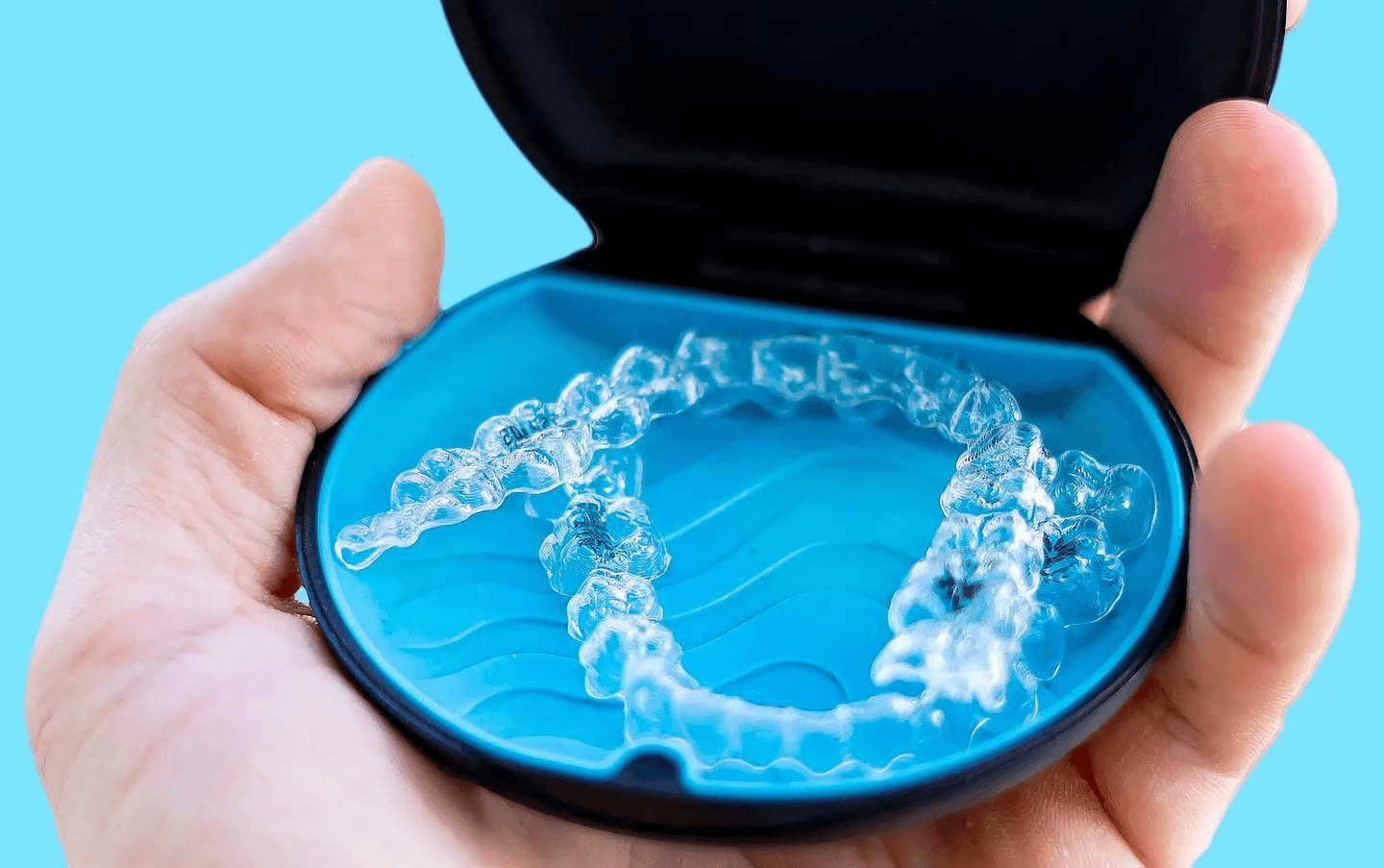
Improving spacing, crowding, and mild bite concerns often requires a gradual and controlled approach. Clear aligners are commonly used to achieve this through precise tooth movement, especially when you start several months in advance.
Treatment is guided by digital scans, allowing accurate mapping of each stage. Because the aligners are nearly invisible, they fit easily into your daily routine and pre-wedding events.
If you plan early, alignment is often followed by whitening to refine the final result.
3. Dental Veneers
Addressing multiple concerns such as color, shape, and minor alignment often requires a more comprehensive approach. Dental veneers are commonly used to achieve these improvements while maintaining overall smile balance. Each veneer is designed to match your facial proportions and natural tooth structure.
The process involves detailed planning and multiple visits to ensure accuracy and consistency. This makes veneers suitable if you are looking for a refined, long-term enhancement.
Clinical studies show that porcelain veneers can achieve high long-term durability when properly planned and placed.
4. Composite Bonding
Correcting small imperfections such as chips, minor gaps, or uneven edges often requires a conservative approach. Composite bonding is commonly used for these targeted adjustments while preserving the natural tooth structure.
The procedure is typically completed in a single visit, making it a practical option if your timeline is shorter. It is also commonly combined with whitening to improve overall brightness and consistency.
Because this approach maintains most of the original tooth surface, it remains a suitable option for subtle refinements.
5. Gum Contouring
Improving the balance between your teeth and gums often involves adjusting uneven gum lines. Gum contouring is commonly used to reshape the gum tissue and create a more proportionate appearance. In some cases, the overall look of your smile is influenced more by gum position than tooth structure.
This treatment enhances symmetry and is often combined with veneers or whitening to achieve a more consistent result. Allowing sufficient healing time helps ensure the final appearance remains stable before your wedding.
Comparing Treatments Based on Timeline
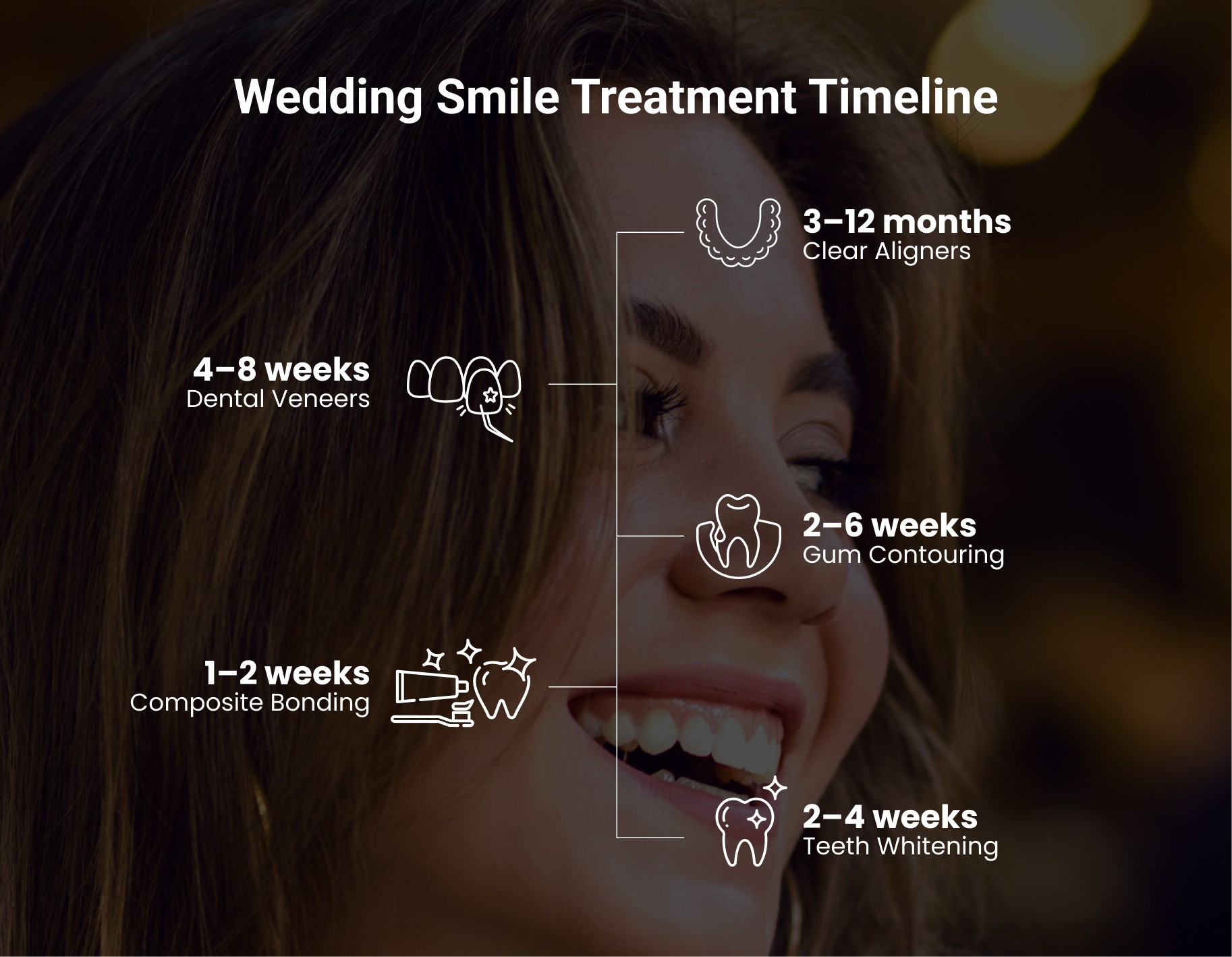
Understanding treatment timelines helps you plan your dental treatment more effectively and avoid last-minute adjustments.
Treatment | Ideal Timeline Before Wedding | Primary Purpose |
Teeth Whitening | 2 to 4 weeks | Improve brightness |
Composite Bonding | 1 to 2 weeks | Minor corrections |
Gum Contouring | 2 to 6 weeks | Improve symmetry |
Veneers | 4 to 8 weeks | Comprehensive enhancement |
Clear Aligners | 3 to 12 months | Correct alignment |
If your timeline is shorter, prioritizing treatments such as whitening or bonding allows for meaningful improvement without compromising results.

What to Expect During Treatment Planning
A structured planning process ensures your results align with both aesthetic goals and long-term oral health.
Your evaluation typically includes:
Assessment of teeth, gums, and bite
Review of alignment and functional concerns
Discussion of expected outcomes
Professional cleaning is often recommended before starting cosmetic dental treatment. Removing plaque and surface buildup creates a clean baseline, allowing treatments such as whitening, bonding, or veneers to perform more consistently. This ensures that your results are both even and long-lasting.
Digital scanning and smile design may be used to visualize your outcome before treatment begins. This allows for precise adjustments and a more predictable result.
A customized plan is then developed to align with your timeline and the level of correction required.
Maintaining Your Wedding Smile
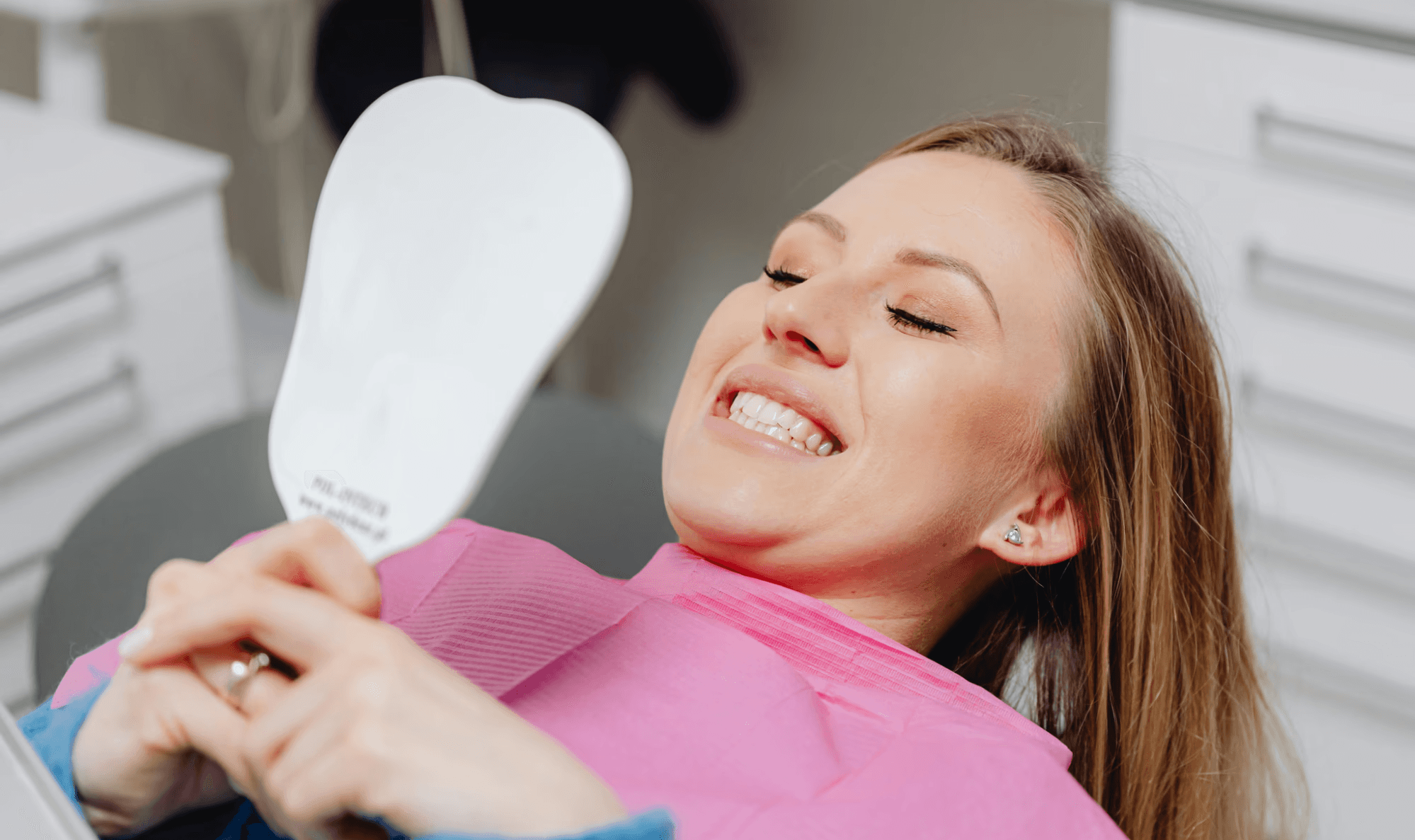
Keeping your results consistent requires regular care, especially in the weeks leading up to your wedding. Maintaining good oral hygiene, including daily brushing and flossing, helps protect the improvements you have made. Limiting staining foods and drinks also supports a more even and lasting result.
Routine dental checkups and any recommended follow-up care, such as wearing retainers after alignment treatment, help ensure that your smile remains stable. These small but consistent habits play an important role in preserving your results over time.
When to Start Your Dental Treatment
Timing plays a critical role in achieving a well-integrated result. Planning ahead allows for proper sequencing and refinement, especially when multiple procedures are involved.
A consultation is recommended if you are planning improvements within a defined timeline, particularly for an upcoming event. Early evaluation helps clarify what is achievable and which treatments should be prioritized.
You may benefit from an assessment if:
Your wedding is within the next 2 to 12 months
You notice alignment concerns, discoloration, or uneven tooth shape
You are considering combining multiple procedures
You want a clear understanding of achievable results within your timeframe
Early evaluation defines what can be achieved and how treatments should be sequenced effectively.
Planning Your Wedding Smile Effectively
Improving your smile before your wedding does not require major changes. In many cases, small and well-timed adjustments create results that look natural and consistent.
Choosing the right combination of treatments at the appropriate stage helps ensure your outcome aligns with both your schedule and long-term oral health.
A professional assessment helps you understand your options and how each step contributes to a stable and predictable result.
Frequently Asked Questions
Will my dental treatment look natural in wedding photos?
When properly planned, cosmetic treatments are designed to enhance natural features rather than create noticeable changes. The result is intended to look consistent both in person and in photographs.
Can I whiten my teeth if I already have veneers or bonding?
Whitening treatments do not change the color of veneers or bonding materials. For this reason, whitening is usually completed first so that any restorations can be matched to the desired shade.
What should I avoid before my wedding to maintain my results?
Avoid habits that may affect the appearance of your teeth, such as smoking or frequent consumption of staining drinks. Maintaining good oral hygiene and following professional advice helps preserve your results.
What happens if I delay my treatment too close to the wedding?
Starting too close to your wedding may limit your options, especially for treatments that require time or multiple visits. In these cases, you may need to focus on quicker procedures such as whitening or minor bonding.
How long will the results of my dental treatment last?
The longevity of your results depends on the type of treatment and how well you maintain your oral health. Some treatments, such as whitening, may require occasional touch-ups, while others like veneers or bonding can last for several years with proper care.

Written by
Dr. Feda Nazzal
General Dentist
Dr. Feda Nazzal holds a Doctorate of Dental Surgery (DDS) and has experience as a clinical instructor and supervisor at Ajman University Clinic. Her areas of expertise include cosmetic dentistry, Invisalign treatment, Digital Smile Design (DSD), and dental photography. With additional training in laser dentistry and aesthetic dental procedures, she has a particular interest in veneers, smile makeovers, and smile enhancement treatments. She has also contributed to the field through published dental research.


