Impact on your health
Obstructive sleep apnea
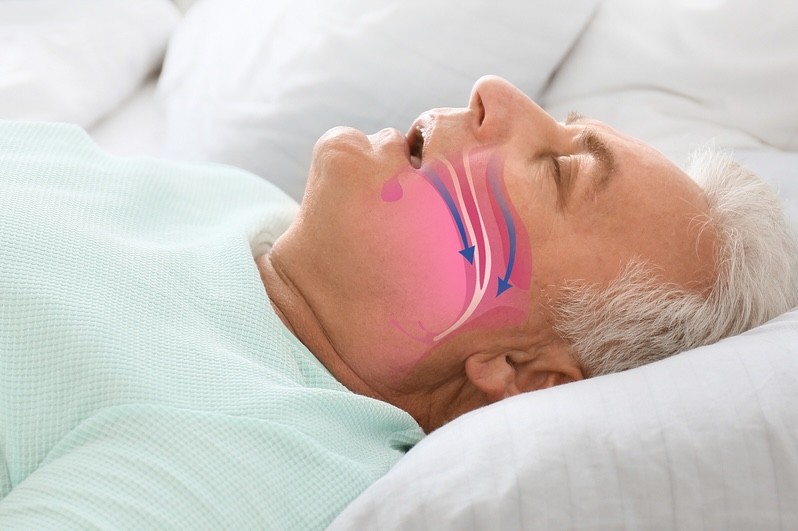
During sleep, the airway can become partially or fully blocked, preventing sufficient airflow to the lungs and brain. This typically occurs when soft tissues in the mouth and throat, such as the tongue, tonsils, or soft palate, collapse and obstruct breathing.
Interrupted oxygen flow can raise blood pressure, increase inflammation, and strain the heart. While it may seem harmless, untreated sleep issues can lead to serious health problems.
Symptoms of Sleep Apnea
Depending on the type and severity of your sleep disorder, here are common warning signs you might notice:
Loud, ongoing snoring
Pauses in breathing during sleep
Gasping or choking episodes
Restless sleep with frequent waking
Morning headaches or dry mouth
Daytime sleepiness or fatigue
Recognizing early symptoms helps you seek treatment before complications develop.
Advanced Solutions for Your Sleep
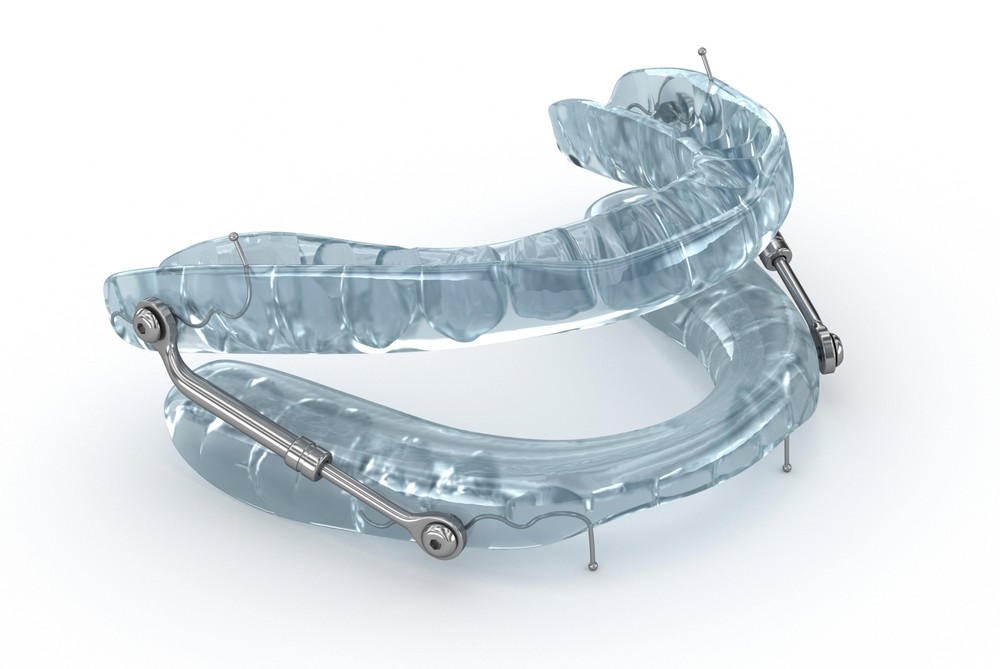
Sleep apnea treatment devices gently reposition the jaw to keep the airways open during sleep. This method is effective for mild to moderate conditions and provides a comfortable, non-invasive alternative to CPAP machines.
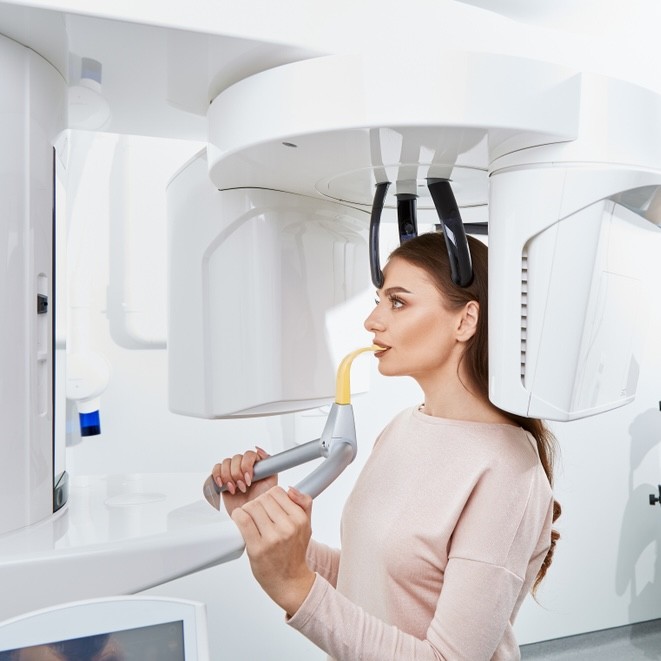
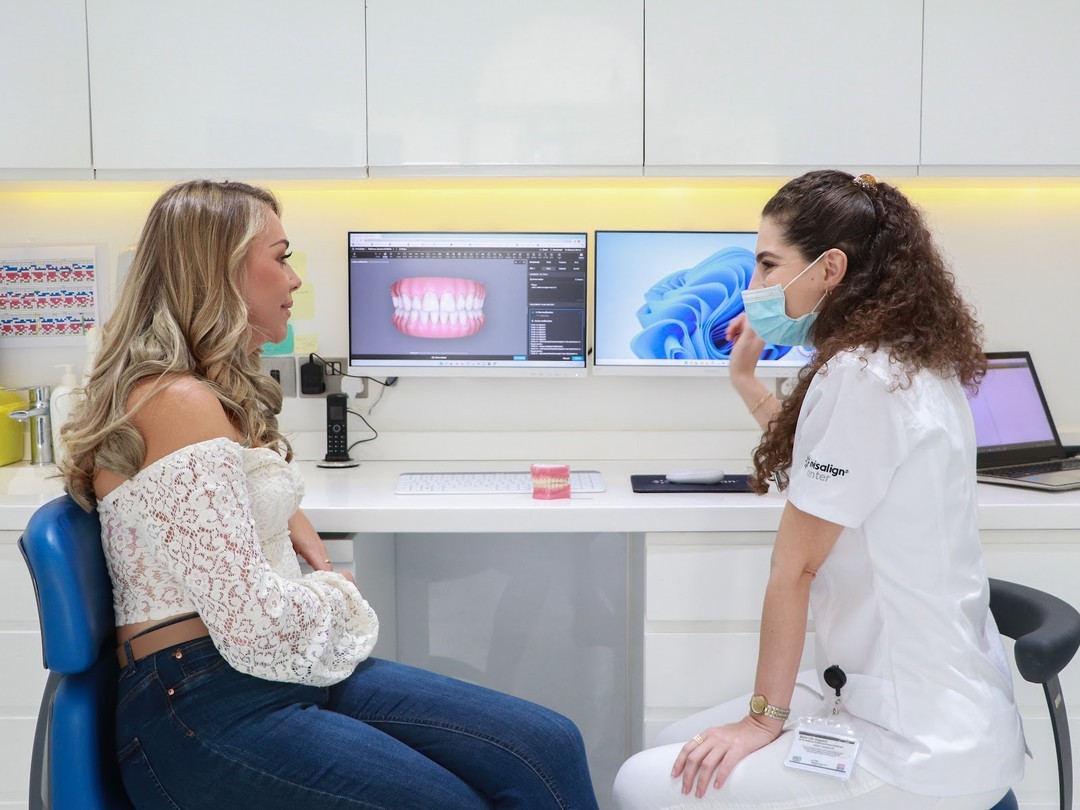
Digital scans for precise fitting
Custom-made by certified specialists
Suitable for adults and older teens
Easy to use and maintain
Breathe Easier, Sleep Better
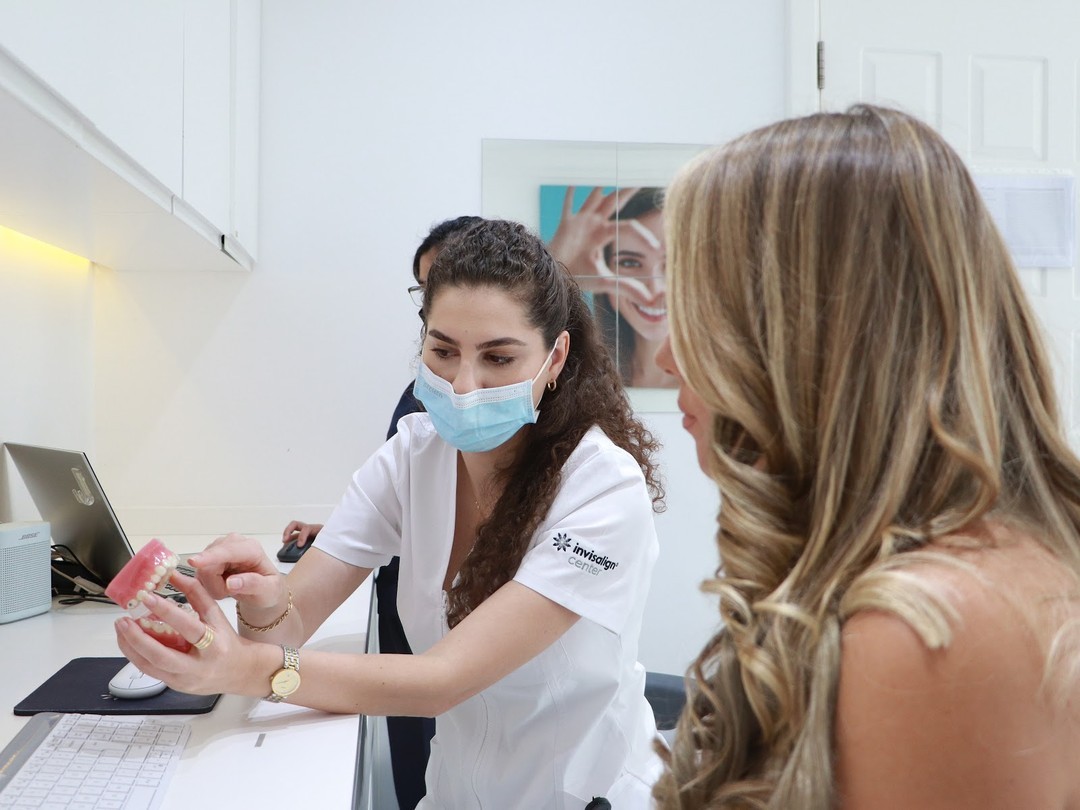
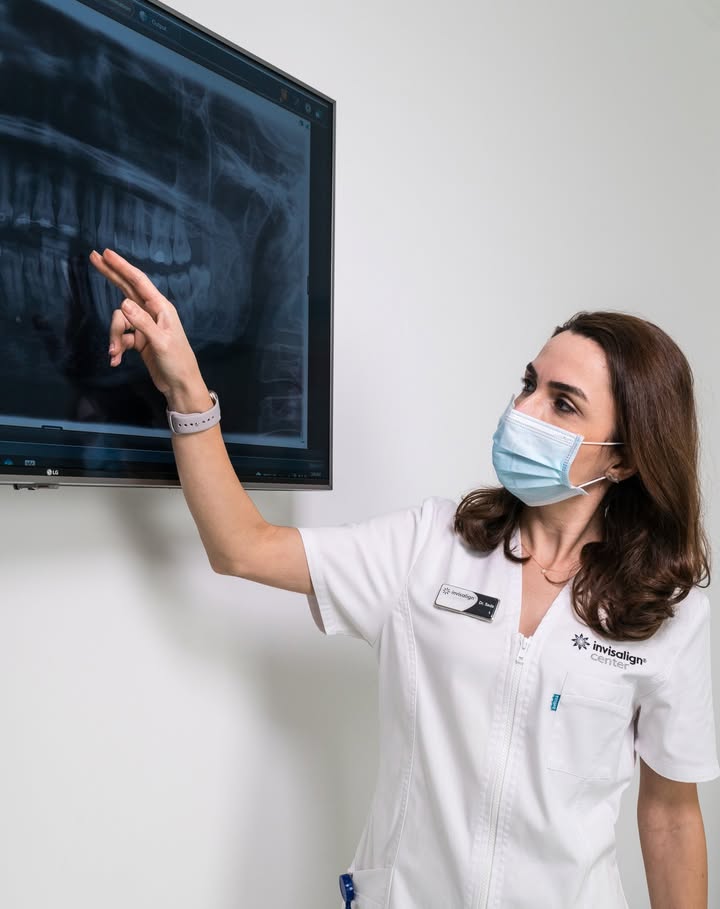
As every case is unique, our clinic uses advanced diagnostics and a supportive, patient-focused approach. With state-of-the-art technology, we assess sleep patterns, airway structure, and individual risk factors to create a treatment plan tailored to your needs.
Our team works closely with you to provide personalized lifestyle guidance, helping you develop healthier sleep habits and supporting your overall well-being. We make sure patients adapt easily to treatment while improving sleep quality.
Most people begin to feel improvements within 2 to 4 weeks of using their oral appliance. While consistent use helps you notice results sooner, the exact timeline depends on your condition and the severity of your sleep apnea.
Some people may experience mild effects, such as dry mouth, tooth sensitivity, or slight jaw stiffness, when they first start using the device. These usually settle as you adjust to wearing it. We can make adjustments that improve comfort and reduce any irritation.
A custom oral appliance generally lasts two to five years with proper care. Its lifespan can vary depending on daily wear and maintenance. Regular check-ups help keep the device in good condition and allow us to advise when a replacement is needed.
Yes, an oral appliance can help reduce snoring even if you do not have sleep apnea. It gently lowers vibration and noise during sleep. Many people notice quieter, more comfortable nights after consistent use.
Rinse your device with lukewarm water after each use and brush it gently with a soft toothbrush to remove buildup. Use a non-abrasive cleaner a few times a week to keep it fresh. Store it in a ventilated case and avoid hot water to prevent warping.
Testimonials

4.8 Rating from 762 reviews
Book a Consultation