Key Takeaways
Jaw pain often develops from a combination of joint, muscular, and dental factors. Understanding the cause is essential to choosing the right approach and avoiding recurring discomfort.
Jaw pain is commonly linked to TMJ disorders, teeth grinding, dental conditions, or muscle tension, and often develops gradually rather than suddenly.
Initial relief focuses on reducing strain and managing symptoms, but persistent or recurring pain requires identifying the underlying cause.
Long-term improvement depends on targeted treatment, which may include habit changes, therapy, or corrective solutions based on individual factors.
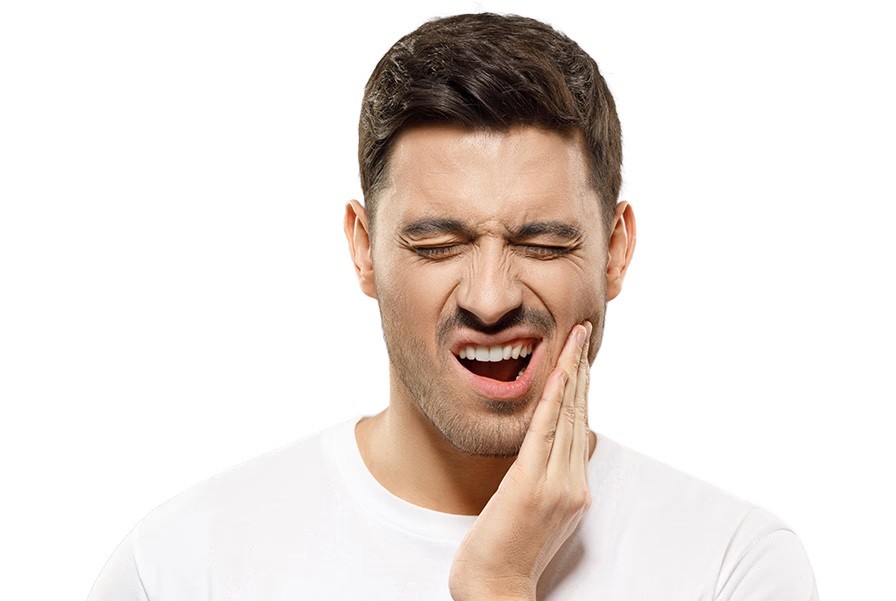
If you have been waking with an aching jaw, noticing discomfort when you chew, or feeling tension radiating toward your ear or neck, these may indicate that your jaw is under strain. Jaw pain often develops gradually and can involve several contributing factors.
Identifying what is behind your symptoms is the first step. This guide explains what jaw pain feels like, what causes it, how it can be relieved, and when a professional assessment is appropriate.
What Is Jaw Pain and What Does It Feel Like?
Jaw pain can present in different ways, which is why it is often difficult to identify the cause without a clinical assessment. It may develop gradually over time or appear more suddenly following stress, strain, or dental procedures.
Common sensations include:
Difficulty opening or closing the mouth fully, particularly in the morning
A dull ache or throbbing pain around the jaw, temple, or lower face
Discomfort that worsens when eating, yawning, or speaking
A clicking sensation during movement or a temporary restriction in jaw motion
Pain that extends to the ear, cheek, neck, or shoulder, sometimes mistaken for other conditions
It is also important to note whether the pain affects one side or both. Pain on one side is more often linked to a localised issue, such as a dental condition, temporomandibular joint disorder, or nerve involvement. Pain on both sides is more commonly associated with habits such as teeth grinding or general muscle tension. This distinction can help guide further assessment.
Common Causes of Jaw Pain
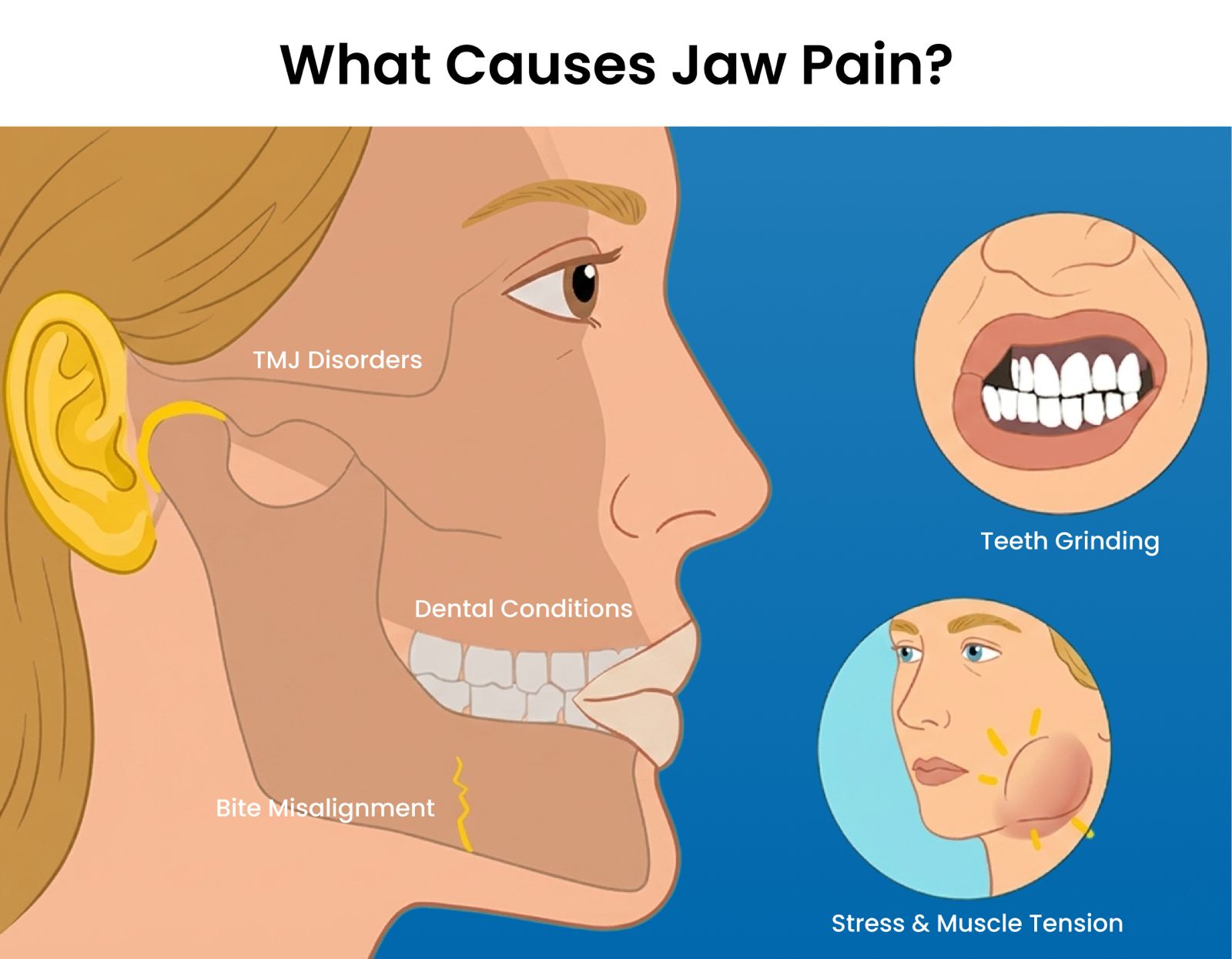
Jaw pain rarely has a single cause. In most cases, it develops from an underlying condition that builds over time.
Temporomandibular Joint (TMJ) Disorders
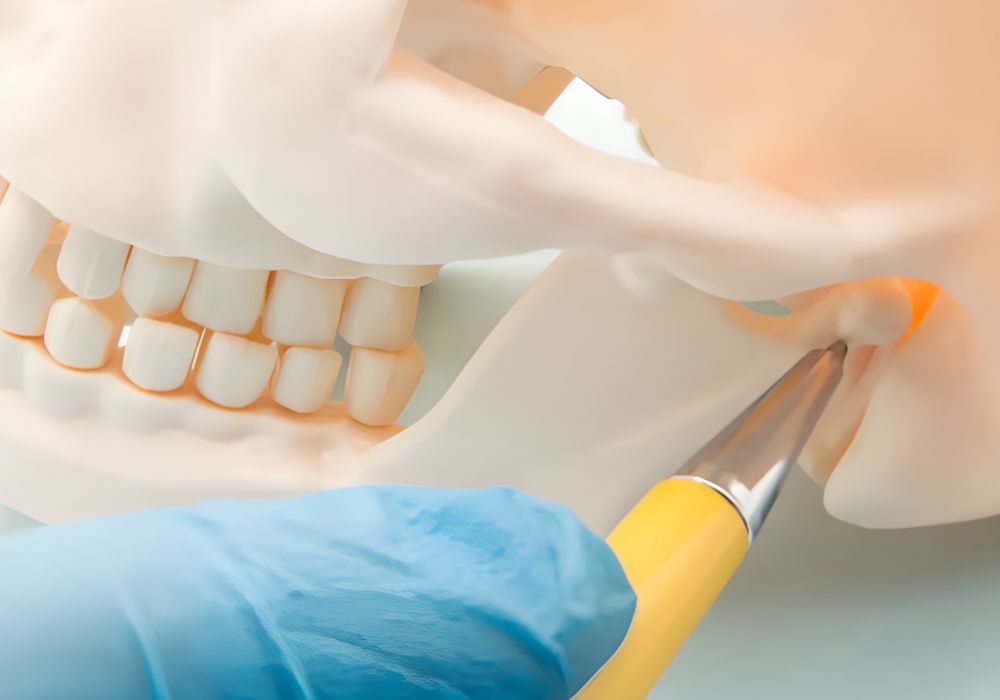
Jaw discomfort linked to movement, clicking, or restricted opening is often associated with issues affecting the joint that connects the lower jaw to the skull, known as the temporomandibular joint. When this joint becomes inflamed, misaligned, or strained, it can lead to a group of conditions referred to as temporomandibular disorders (TMD).
TMD is one of the most common causes of jaw pain. Symptoms range from mild clicking to limited movement. Contributing factors include bite misalignment, joint inflammation, and displacement of the joint disc.
Teeth Grinding and Clenching (Bruxism)
Jaw soreness that is more noticeable in the morning is often linked to involuntary grinding or clenching during sleep, a condition known as bruxism. Because it occurs without awareness, it can continue over time before being identified.
The repeated pressure placed on the jaw muscles and joint can lead to fatigue, discomfort, and gradual tooth wear. Early signs include waking with jaw stiffness, headaches, or a partner noticing grinding at night.
Dental Conditions
Several dental issues can contribute to jaw pain, including untreated cavities, abscesses, gum disease, and impacted wisdom teeth. Pain from an abscess may spread across the jaw and face, making the source difficult to identify without a clinical assessment.
Bite Misalignment
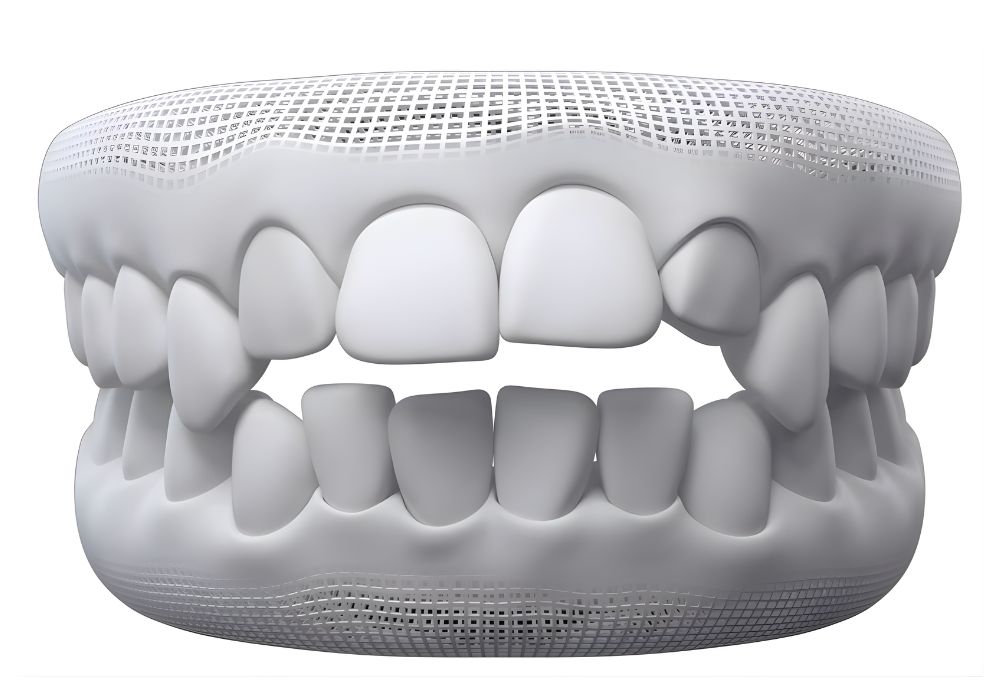
When the upper and lower teeth do not come together correctly, the jaw compensates with uneven movement. Over time, this imbalance places strain on the jaw muscles and joint, leading to fatigue and discomfort.
Stress and Muscle Tension
Stress is a common driver of jaw pain. It often presents as daytime clenching, muscle tension, and increased sensitivity. Managing stress can reduce these symptoms and improve overall jaw function.
Less Common but Important Causes of Jaw Pain
While most cases are linked to common conditions, some less frequent causes carry greater clinical significance and require careful evaluation.
Sinus Infections
Inflammation in the sinus cavities can create pressure that radiates into the upper jaw, sometimes resembling tooth pain.
Arthritis Affecting the Jaw Joint
Degenerative or inflammatory joint conditions can lead to stiffness, tenderness, and gradual structural changes.
Trigeminal Neuralgia
A nerve-related condition that causes sudden, sharp pain along the jaw or face, often triggered by routine actions such as eating or speaking.
Osteomyelitis
A rare bone infection that may affect the jaw, typically presenting with swelling, pain, and systemic symptoms.
Cysts or Abnormal Growths
Uncommon but possible causes of persistent, localised discomfort, usually identified through imaging.
If your symptoms do not align with more common causes, or if they are persistent or unusual, further evaluation may be required to determine the cause.
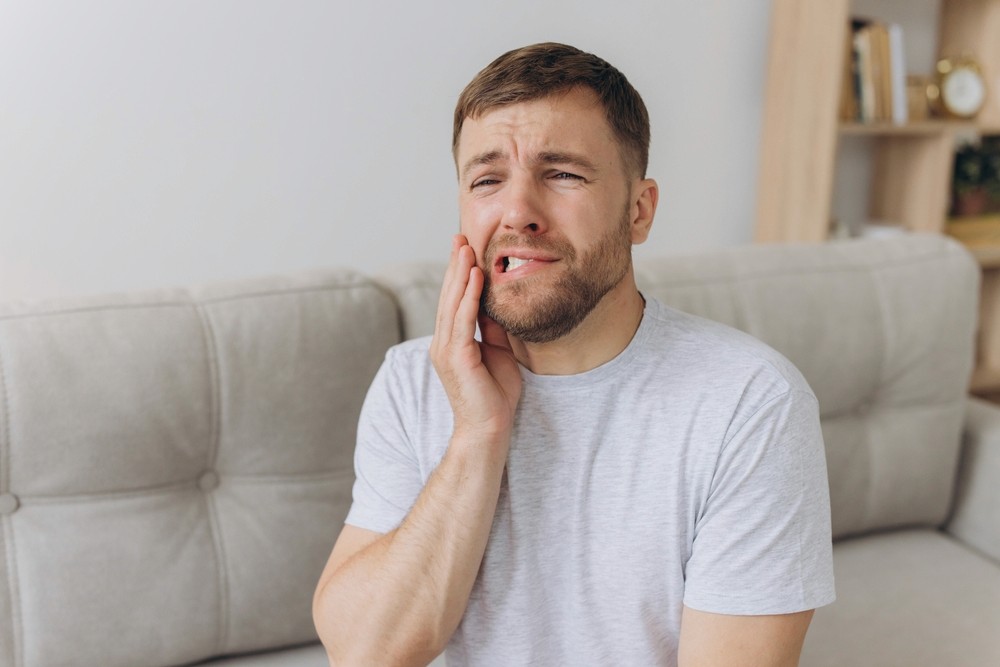
When Jaw Pain May Be a Medical Emergency
In most cases, jaw pain is not an emergency. However, certain symptoms require immediate medical attention.
Pain spreading from the chest or left arm into the jaw, which may indicate a cardiac event
A jaw injury involving a suspected fracture or dislocation following trauma
Severe or rapidly progressing swelling of the jaw or neck, especially with difficulty swallowing or breathing
Complete inability to open or close the mouth
These situations require urgent medical evaluation.
How to Relieve Jaw Pain
Management depends on the underlying cause, but initial steps often focus on reducing strain and controlling symptoms.
Immediate Relief and Muscle Management
For mild or short-term discomfort, initial measures focus on reducing strain on the jaw while addressing muscle overactivity where present.
Resting the jaw: Avoid hard, chewy, or large foods. Limiting wide jaw movements allows the joint and muscles to recover.
Soft diet: Temporarily choosing soft foods such as soups, mashed dishes, or yoghurt reduces pressure on the jaw.
Warm or cold compress: Applying a warm compress can ease muscle tension, while a cold compress may help reduce inflammation or swelling.
Over-the-counter pain relief: Non-prescription anti-inflammatory medication can help manage discomfort. Follow recommended dosage guidelines and seek advice if needed.
Where muscle tension contributes to symptoms, simple exercises and habit awareness can support recovery. Gentle range-of-motion movements, such as controlled opening and side-to-side motion, help maintain mobility, while improving sleep, physical activity, and stress management can reduce recurrence.
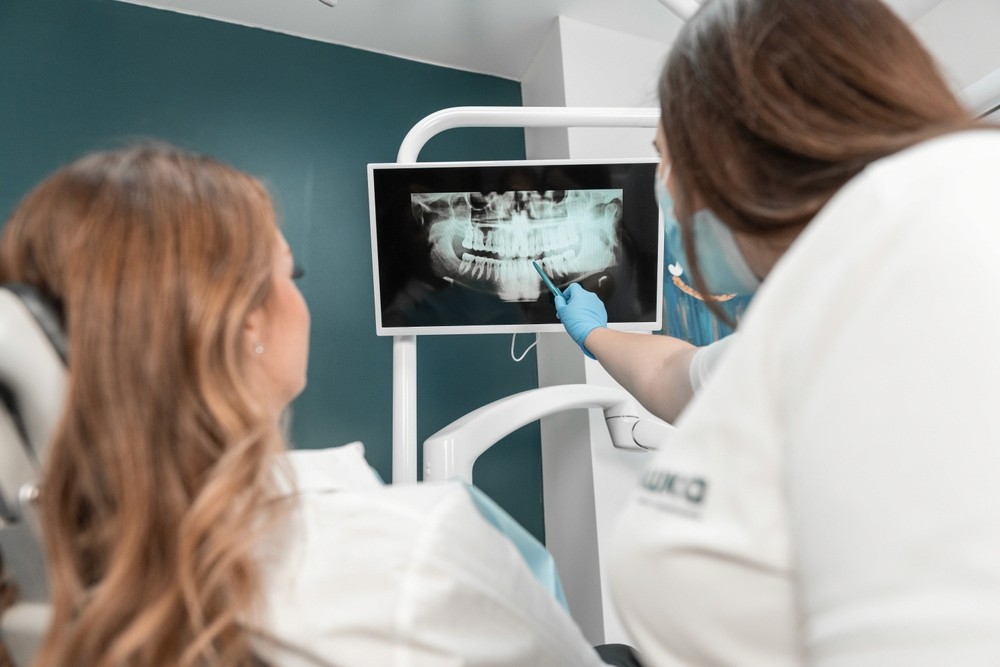
Treatment Options for Jaw Pain
Treatment is guided by the factors involved, with most cases responding well to conservative, non-surgical approaches.
Non-Invasive Treatments
These approaches focus on reducing strain, improving function, and managing symptoms:
Custom night guards: A fitted oral appliance worn during sleep to prevent tooth contact and reduce grinding forces.
Physiotherapy: Targeted exercises and manual therapy to improve jaw mobility, reduce inflammation, and correct muscle imbalance.
Medication: Anti-inflammatory medication or muscle relaxants may be used in specific cases to manage pain or muscle spasm under professional guidance.
Corrective and Long-Term Solutions
When structural factors are involved, treatment focuses on correcting the source of the problem rather than ongoing symptom management.
Orthodontic correction may be recommended where bite misalignment contributes to uneven pressure on the jaw. Clear aligners can improve bite function and reduce long-term strain on the joint.
In more complex cases, a combined approach involving orthodontic care, physiotherapy, and TMJ-focused treatment may be required. Surgical intervention is considered only when significant structural discrepancies cannot be managed through other methods.
Jaw Pain on One Side: What It Means
Pain affecting one side of the jaw can help narrow down the underlying cause. While pain on both sides is more often linked to habits such as grinding or general muscle tension, one-sided pain typically points to a localised issue.
Common causes include:
TMJ disorder on one side: The joint may be inflamed, displaced, or under uneven strain.
Dental issue on that side: Conditions such as cavities, abscesses, cracked teeth, or impacted wisdom teeth can produce focused pain.
Nerve-related causes: Conditions affecting facial nerves may present as sharp, one-sided discomfort.
Asymmetric bite: Uneven contact between teeth can place greater load on one side, leading to fatigue and pain.
Persistent one-sided symptoms are best evaluated through a clinical assessment to identify the cause and guide management.
Jaw Pain Treatment: Timeline and Expectations
The table below provides a general guide to expected timelines across different treatment approaches. Actual duration will vary depending on the cause and severity of your condition.
Approach | Typical Timeline | Primary Purpose | Best Suited For |
Home care (rest, compress, soft diet) | Days | Symptom relief | Mild, short-term discomfort |
Custom night guard | 2 to 4 weeks | Reduce grinding forces | Bruxism, TMJ-related pain |
Physiotherapy | 4 to 8 weeks | Improve mobility and function | Muscle tension, TMD |
Orthodontic treatment | Several months | Correct bite alignment | Malocclusion-related pain |
Specialist TMJ care | Varies by case | Joint-focused management | Complex or persistent TMD |
How to Prevent Jaw Pain
Not all causes of jaw pain can be prevented, but certain habits can reduce the risk of developing or worsening symptoms.
Becoming aware of unconscious clenching during stress or concentration and relaxing the jaw can reduce strain.
Regular exercise, adequate rest, and stress management strategies help reduce muscle tension and grinding.
Regular check-ups help identify and treat dental issues before they contribute to jaw pain.
Using a properly fitted mouthguard during contact sports reduces the risk of trauma.
Avoid chewing hard objects, biting nails, or frequent gum chewing, which place repeated stress on the jaw.

When to See a Specialist
Mild jaw pain often improves with rest and simple home care, but persistent or recurring symptoms may indicate an underlying issue. If discomfort lasts more than a week, returns after temporary relief, affects your ability to chew or speak, or is accompanied by joint sounds or sleep disruption, a clinical assessment helps identify the cause and guide appropriate management.
What to Consider Before Choosing Treatment
Jaw pain can have multiple causes, and the most appropriate treatment depends on what is driving your symptoms. Before deciding on a course of action, consider the following:
Cause-based treatment: A night guard may reduce grinding but will not resolve pain caused by bite misalignment or infection. Accurate diagnosis is essential.
Long-term versus short-term relief: Some approaches provide temporary symptom control, while others address the underlying cause and offer more lasting results.
Lifestyle impact: The right treatment should fit your daily routine and level of commitment. Options such as clear aligners can provide correction with minimal disruption.
Choosing the Right Approach for Jaw Pain
Most jaw pain is manageable when the source is clearly defined. Symptoms linked to bite imbalance, muscle tension, or dental conditions require different approaches, and managing them effectively depends on understanding how these factors interact.
A structured evaluation helps clarify what is contributing to your symptoms and how each factor should be addressed. This allows for a more targeted approach, rather than relying on temporary relief alone.
Frequently Asked Questions
How do I know if my jaw pain is heart related?
Jaw pain linked to a cardiac issue is typically accompanied by other symptoms, such as chest discomfort, pain spreading to the arm, shortness of breath, or dizziness. This type of pain often feels different from localised jaw discomfort and requires immediate medical attention.
What is the 3 finger test for TMJ?
The three-finger test is a simple way to assess jaw opening. If you are unable to comfortably fit three fingers vertically between your upper and lower front teeth, it may indicate restricted movement of the jaw. This limitation is often associated with temporomandibular joint (TMJ) dysfunction, which can contribute to jaw pain, stiffness, or difficulty opening the mouth.
Can anxiety contribute to jaw pain?
Yes. Anxiety can lead to unconscious clenching or tightening of the jaw muscles, particularly during periods of stress or concentration. Over time, this can result in muscle fatigue, soreness, and increased sensitivity.
Is it normal for jaw pain to worsen in the morning?
Jaw pain that is more noticeable in the morning is often linked to teeth grinding or clenching during sleep. This can place prolonged pressure on the jaw muscles and joints overnight.
What is the fastest way to relieve pain at home?
Short-term relief may be achieved by resting the jaw, applying a warm or cold compress, and avoiding hard or chewy foods. These measures help reduce strain but do not address underlying causes.


