Key Takeaways
Teeth grinding often develops without clear awareness and is influenced by a combination of behavioural, structural, and sleep-related factors. Managing it effectively depends on recognising the signs early and addressing the underlying causes.
Teeth grinding is commonly linked to stress, sleep patterns, bite alignment, and lifestyle factors, and often occurs without conscious awareness.
Early symptoms such as jaw tightness, headaches, or tooth sensitivity can indicate ongoing strain and should not be overlooked.
Effective management focuses on both reducing immediate impact and addressing contributing factors through protective and corrective approaches.
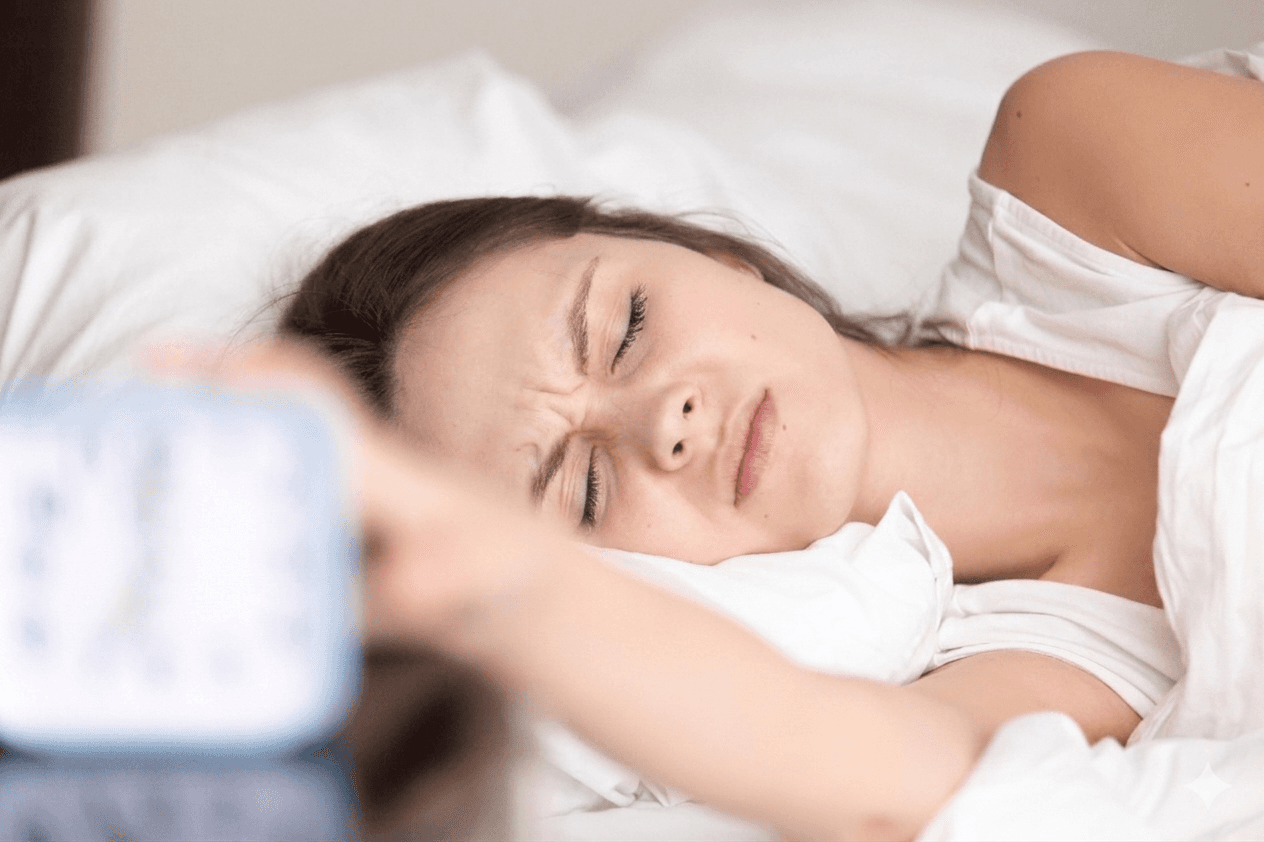
If you wake with a tight jaw, a dull headache that eases as the day progresses, or increased tooth sensitivity after sleep, these may be early signs of teeth grinding. Bruxism often develops without clear awareness, particularly when it occurs during sleep.
The condition can affect both the teeth and the jaw over time. Understanding how it develops and how it presents is the first step in managing it effectively.
What Is Teeth Grinding (Bruxism)?
Teeth grinding refers to the involuntary clenching or grinding of teeth, a condition known as bruxism. It is typically classified based on when it occurs.
Awake bruxism occurs during periods of concentration or stress. Because it happens while you are conscious, it may be noticed and interrupted, although this is not always the case.
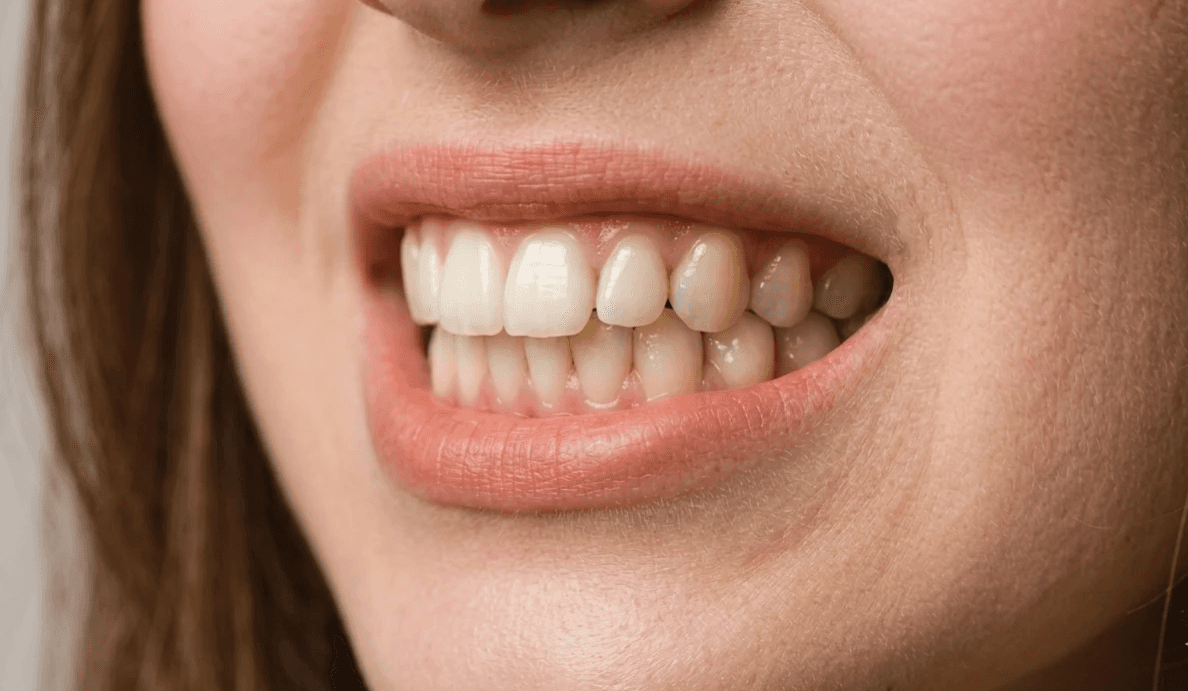
Sleep bruxism occurs during sleep and is considered a sleep-related movement disorder. It is entirely involuntary and more difficult to detect. The jaw muscles contract in repeated episodes throughout the night, often generating forces greater than those used during normal chewing.
What Causes Teeth Grinding and What Increases Your Risk?
There is rarely a single cause. The condition typically develops as a result of multiple contributing factors acting together.
Stress and Emotional Factors
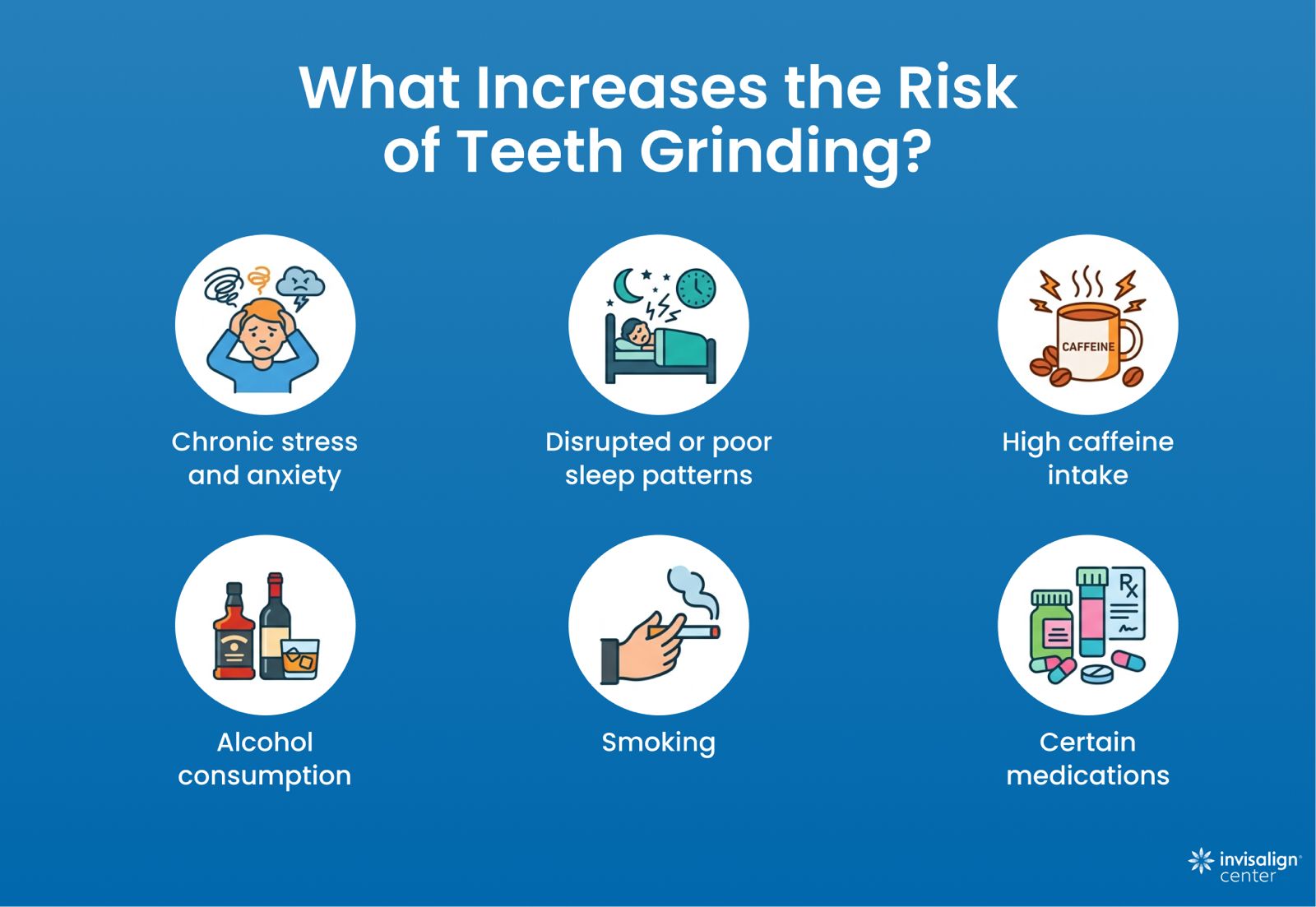
Psychological stress is one of the most widely recognised triggers. Under sustained pressure, tension is often carried in the jaw muscles, leading to clenching during the day and grinding during sleep. Anxiety and prolonged emotional strain are consistently associated with higher incidence, particularly in adults.
Sleep Bruxism and Sleep Cycles
Sleep-related grinding is linked to activity during sleep cycles, particularly during transitions between lighter and deeper stages. Episodes tend to occur in short bursts rather than continuously and are often associated with disrupted sleep patterns.
Bite Misalignment
When the upper and lower teeth do not meet evenly, a condition known as malocclusion, the jaw compensates through subtle, often unconscious movements. Over time, this can develop into habitual grinding. In such cases, correcting the bite may reduce or eliminate the behaviour.
Lifestyle Factors
Higher intake of caffeine, alcohol consumption, and smoking are all associated with increased grinding activity. Caffeine, in particular, can heighten muscle activity and intensify both the frequency and force of episodes, especially when consumed later in the day.
Medical and Risk Factors
Certain medications, including selective serotonin reuptake inhibitors and stimulant-based drugs, list teeth grinding as a potential side effect. Genetic predisposition may also play a role. There is a recognised association with sleep apnea, although the relationship is not always directly causal. While more frequently observed in younger adults, the condition can occur at any age.
What Does Teeth Grinding Feel Like?
Symptoms tend to develop gradually, which is one reason the condition often goes unrecognised. Common experiences include jaw tightness or soreness on waking, headaches centred around the temples, and a general sense of fatigue in the facial muscles. Some individuals notice a dull ache near the ears or occasional ringing, while increased tooth sensitivity, particularly to temperature, is another early indicator.
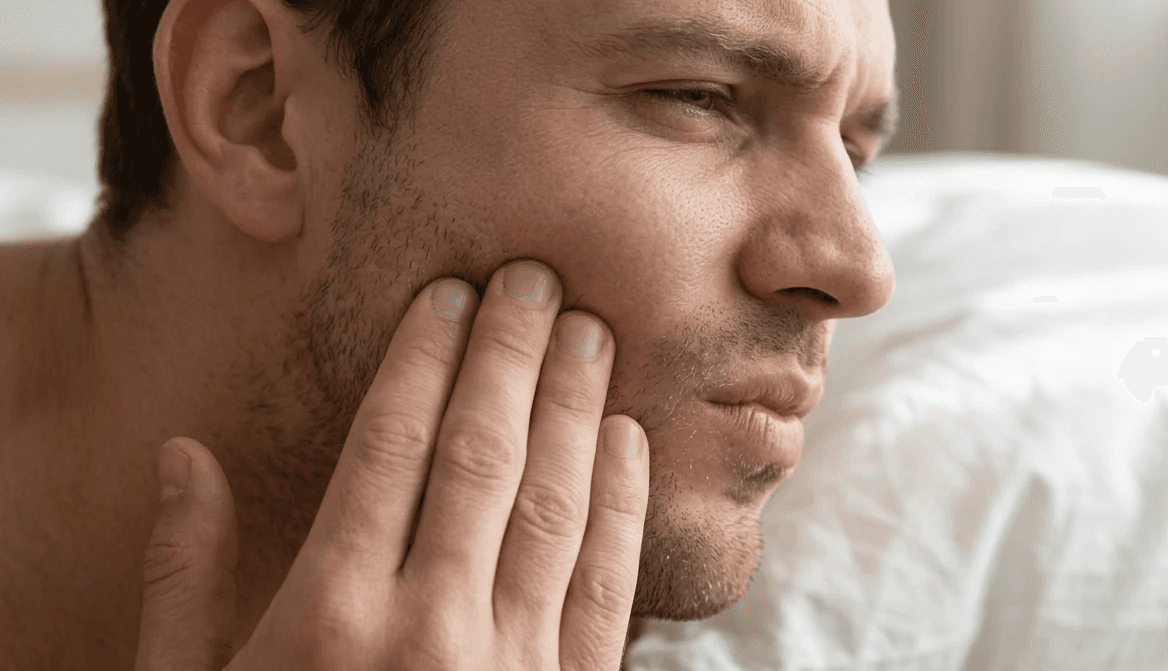
Because these symptoms can overlap with other conditions, the condition is not always immediately identified. A clinical examination is often required to confirm the source.
What Happens If Teeth Grinding Is Left Untreated?
The effects of this pattern develop gradually and tend to worsen over time. This progression is often subtle, which can delay recognition and intervention.
Early Effects
In the initial stages, there may be mild enamel wear on the biting surfaces of the teeth, occasional sensitivity, and intermittent discomfort on waking. These signs are often overlooked.
Moderate Effects
As grinding continues, the impact becomes more pronounced. Teeth may develop small cracks or chips, headaches may become more frequent, and the jaw can feel stiff throughout the day rather than only in the morning.
Advanced Effects
In more advanced cases, prolonged grinding can lead to significant structural damage, including loss of tooth structure and, in severe instances, tooth loss. The temporomandibular joint may develop dysfunction due to sustained strain, and the jaw muscles can become more prominent over time. In some cases, changes in bite alignment may occur as tooth height is gradually reduced.
These effects are preventable when the condition is identified and managed early.

Why Teeth Grinding Happens During Sleep
Teeth grinding during sleep is often more damaging than during the day due to the intensity of muscle activity rather than its duration. During sleep, the normal mechanisms that limit jaw force are reduced, allowing clenching and grinding to occur with greater pressure.
These episodes do not occur continuously. They tend to happen in short bursts, most commonly during lighter stages of sleep or transitions between sleep cycles. This pattern is also associated with sleep disturbances, including fragmented sleep and conditions such as sleep apnea, which may contribute to increased grinding activity.
How Is Teeth Grinding Diagnosed?
Diagnosis typically begins with a dental examination. A dental professional will look for physical signs such as worn enamel on the biting surfaces, small fractures or chips, and tenderness in the jaw muscles or joints. When considered alongside reported symptoms, this is often sufficient to confirm the presence of grinding activity.
In more complex cases, particularly where sleep apnea or other sleep-related conditions are suspected, a sleep study known as polysomnography may be recommended. This records muscle activity during sleep and helps identify the pattern and timing of grinding episodes. It is generally reserved for situations where initial management has not been effective or where an underlying sleep condition requires further assessment.

Approaches to Managing Teeth Grinding
Managing the condition involves reducing strain on the jaw while addressing contributing habits where possible.
Immediate Relief and Behavioural Changes
In the short term, limiting hard or chewy foods can limit strain on the jaw. Minimising gum chewing and maintaining a relaxed jaw position, with the teeth slightly apart and lips closed, can help minimise muscle fatigue.
Where behavioural factors are involved, changes to daily habits can influence the frequency and intensity of grinding. Improving sleep consistency, reducing caffeine intake later in the day, and addressing stress levels may all contribute to better control over time.
When Home Care Is Not Enough
If symptoms persist beyond a short period, if visible changes to the teeth are present, or if discomfort begins to affect daily function, further evaluation may be required. A dental professional can assess the situation and determine the most appropriate next steps.
Treatment Options for Bruxism
Treatment approaches vary depending on the contributing factors and severity. These can be broadly grouped into protective measures and corrective strategies.
Non-Invasive and Protective Approaches
These approaches focus on reducing strain on the jaw and limiting the effects of repeated grinding.
Custom Night Guard
A custom night guard creates a protective barrier between the teeth during sleep. This helps limit the impact of repeated contact and limits further enamel wear.
TMJ and Muscle Therapy
Targeted therapy focuses on improving jaw function by reducing muscle tension and supporting joint movement. This may include guided exercises or manual techniques to support comfort and mobility.
Medication
Medication may be considered in specific cases to manage muscle tension or related symptoms. It is typically used as a short-term measure rather than a long-term solution.
Corrective and Long-Term Approaches
These approaches focus on addressing underlying structural or functional factors that contribute to grinding over time.
Orthodontic or Bite Correction
Where uneven bite alignment contributes to grinding, corrective treatment may help redistribute pressure more evenly across the teeth. Over time, this can reduce compensatory jaw activity.
Mandibular Repositioning Device
This type of appliance adjusts the position of the jaw during sleep. It may be considered in cases where sleep-related factors contribute to grinding activity.
Botulinum Toxin (Botox) Injections
Botulinum toxin may be used to reduce the strength of the jaw muscles involved in clenching. This can help decrease the intensity of grinding episodes in more persistent cases.
Treatment Timeline and Expectations
The table below provides a general comparison of common approaches, including expected timelines and outcomes.
Treatment | Timeline | Purpose | Expected Outcome |
Custom night guard | Immediate protection | Barrier between teeth | Helps limit further damage and reduce symptoms |
Orthodontic or bite correction | 6 to 18 months | Addresses alignment | Reduces uneven pressure over time |
4 to 8 weeks | Relieves muscle and joint tension | Supports comfort and jaw function | |
Botulinum toxin (Botox) injections | 3 to 6 months | Reduces muscle activity | Decreases intensity of grinding |
Medication | Short-term use | Manages muscle tension or symptoms | Provides temporary relief |
Mandibular repositioning device | Varies by case | Adjusts jaw position during sleep | May reduce sleep-related grinding |
Can Teeth Grinding Be Cured?
In some cases, addressing a specific contributing factor, such as bite imbalance, underlying sleep conditions, or sustained stress, may lead to a significant reduction or complete resolution of the condition. However, where multiple factors are involved, it is more often managed than fully eliminated.
The focus of treatment is on controlling the behaviour, limiting further damage, and improving overall comfort and function over time.
When to See a Specialist
Mild symptoms may improve with simple measures, but certain signs indicate the need for further evaluation.
Jaw tightness or headaches lasting more than one week
Visible changes such as chipping, cracking, or flattening of the teeth
Ear discomfort without a clear cause
Sleep disruption linked to jaw activity
Early assessment helps prevent progression and supports more straightforward management.
Choosing the Right Approach to Teeth Grinding
Teeth grinding is manageable when the contributing factors are clearly understood. Whether related to bite alignment, muscle tension, or sleep patterns, effective management depends on addressing these elements in a structured way.
A considered evaluation helps determine how the condition is developing and which approaches are most appropriate for long-term control.
Frequently Asked Questions
What is the 3-finger test for jaw movement?
The three-finger test is a simple way to assess how well your jaw opens. If you are unable to comfortably fit three fingers vertically between your upper and lower front teeth, it may indicate restricted movement. This can be associated with temporomandibular joint issues, which are a common source of jaw pain and teeth grinding.
Can it affect the shape of my face?
In long-term cases, repeated overuse of the jaw muscles from teeth grinding may lead to increased muscle bulk, which can subtly alter facial appearance over time.
Is teeth grinding linked to sleep disorders?
Teeth grinding can be associated with sleep-related conditions, including disrupted sleep patterns and sleep apnea. Addressing an underlying sleep issue may help reduce grinding activity.
Can children experience it?
Yes. Teeth grinding can occur in children, particularly during periods of growth or dental development. In many cases, it resolves naturally, but persistent symptoms may require evaluation.
Does alcohol make teeth grinding worse?
Alcohol can disrupt normal sleep patterns and increase the likelihood of grinding episodes during the night, particularly with frequent or late consumption.


