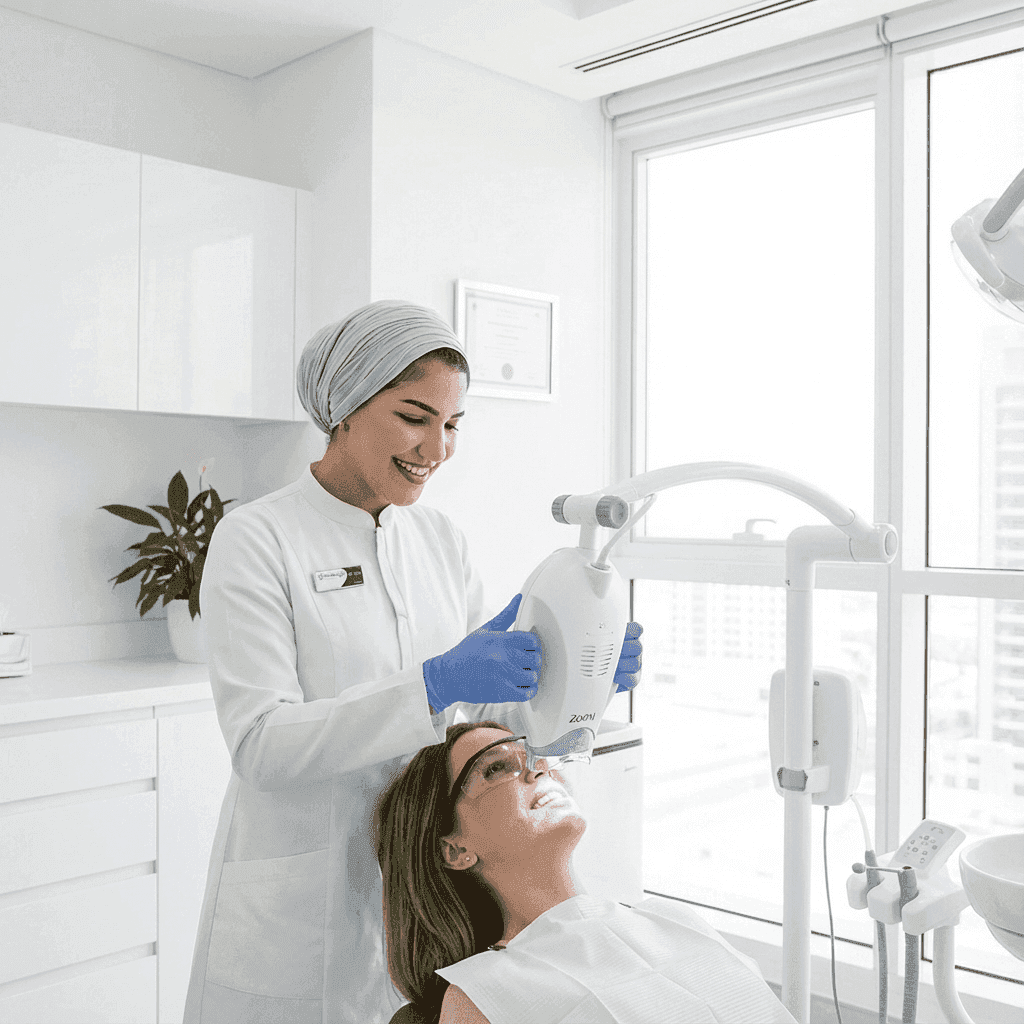

Complete Protection for Damaged Teeth
What is a dental crown
A custom cap fits over a damaged or weakened tooth down to the gumline. It restores original shape, biting power, and chewing ability while shielding the natural structure beneath from cracking or decay. This treatment is often recommended after severe cavities, large fillings, cracks, or deep nerve care.
Crowns are crafted from high-grade porcelain or ceramic materials to match the exact shade and translucency of surrounding enamel. Beyond single-tooth restoration, they are also used to anchor dental bridges or complete dental implants when replacing missing teeth.
Signs You May Need a Dental Crown
Full-coverage restorations are recommended when a standard filling can no longer protect a compromised tooth. Recognizing these early warning signs helps prevent further damage and avoids total tooth loss.
You may benefit from dental crowns if you experience:
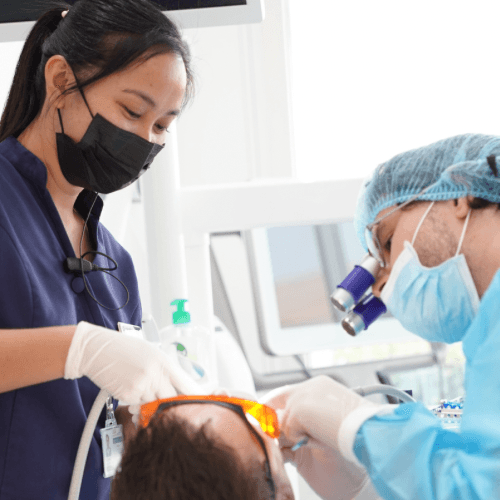
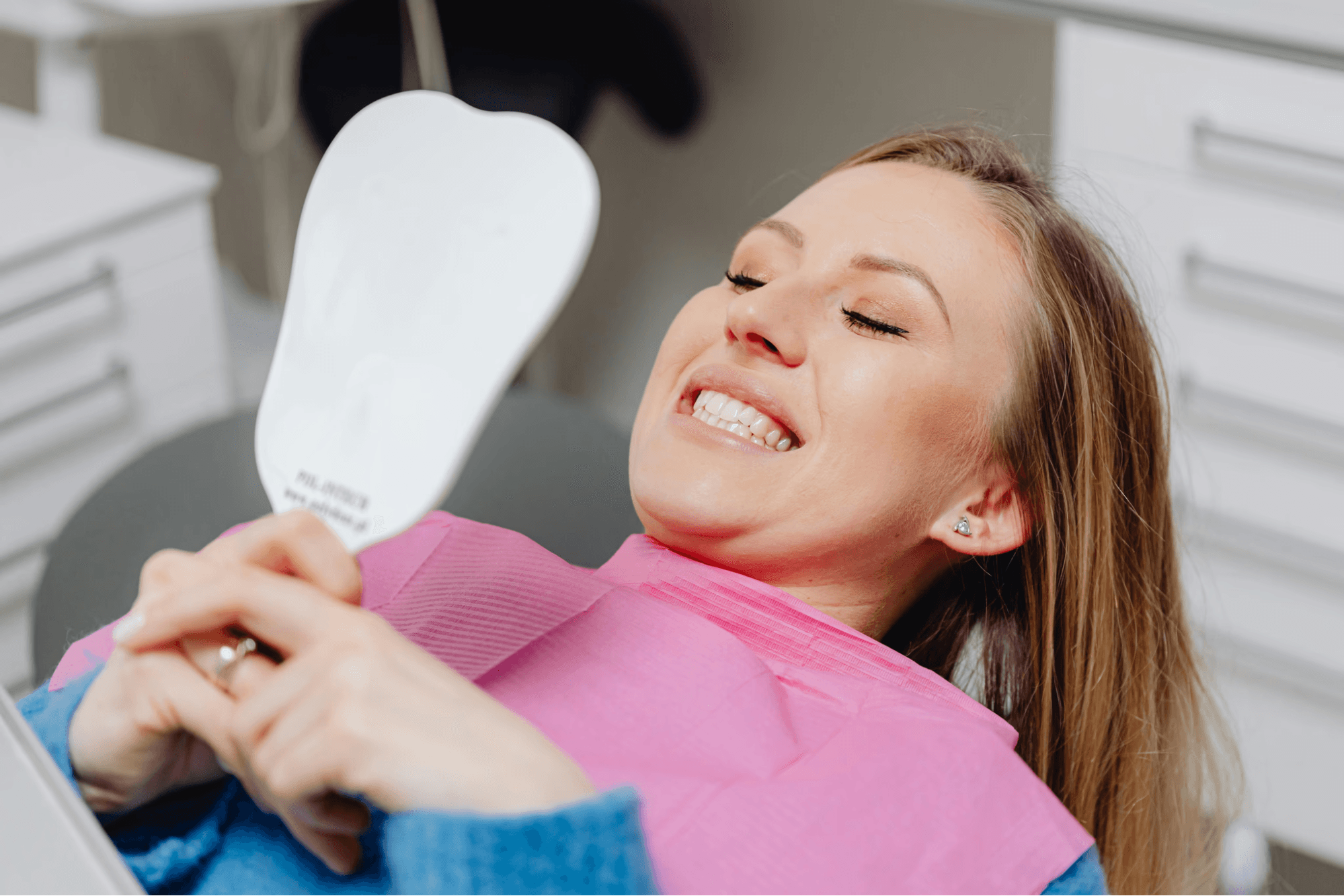
Long-Term Oral Health
Benefits of dental crowns
These specialized shells rebuild both the function and appearance of a compromised tooth while preventing future dental complications.
Enhanced Appearance: Matches the surrounding teeth in shade, shape, and light reflection.
Full Functional Recovery: Restores normal biting force and chewing comfort without sensitivity.
Structural Reinforcement: Shields vulnerable areas from cracking, fractures, and deep decay.
Lasting Durability: High-grade materials withstand daily wear for reliable, ongoing protection.
Preservation of Natural Structure: Protects existing enamel to prevent the need for extractions.
Expert Care and Tailored Results
Highly Skilled Expertise
Our dental team brings decades of combined experience in restorative and cosmetic dentistry. Each specialist applies advanced training and careful attention to detail to design crowns that fit comfortably and function naturally.
Premium Crown Materials
Top-grade porcelain and ceramic blends offer strong protection and complete gum compatibility. These quality options resist daily wear while matching the exact color tone of surrounding teeth.
Two-Appointment Efficiency
Your complete dental crown care plan takes only two simple visits. This streamlined scheduling saves you time while keeping every step precise, predictable, and aligned with high clinical standards. .
Patient-Centered Comfort
Our clinic provides a calm, welcoming atmosphere designed to put you at ease from the moment you arrive. Gentle hands-on care and targeted numbing keep every part of your visit pain-free, helping you feel fully relaxed.
3D Digital Accuracy
Advanced optical scanners take fast, mess-free digital pictures of your mouth. This modern technology replaces messy putty molds, capturing exact tooth dimensions to ensure your new piece fits correctly.
Cost-effective Solution
Clear upfront pricing ensures you know exact dental crown expenses during your first consultation. Every transparent estimate shows all fees in advance, so there are never any unexpected charges or hidden costs.
Real Smile Transformations
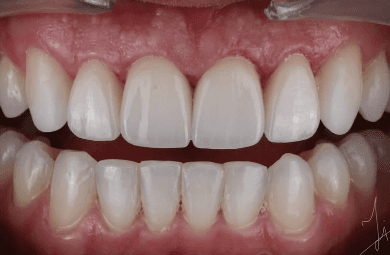
See how our custom solutions restore strength, function, and a natural smile.
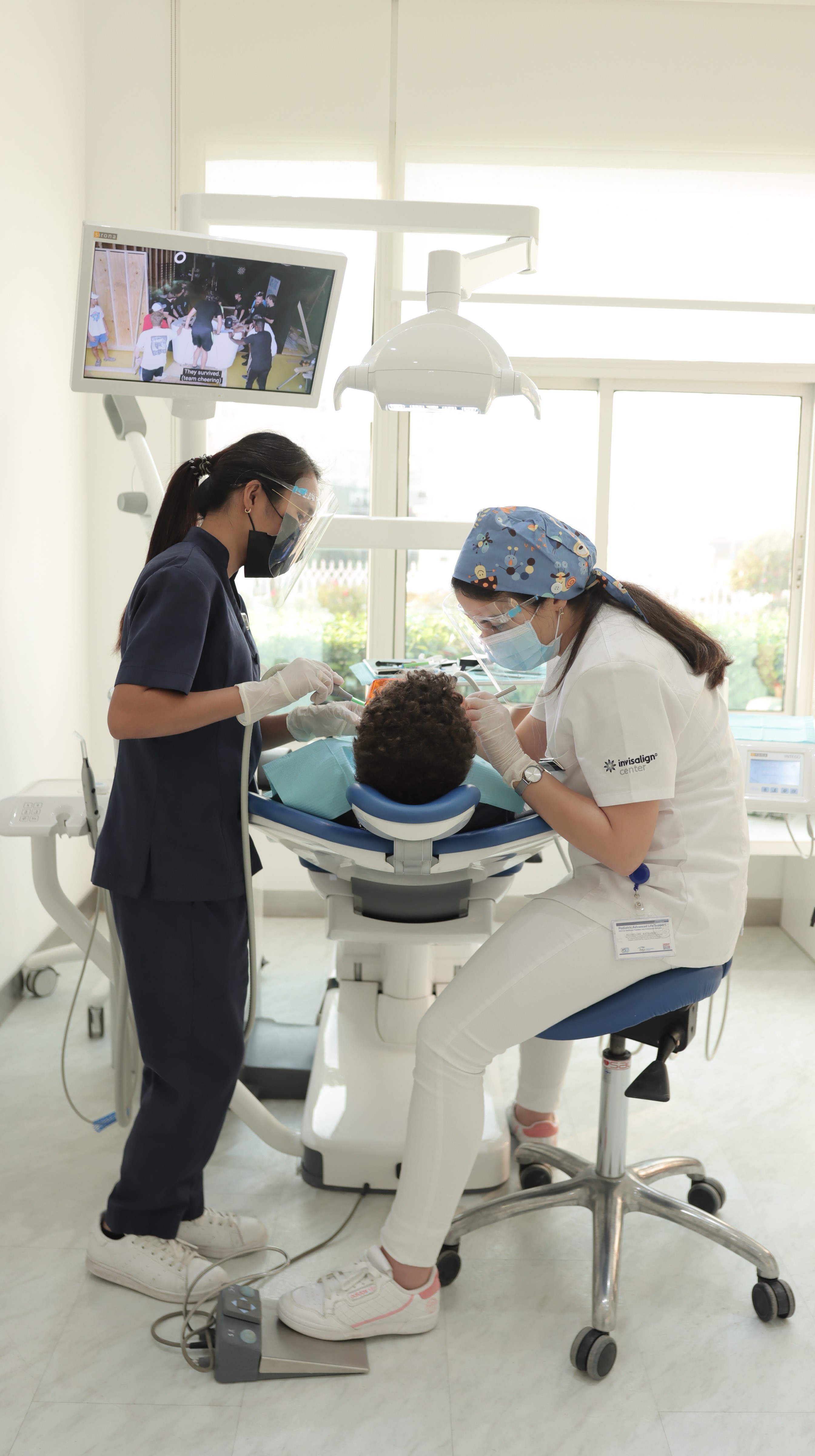
Restorative Care Team


With proper care, a dental crown can last 10 to 15 years or longer. Longevity depends on your oral hygiene, bite habits, and regular dental check-ups. Our specialists use durable, high-quality materials to maximize lifespan.
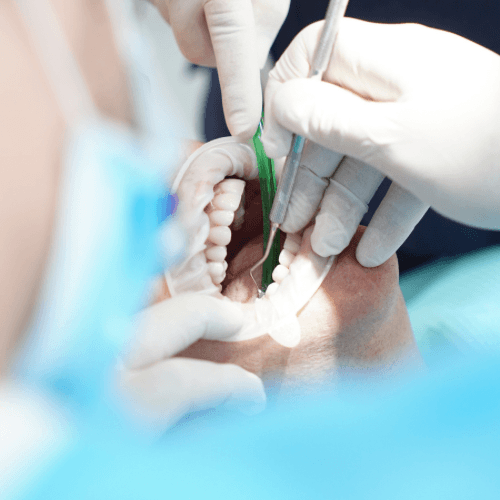
Your treatment includes a personalized consultation, digital impressions, custom crown design, and professional placement. All procedures are performed using modern, clinically proven technology, ensuring natural-looking and functional results.
Most patients experience minimal discomfort, as the procedure is performed under gentle local anesthesia. Any sensitivity after placement is usually temporary and can be managed with simple care instructions.
If your temporary cover comes off, carefully retrieve and rinse it with lukewarm water, then call our clinic right away so we can schedule a quick visit to re-cement or replace it. In the meantime, keep the exposed tooth clean through gentle brushing, avoid chewing on that side, and steer clear of hot, cold, or hard foods to prevent sensitivity or damage. If the area feels sensitive and you cannot see us immediately, you can temporarily seat the piece back over your tooth using a small dab of over-the-counter pharmacy cement or denture adhesive as a short-term shield, but never use household glues. Getting it professionally re-secured within a day or two is important to keep your natural gums and neighboring teeth from shifting before your final fitting.
This is a sample answer.
You can return to eating solid foods as soon as any local numbing wears off, which prevents you from accidentally biting your cheek or tongue. Modern bonding cements harden almost instantly in the clinic, so your new dental crown is securely set by the time you leave. However, it is best to avoid exceptionally hard or sticky foods for the first 24 hours to let the surrounding tissue settle and allow the fresh adhesive to reach its maximum strength without undue stress.
Yes, you can still receive a dental crown if you suffer from bruxism, as modern high-strength ceramics are engineered to withstand heavy grinding forces. To protect your new dental crown and prevent wear on adjacent teeth, your dentist will typically fit you with a custom nightguard to wear while sleeping, absorbing the pressure and keeping the adhesive bond secure.
An existing crown should be removed and replaced if a dental exam reveals underlying decay beneath the margins, recurring pain, or persistent gum inflammation that indicates bacterial leakage. Replacement is also necessary if the original crown is cracked, chipped, worn down, loose, or no longer fits properly against neighboring teeth due to natural shifts or gum recession.
There is no strict upper age limit for receiving a permanent crown, as healthy adult teeth can be supported and protected by a restoration at any stage of life. However, there is a lower age limit, as permanent crowns are generally delayed in children and teenagers until their jawbones and permanent teeth have finished growing and developing, which typically occurs around late adolescence. For younger patients with developing teeth, temporary or interim solutions are used instead until full skeletal maturity is reached.
Book a Consultation