
An unpleasant mouth odor can signal more than a minor inconvenience. When it becomes persistent, it may indicate a condition known as halitosis. Unlike temporary smells caused by certain foods or morning dryness, chronic halitosis does not resolve with a quick brush or mouthwash. It often points to an underlying oral health concern that requires proper evaluation.
When you understand what causes halitosis, you can take meaningful steps to correct it. In this guide, you will learn the most common bad breath causes, how halitosis develops, and the treatment options that help you achieve long-term oral health and lasting breath freshness.
What Is Halitosis
Persistent breath odor that does not improve with brushing or mouthwash often indicates a deeper concern. Unlike temporary smells caused by certain foods, morning dryness, or dehydration, this condition does not resolve quickly. It tends to return consistently and may signal an underlying oral or systemic issue.
You may not notice the issue yourself because your brain adapts to familiar smells over time. If someone has mentioned ongoing odor, or if you suspect a problem despite maintaining good oral hygiene, you should not ignore it. Recurring odor often points to bacterial buildup along the tongue, between teeth, or below the gumline.
Research shows that approximately 80 to 90 percent of cases originate in the mouth rather than the stomach or lungs. This means that identifying and treating the source inside your mouth often leads to measurable and lasting improvement.

What Causes Bad Breath
Understanding the source of bad breath helps you address it effectively. While many factors can contribute, most persistent halitosis originates in the mouth.
Bacteria on the Tongue
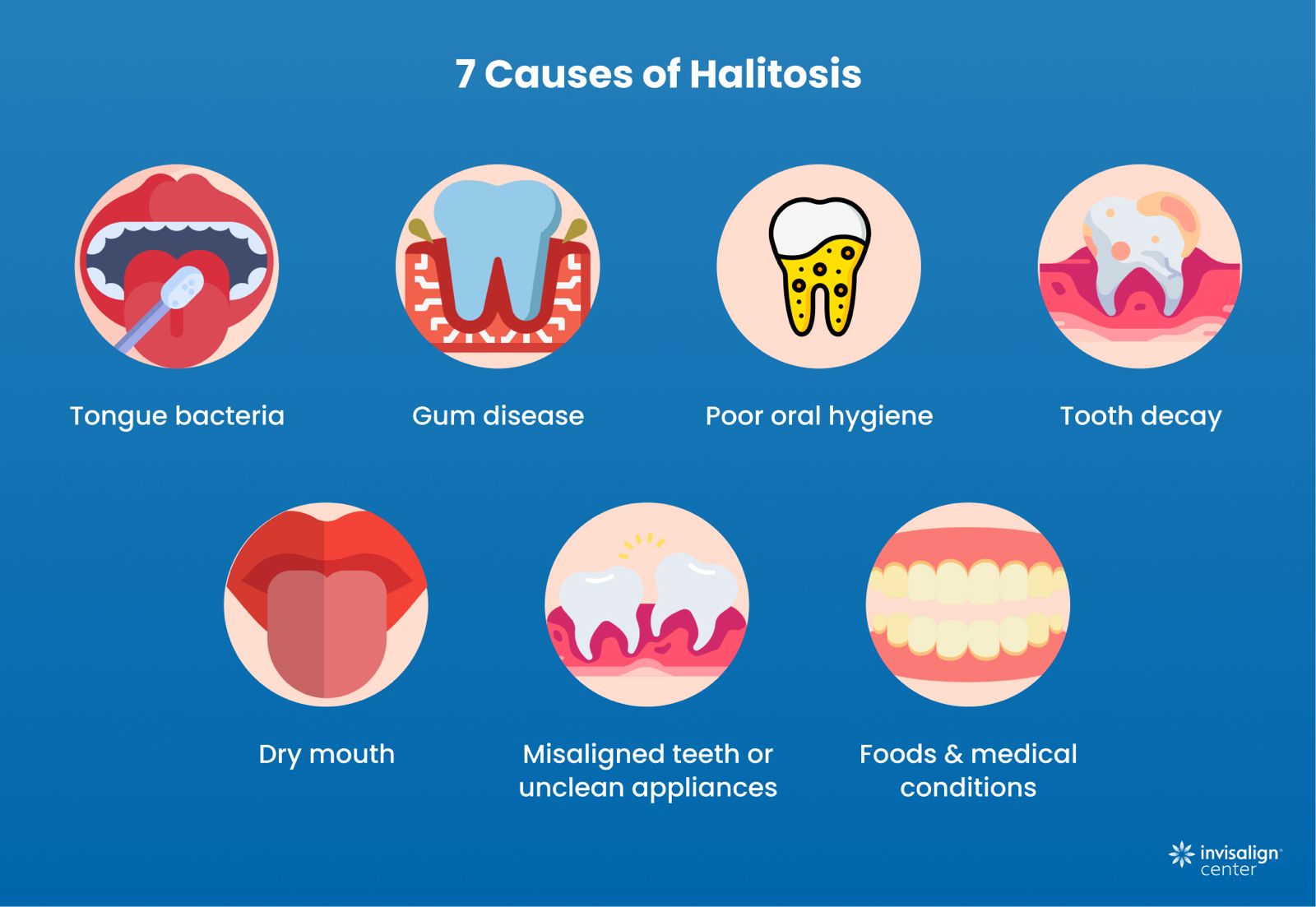
The back of your tongue provides a natural habitat for anaerobic bacteria. These bacteria break down proteins and release sulfur compounds, which cause unpleasant odor. Brushing alone often leaves this coating behind. Cleaning or scraping your tongue each morning effectively reduces bacteria and targets odor at its source.
Gum Disease
Gingivitis and periodontitis create pockets between your teeth and gums where bacteria thrive. Persistent bad breath is often one of the first signs of gum disease. Professional care, including deep cleaning and scaling, removes bacteria directly from these pockets rather than simply masking the odor.
Poor Oral Hygiene and Tooth Decay
When food particles and plaque remain on your teeth, bacteria break them down and release odor-producing compounds. Untreated cavities, infected root canals, or poorly fitted restorations can trap bacteria and cause ongoing halitosis.
Post-surgical areas can also harbor bacteria if not cared for properly. Following your dentist’s instructions ensures these areas heal while reducing odor.
Dry Mouth (Xerostomia)
Saliva naturally cleanses your mouth and helps control bacterial growth. When your saliva flow decreases, bacteria multiply faster, which can increase odor. Dry mouth may occur due to medications, dehydration, chronic mouth breathing, or certain medical conditions.
Drink plenty of water, chew sugar-free gum, or use saliva stimulants to keep your mouth moist and your breath naturally fresh.
Appliance Hygiene and Misaligned Teeth
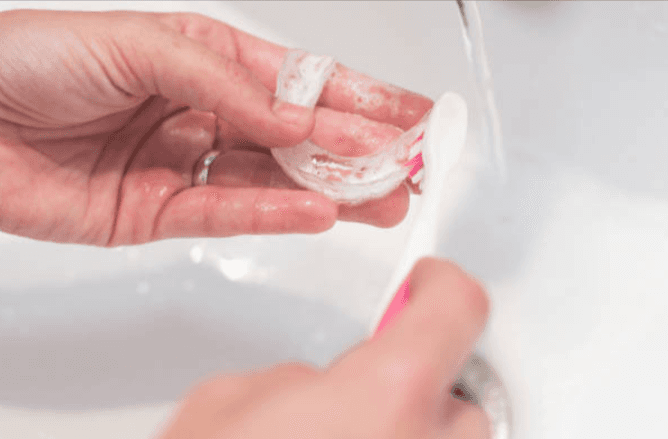
Retainers, dentures, and orthodontic devices can harbor bacteria if not cleaned consistently. Misaligned teeth create hard-to-reach areas where food and plaque accumulate. Properly maintaining your appliances and following a thorough oral hygiene routine helps prevent odor.
Food-Related Causes
Strong-smelling foods like garlic, onions, and spices can temporarily affect your breath. Some compounds enter your bloodstream and are exhaled through the lungs, which is why odor can linger even after brushing.
Systemic and Medical Factors
While most halitosis begins in the mouth, certain medical conditions may contribute. Acid reflux, uncontrolled diabetes, chronic sinus infections, postnasal drip, or tonsil stones can affect breath odor. If oral causes are ruled out, a medical evaluation may be necessary, but oral health is always the first priority.
How Do Dental Professionals Diagnose Halitosis
Identifying the true source of persistent bad breath requires a thorough professional evaluation. A dentist examines your mouth and uses objective testing tools to ensure treatments target the root cause rather than just masking odor.
Visual Examination of Teeth, Gums, and Tongue
Your dentist starts with a careful inspection of your teeth, gums, tongue, and any dental appliances you use. This step helps identify plaque buildup, tartar, gum inflammation, tongue coating, or poorly fitted restorations that may contribute to odor.
By understanding exactly where bacteria accumulate, your dentist can recommend targeted solutions that address the source effectively.

Objective Testing for Breath Odor
In addition to visual assessment, dentists may use objective testing methods:
Halimeter Measurement
This device detects volatile sulfur compounds (VSCs), the molecules primarily responsible for bad breath. It provides measurable, accurate data on odor levels.
Organoleptic Assessment
In this method, a clinician evaluates your breath directly, rating its intensity and character. It allows professionals to detect subtle odors that machines may not fully capture.
Both methods ensure that treatment focuses on the actual cause of halitosis rather than temporary masking techniques.
How You Can Prepare for Your Evaluation
To get the most accurate assessment and make your appointment more effective, consider preparing the following:
Keep a brief log of when your breath seems worse to provide context.
Bring a list of medications, supplements, or recent dental procedures.
Note any dental appliances you currently use and how often you clean them.
Once your dentist identifies the cause, you can take targeted steps to treat it effectively, restore fresh breath, and maintain long-term oral health.

Treatment Options for Halitosis
Effective halitosis treatment depends on identifying the underlying cause of your bad breath. Addressing the root problem rather than simply masking odor ensures lasting results and supports your overall oral health.
Professional Dental Cleaning
Regular professional cleaning removes plaque and tartar that accumulate even with careful daily brushing. This not only improves your breath within days but also reduces the risk of cavities and gum disease. Scheduling cleanings every six months or as recommended by your dental professional helps keep your mouth healthy and odor free.
Periodontal Therapy for Gum-Related Halitosis
If your halitosis is linked to gum inflammation, targeted periodontal therapy can make a significant difference. Treatments such as scaling and root planing remove bacteria from deep gum pockets that brushing alone cannot reach. Addressing gum disease early helps reduce odor at the source while protecting your long-term oral health.
Restorative Treatments for Tooth Decay
Cavities, infected root canals, and poorly fitted dental restorations can trap bacteria and contribute to persistent bad breath. Restorative treatments, including fillings, crowns, or root canal treatment, eliminate these bacterial sources, helping restore both fresh breath and structural health to your teeth.
Managing Dry Mouth
Saliva plays a vital role in naturally cleansing your mouth and controlling bacterial growth. Reduced saliva flow can intensify halitosis. You can manage dry mouth by staying hydrated, using saliva stimulants, or chewing sugar-free gum. These habits support your mouth’s natural defenses and reduce odor over time.
Daily Care for Dental Appliances
Keep your retainers, aligners, or dentures clean every day to prevent bacterial buildup. Remove them before eating, brush and floss your teeth thoroughly, and clean your trays or appliances daily. Maintaining this routine helps ensure your breath stays fresh and your oral hygiene remains strong.
Treatment by Condition
Condition | Recommended Approach | Expected Outcome |
Plaque Buildup | Professional cleaning to remove plaque and tartar. | Fresher breath and reduced cavity risk. |
Early Gum Inflammation | Deep cleaning with scaling and root planing. | Healthier gums and reduced odor. |
Advanced Gum Disease | Ongoing periodontal therapy. | Long-term gum health and fresher breath. |
Tooth Decay or Infection | Restorative treatment including fillings, crowns, or root canal therapy. | Bacteria removed and breath restored. |
Dry Mouth | Hydration, saliva stimulants, sugar-free gum. | Improved saliva flow and reduced odor. |
Appliances / Aligners | Daily cleaning and proper oral hygiene. | Prevents bacterial buildup and maintains fresh breath. |
Daily Oral Care for Fresh Breath
Consistency is key to maintaining fresh breath. Brush your teeth at least twice a day, floss daily, and gently clean your tongue to reduce bacteria and prevent odor. Establishing these simple daily habits helps keep your mouth healthy and your breath naturally fresh.
Pay attention to small habits that can make a big difference. Regularly replacing your toothbrush, rinsing after meals, and scheduling routine dental checkups all contribute to long-term oral health and help keep your breath consistently fresh.
Avoiding Common Mistakes
Quick fixes like mints or chewing gum only mask bad breath and do not address the cause. Skipping tongue cleaning, neglecting regular dental visits, or relying on harsh mouthwashes can make odor worse over time. Staying consistent with simple oral care habits and seeking evaluation early helps prevent minor issues from becoming more serious.
When to Seek Professional Help
If your breath remains unpleasant for more than two to three weeks, or you notice bleeding gums, persistent dry mouth, tooth pain, or others frequently comment on your odor, it’s time to consult a dental professional. Early assessment allows targeted treatment and prevents small problems from escalating.

Long-Term Prevention
Maintaining fresh breath over time comes down to healthy daily habits and routine care. Brush and floss consistently, attend regular dental checkups, stay hydrated, avoid tobacco, and eat a balanced diet. Taking these steps early protects your oral health, your breath, and your confidence.
Your Path to Confident, Healthy Breath
Halitosis is common and manageable, and taking action early can boost both your confidence and oral health. By understanding the causes and maintaining a consistent daily care routine, you can keep your breath fresh and your mouth healthy.
We have a carefully selected team of specialized, Diamond-awarded dentists who combine years of professional experience with the latest proven technology. This ensures every evaluation targets the root cause of odor, helping you achieve lasting results and giving you peace of mind, knowing your oral health is in expert hands.
Frequently Asked Questions
Does mouthwash really fix bad breath?
Most over-the-counter mouthwashes only mask the odor temporarily. To truly fix the issue, you must remove the underlying bacteria and plaque causing the smell.
Can drinking more water help?
Yes! Staying hydrated keeps your saliva flow consistent, which naturally helps wash away food debris and bacteria throughout the day.
Is there a link between bad breath and gum disease?
Yes, a strong link exists. Gum disease often leads to pockets where bacteria collect and multiply, making it very difficult to maintain fresh breath without professional cleaning.
Is halitosis a sign of a serious health problem?
While halitosis is often caused by oral issues, persistent bad breath can sometimes indicate systemic conditions, such as diabetes or acid reflux. Early detection helps prevent complications and ensures any underlying health concerns are addressed. Regular dental checkups are key to catching problems early.
Can certain health deficiencies cause bad breath?
Yes, deficiencies in vitamins like B12 or minerals like zinc may contribute to unpleasant breath by affecting saliva production and oral bacteria balance. Ensuring a balanced diet and addressing any nutritional gaps can help support oral health and reduce odor.

Written by
Dr. Amna Ali
Specialist Orthodontist
Dr. Amna Ali is a Specialist Orthodontist certified by the Swedish National Board of Health and Welfare (Socialstyrelsen), with over 12 years of clinical experience. She holds a Doctor of Dental Surgery (DDS), a Fellowship in Oral Surgery and Periodontology, and a Master’s degree in Orthodontics and Dentofacial Orthopedics (Malmö/Dubai), with advanced training through FACE in Romania. Her expertise includes clear aligners, conventional braces, early orthodontic intervention, temporomandibular disorders (TMD) and functional occlusion. She combines evidence-based care with individualised treatment planning for aesthetics, function and long-term stability.


