Key Takeaways
Open bites can affect chewing, speech, and overall bite mechanics. Effective treatment depends on identifying the underlying structural and functional factors involved.
Open bites may develop from jaw growth patterns, tongue posture, prolonged oral habits, or skeletal imbalance.
Symptoms often extend beyond aesthetics and can include speech changes, uneven tooth wear, and jaw strain over time.
Long-term improvement depends on accurate diagnosis, structured treatment planning, and addressing contributing habits alongside orthodontic correction.
If your dentist has noticed that your front teeth do not meet when you close your mouth, you may have an open bite. This condition can affect more than your smile. It can make chewing, speaking, and jaw movement more challenging.
Modern orthodontic treatment now allows this type of bite imbalance to be corrected with more controlled and accurate tooth movement than in the past. Depending on the cause and severity, treatment may involve aligners, braces, or more comprehensive corrective care.
In this guide, you will learn what an open bite is, why it develops, the risks of leaving it untreated, and the most effective treatment options available in Dubai today.
What Is an Open Bite
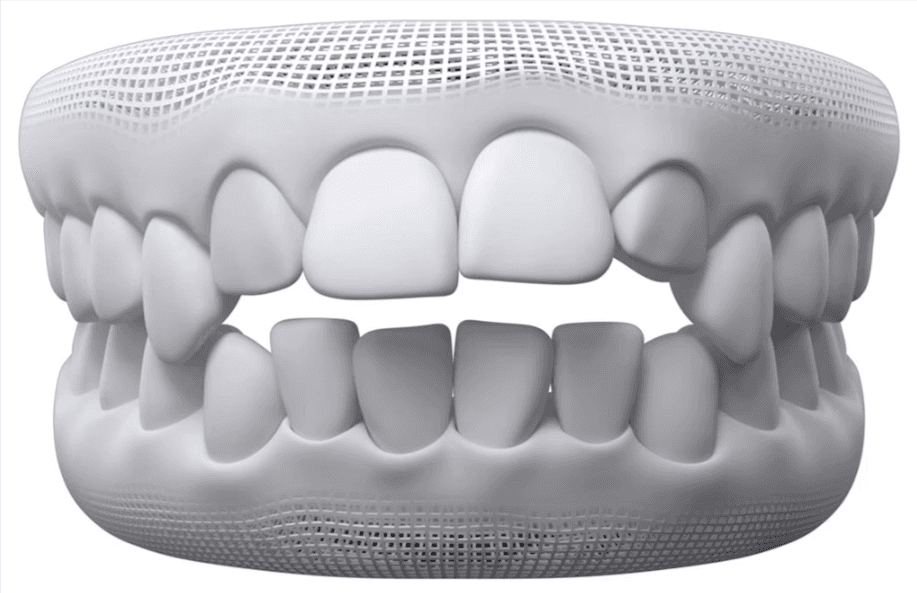
When your upper and lower teeth do not align correctly as your mouth closes, it can create a space between certain teeth that affects both function and appearance. In a healthy bite, the upper front teeth slightly overlap the lower front teeth, allowing efficient biting and chewing. With an open bite, some teeth fail to make proper contact when the mouth closes.
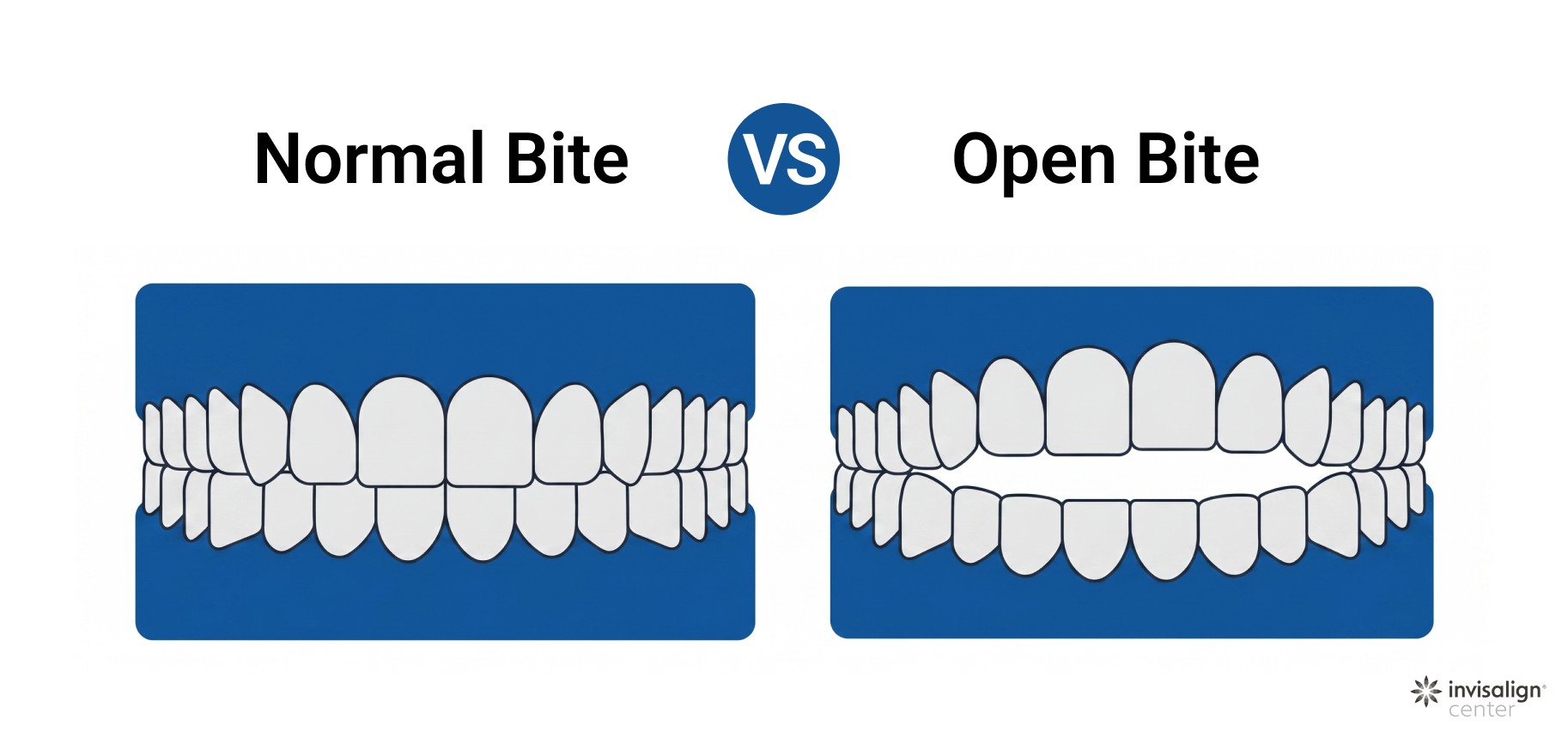
This separation may occur at the front or back of the mouth and can range from mild to severe. Some cases are subtle, while others become more noticeable when speaking or smiling. Beyond appearance, this type of misalignment can influence chewing efficiency, speech clarity, and long-term oral health.
A detailed orthodontic assessment helps determine the type and severity of the condition and guides the most appropriate treatment approach.
What Are the Different Types of Open Bite Teeth
Open bites can vary depending on which teeth are affected and how the upper and lower teeth fail to meet.
Anterior Open Bite
This is the most common form. Your upper and lower front teeth do not meet when your back teeth come together. You may notice difficulty biting into foods such as sandwiches or apples, and the gap is often visible when you speak or smile.
Beyond aesthetics, an anterior open bite can affect speech clarity, making sounds like “s” and “th” harder to pronounce. It can also place uneven pressure on your back teeth, which may increase wear over time.
Posterior Open Bite
A posterior open bite occurs when the back teeth fail to make proper contact while the front teeth appear aligned. This type is often less noticeable but can reduce chewing efficiency.
Certain foods may become more difficult to break down, increasing pressure on the jaw muscles during prolonged chewing and contributing to fatigue or discomfort over time.
Dental vs. Skeletal Open Bite
Identifying whether the condition is dental or skeletal helps determine the most suitable treatment approach.
Dental Open Bite
Your teeth may grow in an abnormal position, or habits such as thumb sucking or tongue thrusting can affect how they align, resulting in a dental open bite.
These cases often respond well to orthodontic treatments like braces or clear aligners, which gradually guide your teeth into the correct position. Because the issue mainly involves tooth positioning, treatment is typically less invasive.
Skeletal Open Bite
The growth pattern of your upper and lower jaws can cause them to develop at angles that prevent proper vertical overlap, leading to a skeletal open bite.
These cases may require a combination of orthodontic treatment and corrective jaw surgery to improve bite balance and jaw positioning. Focusing only on tooth movement is often insufficient because the underlying jaw structure contributes to the condition.
Because dental and skeletal open bites involve different structural factors, each type requires a different treatment strategy.
Common Symptoms of an Open Bite
The effects of an open bite vary depending on its severity and whether the front or back teeth are affected. Some people notice only subtle changes, while others experience changes in chewing, speech, or jaw movement that gradually become more noticeable.
Common symptoms may include:
Difficulty biting into foods with the front teeth
Challenges chewing certain foods efficiently
A visible space between the upper and lower teeth when the mouth is closed
Speech changes, including difficulty pronouncing sounds such as “s” or “th”
Increased strain on the back teeth during chewing
Jaw fatigue, tension, or discomfort during prolonged speaking or eating
Mouth breathing or altered tongue posture in some cases
Because these symptoms often develop gradually, many people adapt to them without realising that the bite itself is contributing to the problem.
What Causes an Open Bite
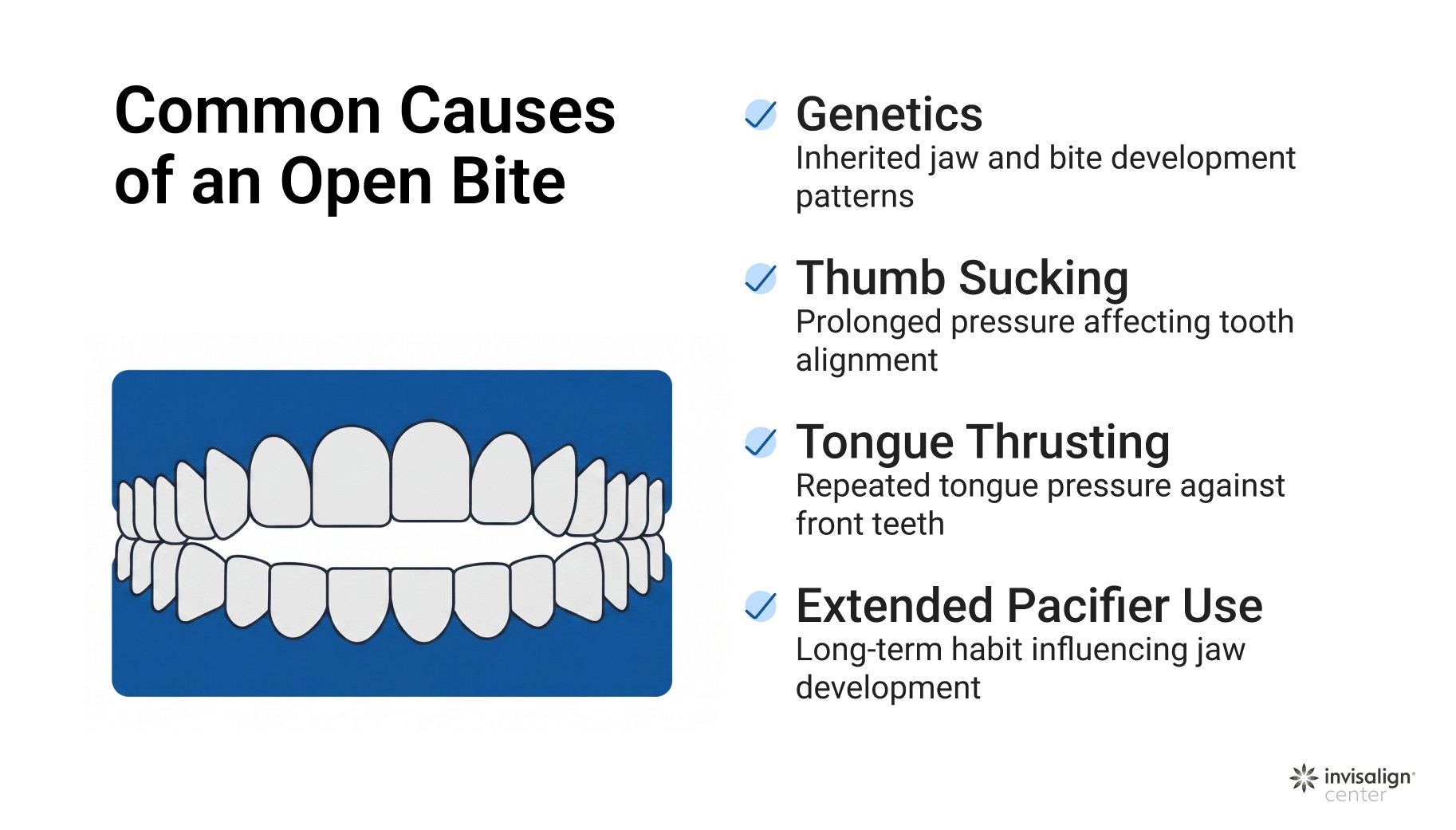
Open bites usually develop through a combination of jaw growth patterns, oral habits, and muscle function.
Skeletal and Genetic Factors
The way your jaws grow plays a major role in whether your teeth meet properly. If the vertical growth of your upper and lower jaws is disproportionate, your teeth may fail to overlap, which can affect chewing and overall bite balance. Genetics also influence jaw development, which is why open bites sometimes run in families.
Tongue thrust can also contribute to open bite development. Over time, this repeated pressure can gradually shift your teeth outward, preventing proper contact.
For example, a child who consistently presses their tongue against their teeth may develop an anterior open bite, affecting both speech clarity and biting function. Clinical research identifies tongue thrust as a primary contributor to these cases, making early recognition important for effective treatment.
Habit-Related Causes (Especially in Children)
During early development, prolonged habits can shape how your teeth erupt and align. Common contributing behaviors include:
Thumb sucking beyond age four
Extended pacifier use
Persistent mouth breathing
Frequent nail biting or chewing on objects
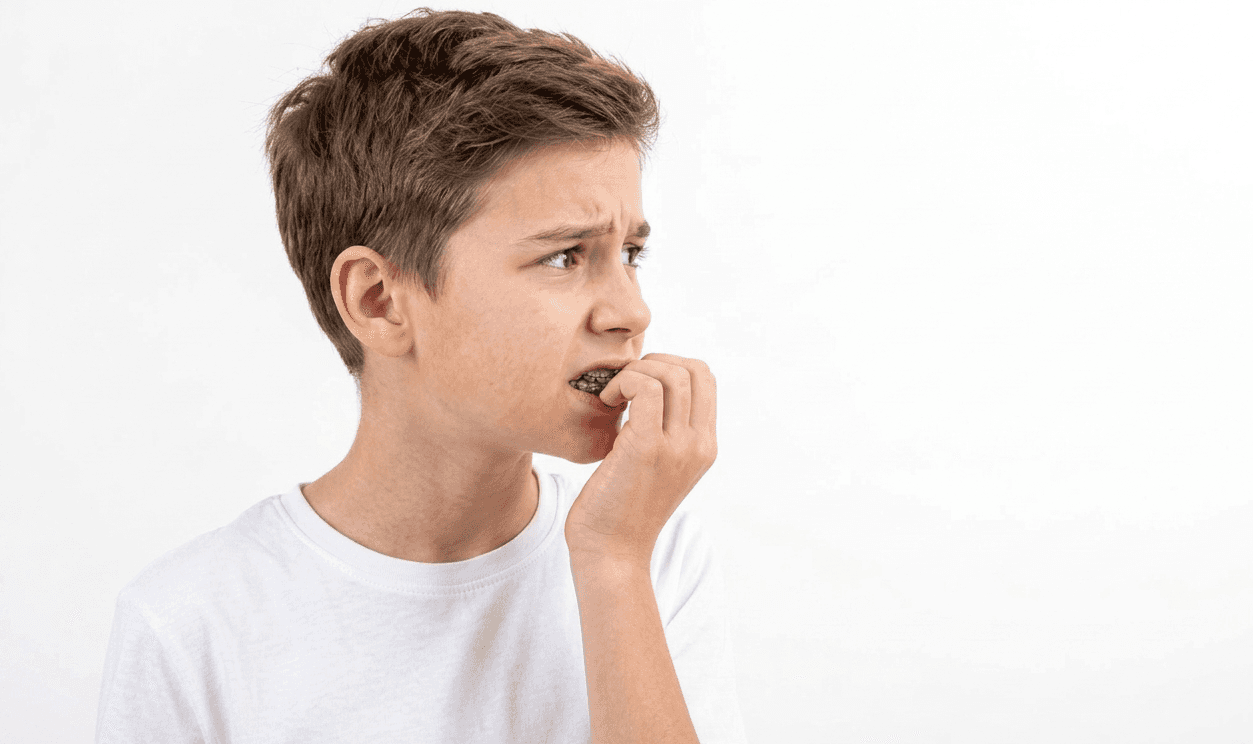
When these habits continue during critical growth periods, the pressure they create can prevent proper tooth contact and influence jaw development. Over time, this may prevent proper tooth contact and affect both biting and speech development.
Early evaluation by a pediatric dentist, often recommended around age seven, can help identify these patterns before they become more complex. Addressing habits early, sometimes combined with habit correction or myofunctional therapy, can improve long-term alignment and reduce the need for more invasive treatments later.
What Happens If an Open Bite Is Left Untreated
Many people initially see an open bite as a cosmetic concern, but the functional consequences can be significant if left untreated.
Chewing and Tooth Wear
When your front teeth cannot meet properly, you rely more heavily on your back teeth to break down food. Over time, this uneven distribution of force can accelerate enamel wear, increase tooth sensitivity, and even lead to cracks or the need for restorative treatments.
For example, biting into harder foods like apples or nuts may feel uncomfortable or cause gradual damage to your molars.
Speech and Articulation
Front teeth play an important role in producing certain sounds. When proper contact is absent, consonants such as “s,” “z,” and “th” may become more difficult to pronounce, sometimes resulting in a lisp or subtle speech irregularities.
In some cases, these speech changes can persist into adulthood and affect communication in professional or social settings.
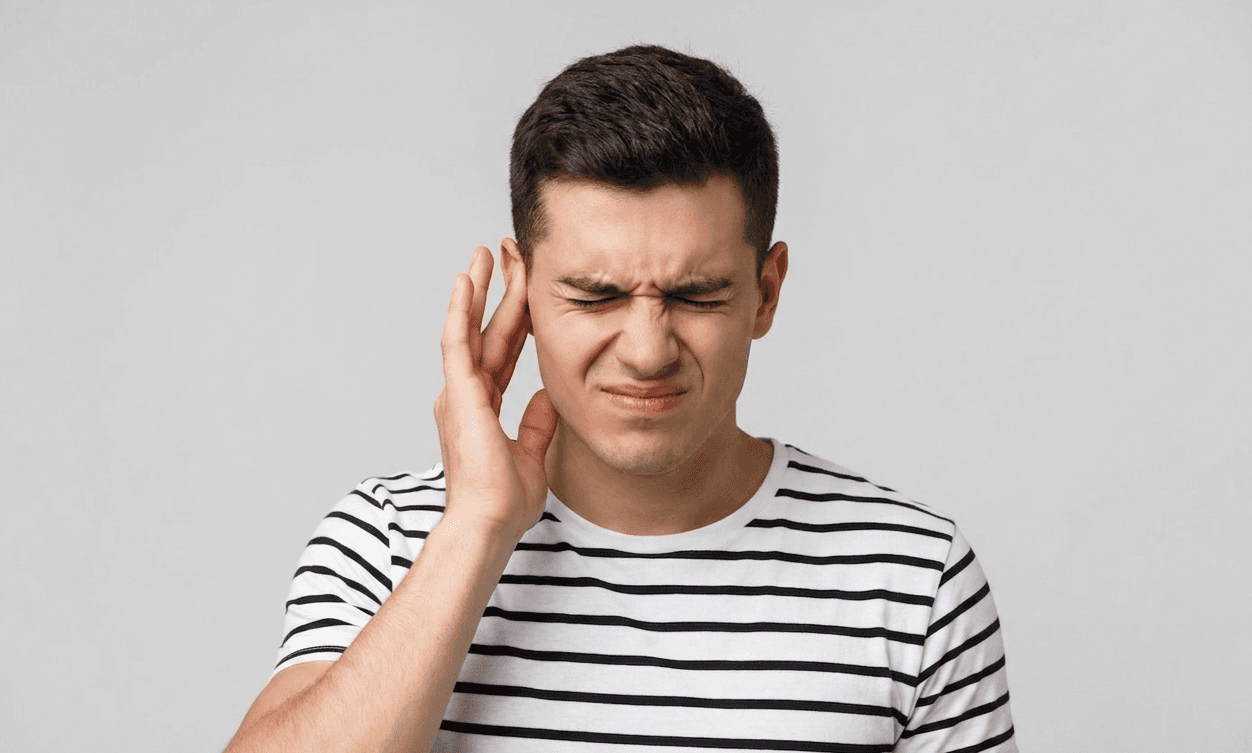
Jaw Strain and TMJ Stress
An open bite changes how your jaw closes and moves, which can place extra strain on the temporomandibular joint (TMJ). Over time, this imbalance may lead to discomfort, clicking, or headaches.
While not every open bite causes TMJ symptoms, prolonged misalignment increases the risk of chronic jaw strain.
Emotional and Social Confidence
A visible gap between your teeth can impact self-image. You may feel self-conscious when smiling in photos, speaking in public, or interacting socially. A visible separation between the teeth may affect confidence when smiling or speaking. In some cases, this can influence social comfort and self-image.
How Is an Open Bite Diagnosed
Accurate diagnosis requires more than a quick visual exam. Orthodontists use several diagnostic tools to understand how your teeth, jaws, and muscles interact when you bite and move your mouth.
Diagnosis typically involves several assessments to evaluate tooth position, jaw relationships, and bite mechanics.
Clinical Examination
Your teeth, bite, and jaw are closely inspected to identify misalignment, crowding, or gaps. The orthodontist may also observe how your bite functions when you open, close, and move your jaw.
Digital 3D Scans
High-resolution scans create a detailed map of your teeth and jaws, allowing precise measurement of vertical gaps and spatial relationships. This technology can also simulate how your teeth will move during treatment, giving you a clear preview of potential outcomes.
Functional Analysis of Jaw and Muscle Patterns
By observing how your jaw and tongue move during swallowing, speaking, and chewing, the orthodontist can detect muscle behaviors like tongue thrust that may contribute to the open bite.
Combining these diagnostic tools supports more accurate treatment planning and controlled tooth movement.
Open Bite Treatment Options in Dubai
Treatment depends on the severity of your open bite, your age, and whether the condition is dental or skeletal in nature.
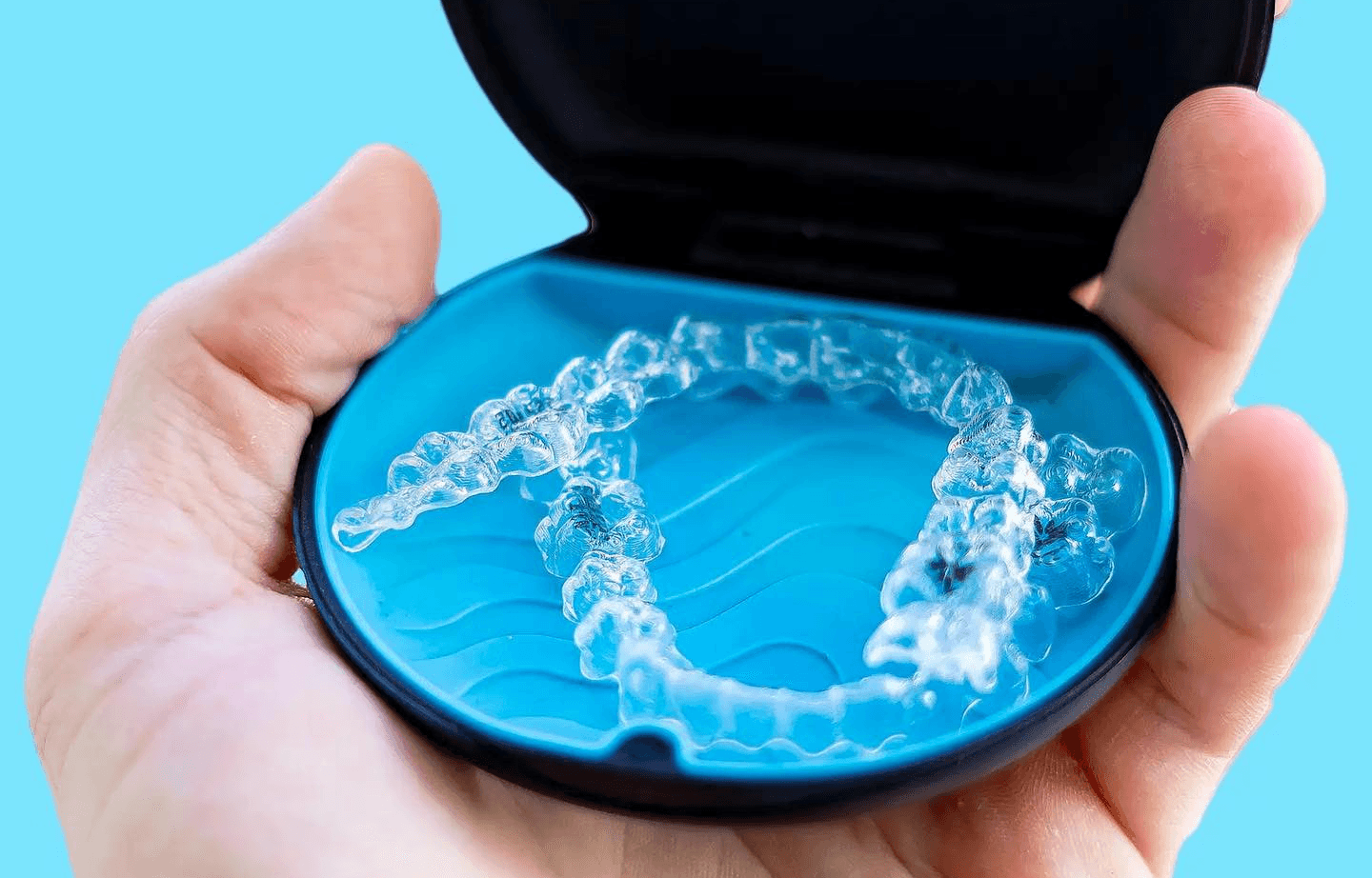
Invisalign for Open Bite
For many mild to moderate dental open bites, Invisalign clear aligners are commonly used in mild to moderate dental cases. Using SmartForce® technology, each aligner applies controlled, gradual pressure to guide your teeth into better vertical alignment.
A key advantage is digital treatment simulation, which allows you to see a projected preview of your results before starting. This helps patients understand the planned tooth movement and expected progression throughout treatment.
Many adults prefer aligners because they are removable and less noticeable during daily activities.
Traditional Braces
Braces remain a strong option for more complex cases. Their fixed design allows your orthodontist to apply precise mechanical forces, which is particularly useful for growing adolescents or cases requiring greater control over tooth movement.
Orthognathic Surgery
For skeletal open bites, jaw repositioning surgery may be recommended in combination with orthodontic treatment. This approach corrects the structural relationship between your upper and lower jaws, allowing your teeth to meet properly.
Surgery is usually reserved for more severe cases and is carefully planned using advanced imaging and bite analysis.
Habit Correction and Myofunctional Therapy
In younger patients, addressing contributing habits and retraining tongue posture can significantly reduce the severity of an open bite. Myofunctional therapy strengthens and coordinates the muscles of the tongue and face, supporting more stable bite alignment over time and reducing the risk of relapse.
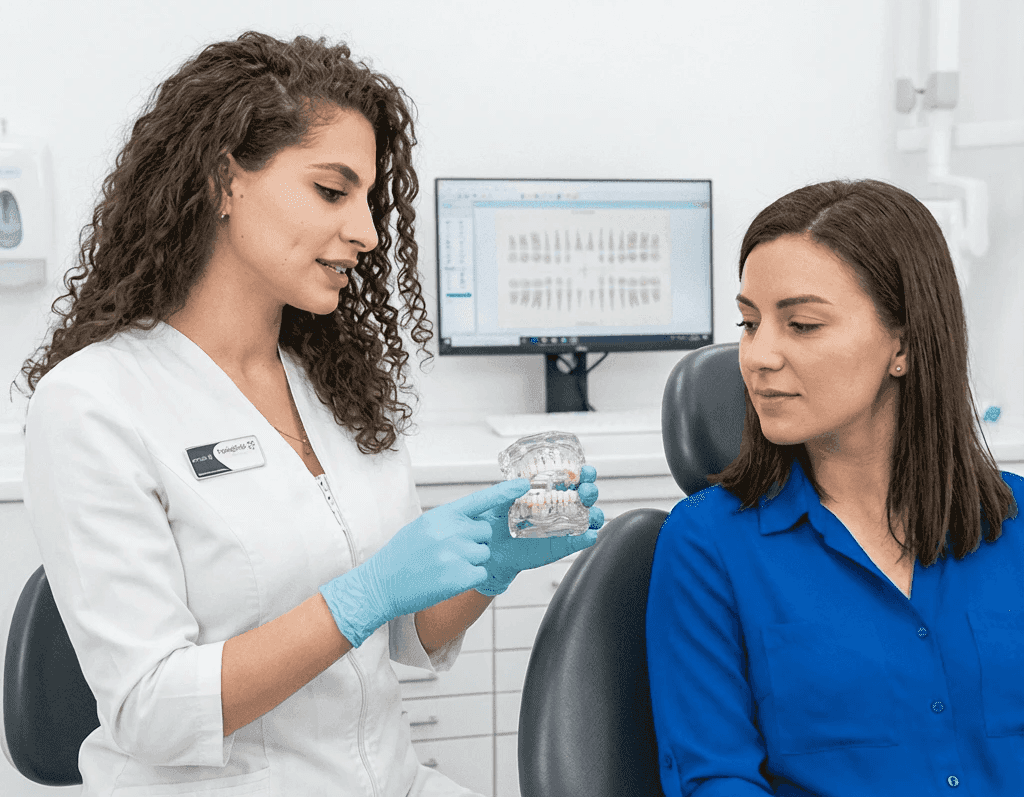
Can Adults Correct an Open Bite
Yes. Open bites can often be corrected successfully in adults using aligners, braces, or combined orthodontic treatment, depending on the underlying cause and severity. Although treatment may take longer than in younger patients, modern digital planning allows for more controlled tooth movement and improved bite alignment.
Comparing Treatment Approaches
Treatment recommendations vary depending on the severity and structural cause of the condition. The table below provides a simplified overview of how these options compare.
Treatment Option | Best For | Visibility | Typical Complexity | Adult Suitability |
Invisalign | Mild to moderate dental cases | Nearly invisible | Moderate | Excellent |
Braces | Moderate to complex cases | Visible | High | Good |
Surgery + Orthodontics | Skeletal open bite | Combined | Very high | Selected cases |
Habit Therapy | Growing children | Not applicable | Preventive | Limited |
This comparison shows why a personalized assessment is essential. Your orthodontist will help determine which treatment aligns with which approach is most appropriate for the condition and treatment objectives.
Treatment Timeline and Stability
The duration of open bite treatment depends on the severity of your bite, the type of treatment, your age, and how consistently you follow your orthodontist’s instructions. Mild cases may resolve within 12 to 18 months, while moderate cases can take up to 24 months. Skeletal open bites requiring surgery may extend beyond this timeline due to staged planning and healing.
Long-term stability relies on retention and, when needed, habit or muscle correction. Retainers keep your teeth in their new position, while therapy targeting tongue posture or other contributing habits reduces the risk of relapse.
Choosing the Right Approach for an Open Bite
Open bites can affect chewing efficiency, speech, and overall bite performance. Because the condition may involve both dental alignment and jaw structure, treatment should begin with a detailed orthodontic assessment. Digital imaging and bite analysis help evaluate the relationship between the teeth, jaws, and oral habits, allowing treatment to be planned more accurately.
Early diagnosis and properly structured correction can help improve long-term comfort, bite balance, and oral function.
Frequently Asked Questions
What’s the best age to fix an open bite?
Open bites can be treated at almost any age, but earlier treatment often allows orthodontists to guide jaw and tooth development more easily. Children and teenagers may benefit from growth-guided treatments, while adults can still achieve excellent results through orthodontics or combined surgical approaches when necessary.
Can an open bite contribute to tooth wear?
Yes. When certain teeth absorb more pressure during chewing, enamel wear may increase unevenly over time. This can sometimes lead to sensitivity, cracks, or added strain on the back teeth.
How long does it take to fix an open bite?
Treatment time varies depending on the severity and cause of the open bite. Mild dental cases may improve within 12 to 18 months using braces or aligners, while more complex skeletal cases may take longer, especially if surgery is involved.
Can the condition return after treatment?
Yes. Open bites can relapse if the underlying contributing factors are not addressed. Habits such as tongue thrusting, mouth breathing, or inconsistent retainer use may gradually affect tooth position again over time. Long-term retention and, in some cases, muscle or habit therapy help support more stable results after orthodontic correction.
Does tongue posture influence bite development?
Yes. Tongue posture plays an important role in how the teeth and jaws develop. When the tongue consistently presses against the front teeth during swallowing, speaking, or resting, it can contribute to open bite development or relapse after treatment. Identifying these patterns is often an important part of long-term correction planning.

Written by
Dr. Amna Ali
Specialist Orthodontist
Dr. Amna Ali is a Specialist Orthodontist certified by the Swedish National Board of Health and Welfare (Socialstyrelsen), with over 12 years of clinical experience. She holds a Doctor of Dental Surgery (DDS), a Fellowship in Oral Surgery and Periodontology, and a Master’s degree in Orthodontics and Dentofacial Orthopedics (Malmö/Dubai), with advanced training through FACE in Romania. Her expertise includes clear aligners, conventional braces, early orthodontic intervention, temporomandibular disorders (TMD) and functional occlusion. She combines evidence-based care with individualised treatment planning for aesthetics, function and long-term stability.


