Key Takeaways
Crowded teeth involve more than visible misalignment and can gradually affect oral hygiene, bite balance, and overall dental function over time.
Crowding commonly develops from limited jaw space, eruption patterns, inherited traits, or long-term oral habits
As alignment becomes more irregular, cleaning may become more difficult, increasing the risk of uneven wear, gum inflammation, and bite-related discomfort
Treatment depends on the severity and structural cause of the crowding, with options ranging from clear aligners to more comprehensive orthodontic correction
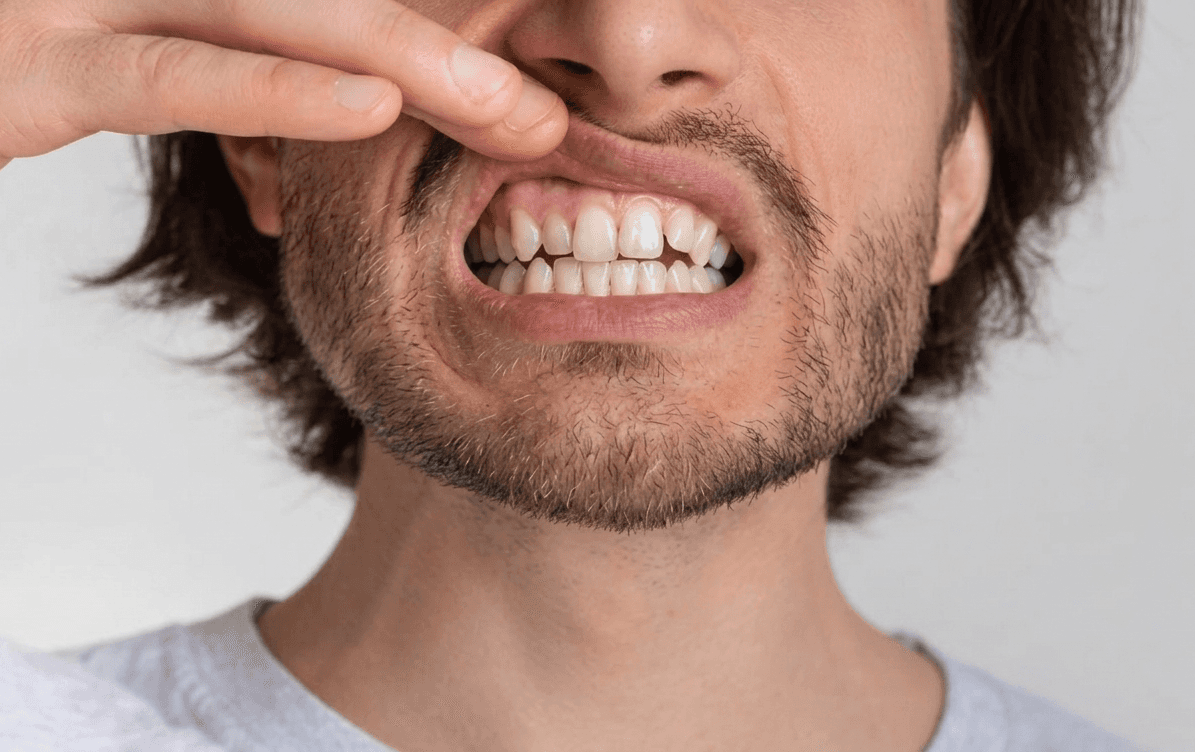
Crowded teeth are one of the most common orthodontic concerns in both children and adults, yet they are often misunderstood as purely cosmetic. In reality, dental crowding is a structural condition that can affect oral hygiene, bite balance, and the way pressure is distributed across the teeth and jaw over time.
Signs of crowding may include overlapping teeth, tight spacing between the lower front teeth, or difficulty cleaning certain areas effectively. In some cases, crowding gradually progresses, increasing the risk of tooth wear, gum inflammation, and uneven bite pressure.
This guide explains why crowded teeth develop, how severity is assessed, and the treatment approaches commonly used to improve alignment and long-term oral function.
What Are Crowded Teeth?
Dental crowding occurs when there is insufficient space within the jaw for teeth to align correctly. Instead of erupting in balanced positions, teeth may overlap, rotate, shift forward or backward, or emerge outside the natural dental arch.
Crowding can affect the upper teeth, lower teeth, or both arches and is especially common in the front teeth, where even minor displacement becomes more noticeable. It is classified as a form of malocclusion, meaning the issue involves both tooth positioning and bite relationship rather than appearance alone.
Beyond aesthetics, crowding can make brushing and flossing less effective by creating tight areas where plaque and bacteria accumulate more easily. Over time, this may increase the risk of cavities, gum inflammation, uneven tooth wear, and strain during chewing.
Why Crowded Teeth Develop
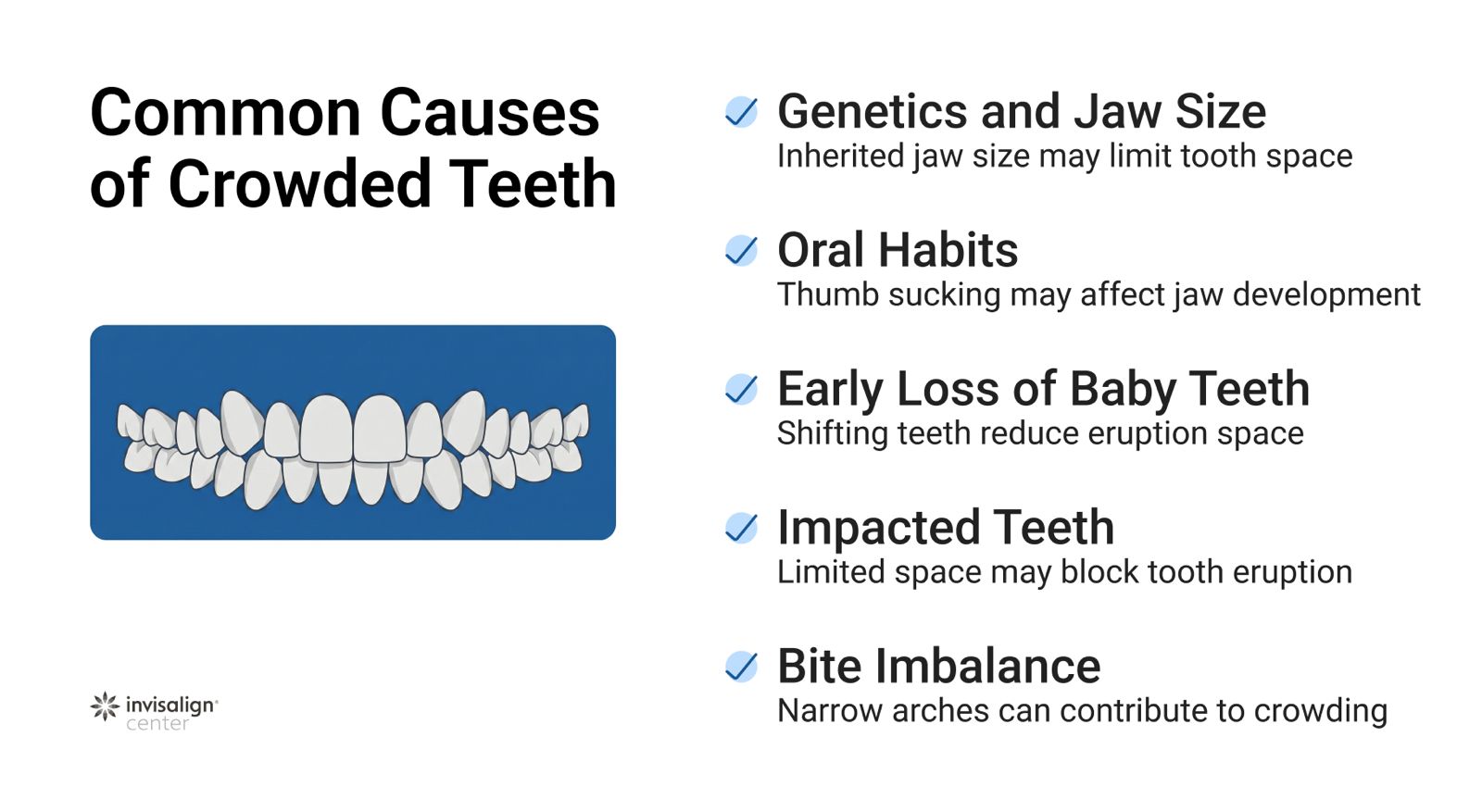
Crowding usually develops through a combination of inherited traits, jaw structure, eruption patterns, and oral habits. In many cases, multiple contributing factors are involved rather than a single isolated cause.
Genetics and Jaw Size
Inherited jaw shape and tooth size are among the most common contributors to crowding. When the jaw is too small to accommodate the full size of the teeth, there may not be enough space for proper alignment. Family history often plays a role, particularly when crowding is present across multiple generations.
Delayed or Early Loss of Baby Teeth
The timing of baby tooth loss can influence how adult teeth erupt. If a baby tooth is lost too early due to decay, trauma, or extraction, neighbouring teeth may shift into the open space before the permanent tooth emerges. In other cases, retained baby teeth can delay eruption and alter the positioning of incoming adult teeth. These changes commonly contribute to crowding during childhood development.
Thumb Sucking, Mouth Breathing, and Oral Habits
Certain habits maintained beyond early childhood can affect jaw growth and arch development. Thumb sucking, prolonged pacifier use, tongue thrusting, and habitual mouth breathing may place repeated pressure on the teeth and surrounding structures while the jaw is still developing. Over time, this can reduce available arch space and contribute to misalignment.
Impacted or Poorly Positioned Teeth
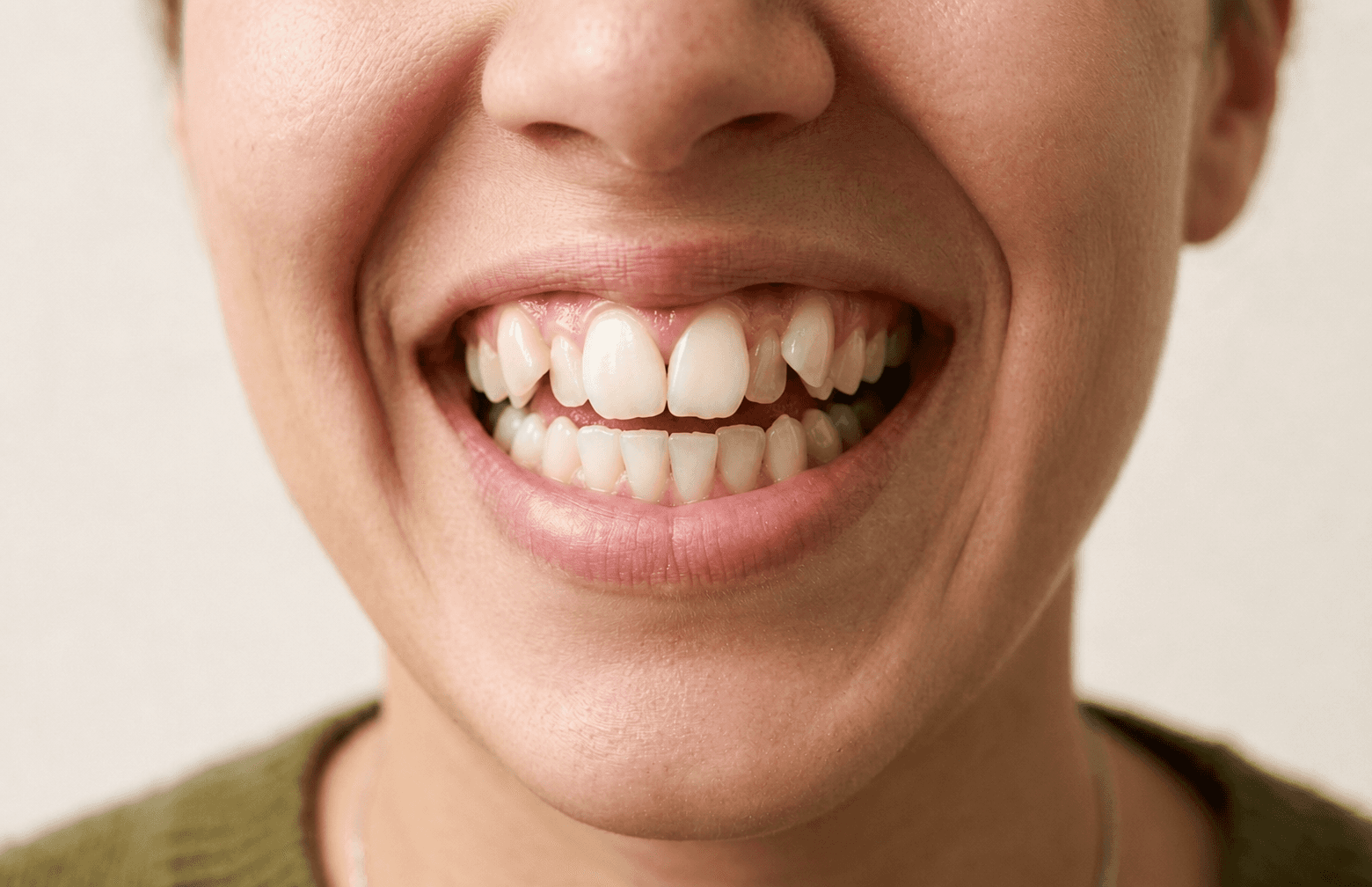
Teeth that do not have enough room to erupt properly may become impacted or emerge at angles that disrupt neighbouring teeth. This is commonly seen with wisdom teeth and upper canines, particularly when eruption paths are restricted by limited space within the jaw.
Bite Imbalance and Jaw Structure
Structural conditions such as narrow arches, crossbite, jaw asymmetry, or skeletal imbalance can limit the space available for proper alignment. In these cases, crowding often reflects a broader issue involving overall bite and jaw relationships rather than tooth positioning alone.
Types and Severity of Crowded Teeth
Crowding can range from minor tooth overlap to more complex alignment problems involving bite function and jaw mechanics. The severity of crowding influences both the symptoms experienced and the type of treatment required.
Mild Crowding
Mild crowding usually involves slight overlap or rotation affecting one or several teeth. Cleaning is generally manageable, and the bite often remains stable. In many cases, the concern is primarily aesthetic, with treatment focused on improving alignment and spacing.
Moderate Crowding
Moderate crowding involves more noticeable displacement across multiple teeth, often creating tight areas that are harder to clean effectively. As alignment becomes more irregular, uneven bite pressure and gradual shifting may begin to develop over time.
Severe Crowding
Severe crowding involves significant tooth displacement that can interfere with oral hygiene, chewing efficiency, speech, and overall bite balance. Impacted teeth may also be present, particularly when available space within the jaw is limited. These cases often require more comprehensive orthodontic planning and, in some situations, multidisciplinary treatment.
Common Problems Associated With Crowded Teeth
The effects of untreated crowding extend beyond visible misalignment. As teeth overlap or shift out of position, cleaning becomes more difficult and pressure across the bite may become uneven over time.
Common issues associated with crowded teeth include:
Plaque accumulation in tight or overlapping areas
Increased risk of cavities and gum inflammation
Difficulty brushing and flossing effectively
Uneven pressure during chewing
Accelerated tooth wear in certain areas
Tooth sensitivity or minor fractures over time
Jaw discomfort linked to bite imbalance
Beyond physical effects, visible crowding can also affect confidence in social or professional settings, particularly when the front teeth are involved. Some people become more hesitant to smile openly or feel increasingly self-conscious about changes in alignment over time.
Can Crowded Teeth Cause Pain?
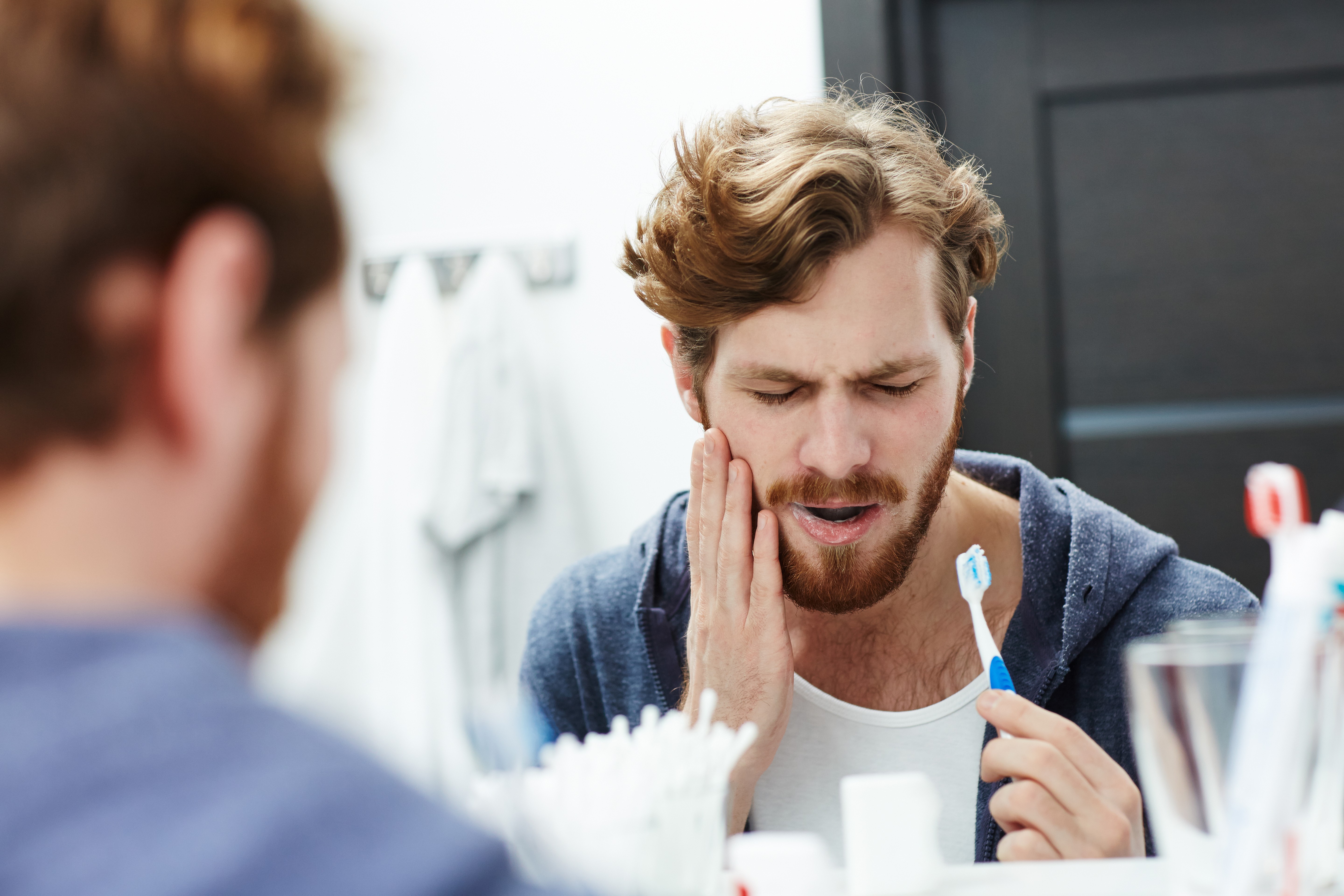
Yes. In some cases, crowding can place uneven pressure across the teeth and jaw, contributing to discomfort during chewing or biting. Tight spacing, bite imbalance, and jaw strain may also increase the likelihood of tooth sensitivity, headaches, or temporomandibular joint discomfort. The severity varies between individuals, and not everyone with crowded teeth experiences pain.
Can Crowded Teeth Affect Speech?
Moderate to severe crowding can sometimes affect speech clarity. Significant tooth displacement may interfere with tongue movement or airflow during pronunciation, contributing to lisping or difficulty producing certain sounds. Mild crowding, however, does not usually affect speech in a meaningful way.
Can Crowded Teeth Worsen Over Time?
Yes. Teeth naturally shift throughout life, and lower front crowding in particular often becomes more noticeable with age. Bite pressure, grinding habits, and gradual tooth movement can all contribute to increasing overlap over time, even in people who previously had relatively straight teeth.
The rate of progression varies between individuals, but untreated crowding rarely improves on its own. In many cases, alignment gradually becomes more difficult to manage without orthodontic correction.
How Orthodontists Assess Crowded Teeth
A thorough assessment of dental crowding goes beyond a visual examination. Clinical evaluation typically includes a bite assessment, digital intraoral scans, and X-rays to evaluate tooth angulation, root position, and the relationship between the teeth and underlying jaw structure. Space analysis helps quantify the discrepancy between available arch length and the space required for proper alignment.
Modern digital orthodontic planning has significantly improved the precision and predictability of treatment, allowing clinicians to model proposed tooth movements and anticipate the final outcome before treatment begins. This level of planning is particularly valuable for moderate and severe crowding, where the sequence and mechanics of movement matter considerably.
Treatment Options for Crowded Teeth
Treatment for crowded teeth depends on the severity of the misalignment, the available space within the jaw, and the overall bite relationship.
Invisalign for Crowded Teeth
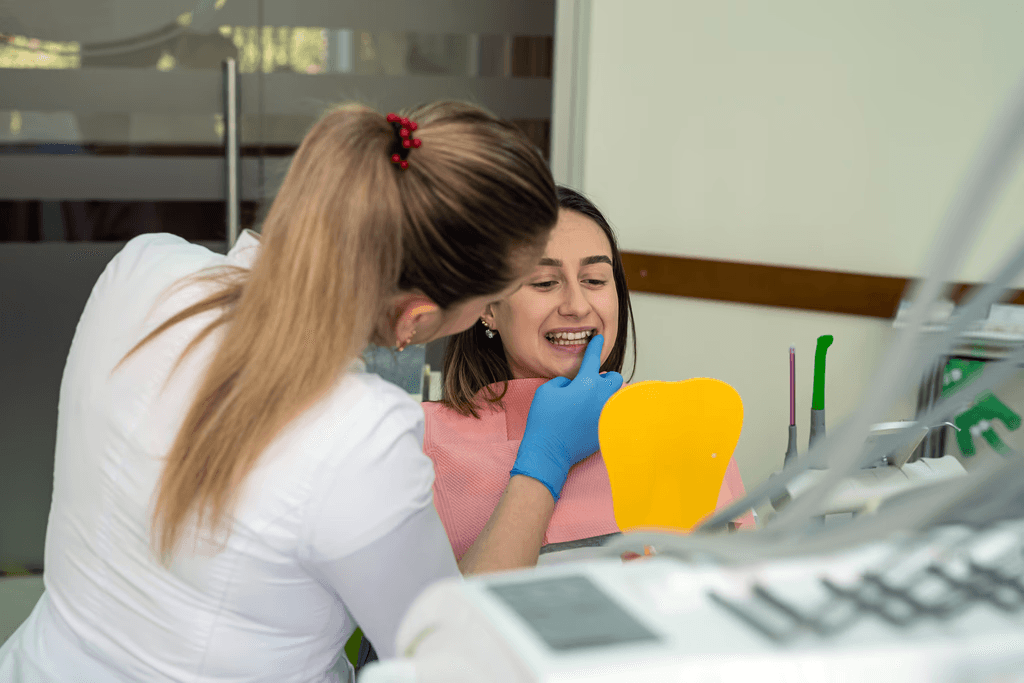
For many mild to moderate cases, Invisalign clear aligners can gradually guide teeth into improved alignment using digitally planned tooth movement. Because the aligners are removable, they also make brushing and flossing easier throughout treatment, which can be especially beneficial when crowding has already made oral hygiene more difficult.
Braces for Moderate and Severe Cases
Fixed braces are often recommended for more complex crowding involving severe rotation, significant displacement, or multiple teeth requiring controlled movement. The fixed nature of braces allows for greater precision in cases where more advanced adjustment is needed.
Palatal Expansion and Space Creation
In selected growing patients, palatal expanders may be used to widen the upper jaw and create additional space for alignment. Early expansion can sometimes reduce treatment complexity later and may help avoid tooth extraction in certain cases.
Tooth Extraction in Selected Cases
Extraction may be considered when there is insufficient space within the jaw to align the teeth predictably. This approach is typically reserved for more severe crowding and is evaluated carefully alongside long-term bite balance and overall treatment goals.

Orthognathic Surgery for Structural Crowding
When crowding is linked to significant skeletal imbalance, such as severe jaw asymmetry or restricted arch development, orthodontic treatment alone may not fully address the condition. In these cases, orthognathic surgery may be combined with orthodontic care to improve jaw positioning and overall bite function.
Invisalign vs. Braces for Crowded Teeth
The choice between Invisalign and braces depends largely on the complexity of the crowding and the type of tooth movement required.
Invisalign | Braces | |
Visibility | Nearly invisible | Visible |
Removability | Removable | Fixed |
Oral hygiene | Easier to maintain | Requires more care |
Mild–moderate crowding | Well-suited | Suitable |
Severe crowding | Case-dependent | Often preferred |
Complex rotations | Limited in some cases | Greater control |
Both options can be effective when planned appropriately. The most suitable approach depends on the severity of crowding, bite relationship, and overall treatment goals.
How Long Does Treatment Take?
Treatment time depends on the severity of crowding, the complexity of tooth movement, and the type of orthodontic approach used.
Mild crowding: Several months in straightforward aligner cases
Moderate crowding: Typically 12 to 18 months
Severe crowding: Often longer, particularly when multiple procedures or structural correction are involved
Treatment duration can also vary based on factors such as aligner wear consistency, biological response to tooth movement, and whether additional procedures are required.
Maintaining Results After Treatment
Teeth naturally shift over time, which is why retainer care remains an important part of maintaining orthodontic results. Fixed or removable retainers help keep teeth in their corrected positions while the surrounding bone and soft tissue adapt to the new alignment.
Regular follow-up appointments also help identify early signs of movement before more noticeable shifting develops.
When to Consider a Professional Assessment
Crowding does not always require immediate treatment, but certain changes may indicate that a professional evaluation is beneficial.
You may consider an orthodontic assessment if you notice:
Difficulty cleaning between overlapping teeth
Increasing overlap or shifting over time
Jaw discomfort or uneven pressure during chewing
Speech changes linked to tooth movement
Relapse after previous orthodontic treatment
Early assessment can help identify the underlying cause of crowding and support more effective long-term treatment planning.
Why Early Assessment Matters
Crowded teeth can develop gradually and may become more difficult to manage as alignment changes over time. Because crowding often involves both tooth position and overall bite relationships, treatment planning should begin with a detailed orthodontic assessment rather than appearance alone.
Early evaluation can help identify contributing factors before more complex movement or structural changes develop, allowing treatment to be planned more effectively over the long term.
Frequently Asked Questions
Why is lower front tooth crowding so common?
Lower front teeth are especially prone to crowding because the lower jaw naturally provides less space for alignment. Over time, bite pressure, gradual tooth movement, and age-related shifting can make crowding in this area more noticeable.
Can wisdom teeth make crowding worse?
Wisdom teeth may contribute to additional pressure at the back of the dental arch, particularly when there is already limited space within the jaw. However, crowding is usually influenced by multiple factors rather than wisdom teeth alone.
How do orthodontists measure crowding severity?
Orthodontists assess crowding through clinical examination, digital scans, bite analysis, and imaging such as X-rays. Measurements are used to compare the available space within the dental arch against the amount of space required for proper tooth alignment.
Can crowding return after orthodontic treatment?
Yes. Teeth naturally shift over time, which is why retainers are important after orthodontic treatment. Without proper retainer wear and follow-up care, gradual relapse can occur even after successful alignment correction.
What is the best age to fix crowding?
Orthodontic assessment is often recommended around age 7, when jaw growth and permanent teeth can be evaluated more clearly. Early identification may allow simpler treatment, although adults can still achieve effective correction with braces or clear aligners depending on the severity of the crowding.

Written by
Dr. Amna Ali
Specialist Orthodontist
Dr. Amna Ali is a Specialist Orthodontist certified by the Swedish National Board of Health and Welfare (Socialstyrelsen), with over 12 years of clinical experience. She holds a Doctor of Dental Surgery (DDS), a Fellowship in Oral Surgery and Periodontology, and a Master’s degree in Orthodontics and Dentofacial Orthopedics (Malmö/Dubai), with advanced training through FACE in Romania. Her expertise includes clear aligners, conventional braces, early orthodontic intervention, temporomandibular disorders (TMD) and functional occlusion. She combines evidence-based care with individualised treatment planning for aesthetics, function and long-term stability.


