Key Takeaways
Every Invisalign® plan is tailored to the individual, which means pricing and inclusions can vary.
Prices typically range from AED 7,000 to AED 26,000, depending on the complexity of your case.
The final fee is influenced by factors such as treatment duration, customization, and any additional procedures required.
Most plans include your consultation, digital treatment planning, custom aligners, follow-up appointments, and retainers, depending on your provider.
Invisalign® is a clear aligner treatment that offers a discreet and effective way to straighten teeth with minimal disruption to your daily routine. Unlike traditional braces, Invisalign® uses a series of clear, removable aligners to gradually move the teeth. Because the aligners are clear and removable, many patients choose this treatment to improve their smile while maintaining comfort and flexibility.
One of the most common questions patients ask is: how much does Invisalign® cost in Dubai? As every smile is different, Invisalign® treatment costs can vary depending on your individual needs and treatment plan.
In this article, we’ll break down the typical Invisalign cost, the factors that influence pricing, and the financing options that may help make treatment more accessible.
The Evolution of Invisalign® Treatment
Before looking at the breakdowns of Invisalign cost in the market, it helps to understand how this revolutionary treatment has changed the way orthodontists address teeth misalignment. Knowing how the system works gives you a clearer perspective on why treatment costs may vary.
Introduced more than 25 years ago by Align Technology, Invisalign® transformed orthodontic treatment by offering an innovative alternative to traditional braces. Using a series of clear thermoplastic aligners, the system gradually moves teeth into their ideal positions.
Since its introduction, over 22 million people worldwide have improved their smiles with Invisalign, making it one of the most trusted and widely used clear aligner systems today.
What is Invisalign®
Designed for comfort and aesthetics, Invisalign® uses a series of clear, removable aligners to gradually move your teeth into their ideal positions, helping create a healthier bite and a more confident smile.
Invisalign can address a wide range of orthodontic concerns, including:
Gaps between teeth
Overbite or underbite
Crossbite or open bite
Minor tooth movement issues
The system works similarly to traditional braces but without many of the common restrictions. You can remove your aligners when eating, drinking, or performing oral hygiene routines, which allows you to maintain your usual lifestyle comfortably.
In addition to being nearly invisible, Invisalign® aligners are designed to fit comfortably into your daily routine. Because they're removable, you can continue eating your favorite foods and maintain your usual oral hygiene habits throughout treatment.
The Difference between Invisalign® Aligners and Metal Braces
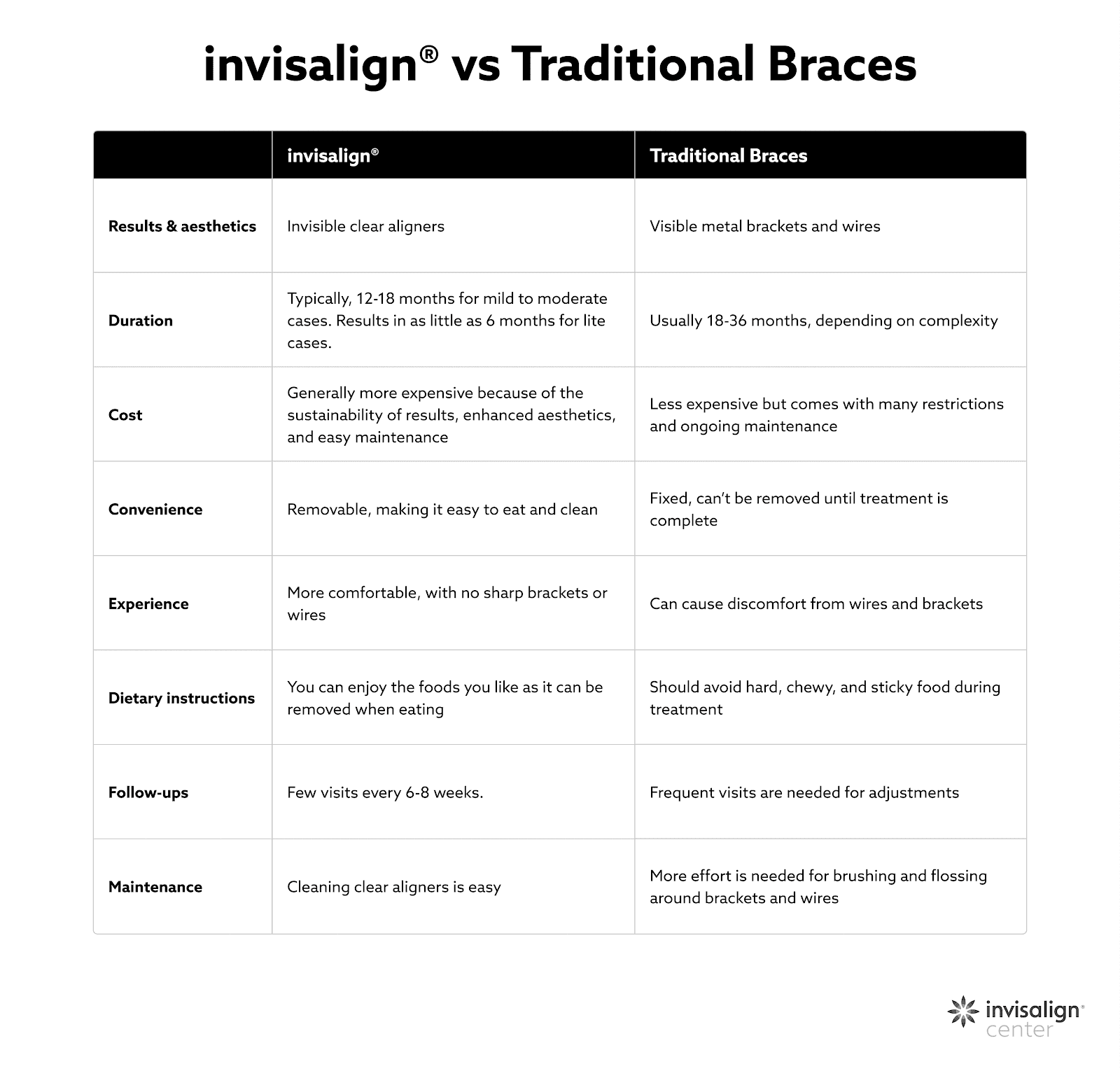
Comparing Invisalign® with traditional metal braces highlights the key differences between the two treatment options. While both are designed to straighten teeth effectively, Invisalign® uses a series of clear aligners instead of the brackets and wires found in conventional braces.
One of the biggest advantages of Invisalign® is its comfort and lifestyle flexibility. The aligners are removable, making it easier to eat, brush, and floss without restriction. They allow you to straighten your teeth confidently in social and professional settings.
Traditional metal braces, on the other hand, remain a reliable choice for more complex orthodontic cases. They are highly effective at correcting severe misalignments but can be more noticeable and may require additional care and restrictions during treatment. Understanding these differences can help you make an informed decision about the treatment that best fits your needs.
Breaking Down the Cost of Invisalign®
One of the first things to understand about Invisalign® treatment is that there is no one-size-fits-all approach. The cost typically ranges from 7,000 to 26,000 AED, depending on the complexity of your case and any additional procedures required. This range generally covers the full treatment process, from the initial consultation to the final retainer stage.
To give you a clearer picture, here’s an overview of typical Invisalign pricing in Dubai, broken down by treatment type and length:
Treatment Type | Average Cost (AED) | Treatment Length |
Invisalign i7 / Express | 7,000 to 12,000 | ~3 to 6 months |
Invisalign Lite | 12,000 to 18,000 | ~6 to 12 months |
Invisalign Full / Comprehensive | 12,000 to 25,000 | ~12 to 24 months |
Invisalign Teen | 18,000 to 26,000 | ~12 to 24 months |
Note: Prices are approximate and may vary depending on the complexity of your case and the specifics of your treatment plan.
What Influences the Cost of Invisalign® Treatment
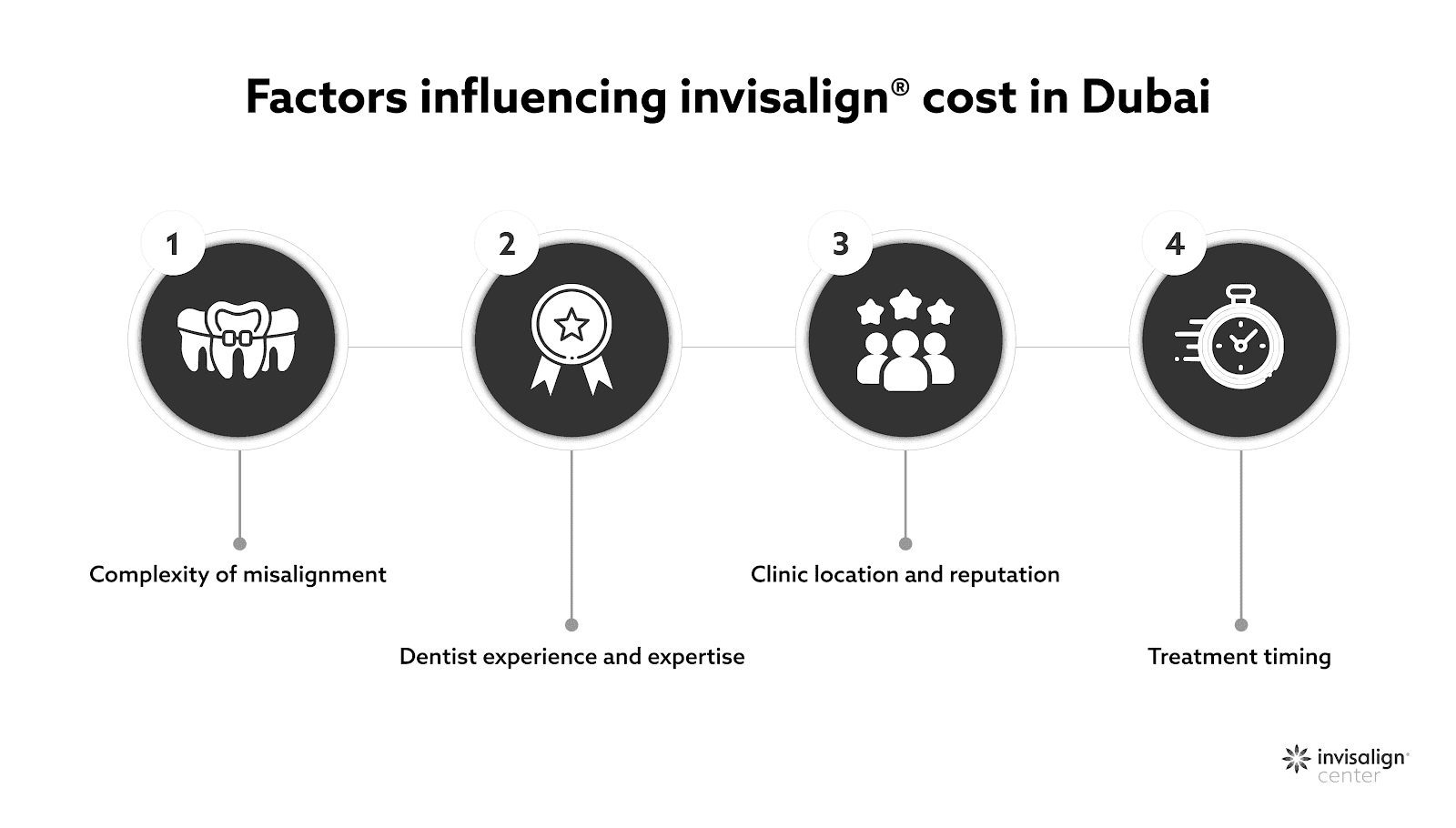
If you’re wondering how much Invisalign® costs, it’s important to understand that the price mainly depends on your dental condition and the treatment plan designed for your smile. Some of the key factors include:
Complexity of Your Case
The condition of your teeth and the type of misalignment you have directly affect treatment costs. Minor adjustments may require fewer aligners and a shorter treatment time, which can lower the price.
In contrast, more complex cases often require a larger number of aligners and a longer treatment period, which increases the overall cost.
Treatment Duration
The length of your treatment also plays a role in the overall cost. Shorter treatments may require fewer aligner sets, while longer treatment plans may involve additional stages to guide teeth safely and accurately into their final position.
Level of Treatment Customization
Each Invisalign® treatment plan is designed specifically for the patient using digital planning and customized aligners. The level of customization required can vary depending on the alignment goals and the adjustments needed throughout the treatment process.
More detailed treatment plans may include attachments, refinements, or additional aligners to ensure precise results.
Additional Cost Considerations
Preliminary Procedures
Some patients may need preparatory procedures before starting Invisalign, such as tooth extractions, gum reshaping, or professional dental cleaning. These steps help ensure the treatment works effectively and delivers the expected results.
Depending on your dental condition, these preliminary procedures may add to the overall Invisalign® cost.
Retainers
After completing treatment, retainers are essential to help maintain the new alignment of your teeth and preserve the results. In some cases, the cost of retainers may be included in your overall treatment package, while in others it may be billed separately.
It’s a good idea to confirm this with your provider as part of your treatment planning.
Financing Options
At our center, flexible payment plans and occasional promotions are available to make Invisalign® treatment more accessible. These options can help patients manage the Invisalign® price more comfortably throughout the treatment period.
What Does the Invisalign® Treatment Cost Include
The Invisalign® cost typically includes the full treatment journey, from the initial consultation to the final retainer phase. In some cases, retainers may be accounted for separately depending on the treatment plan.
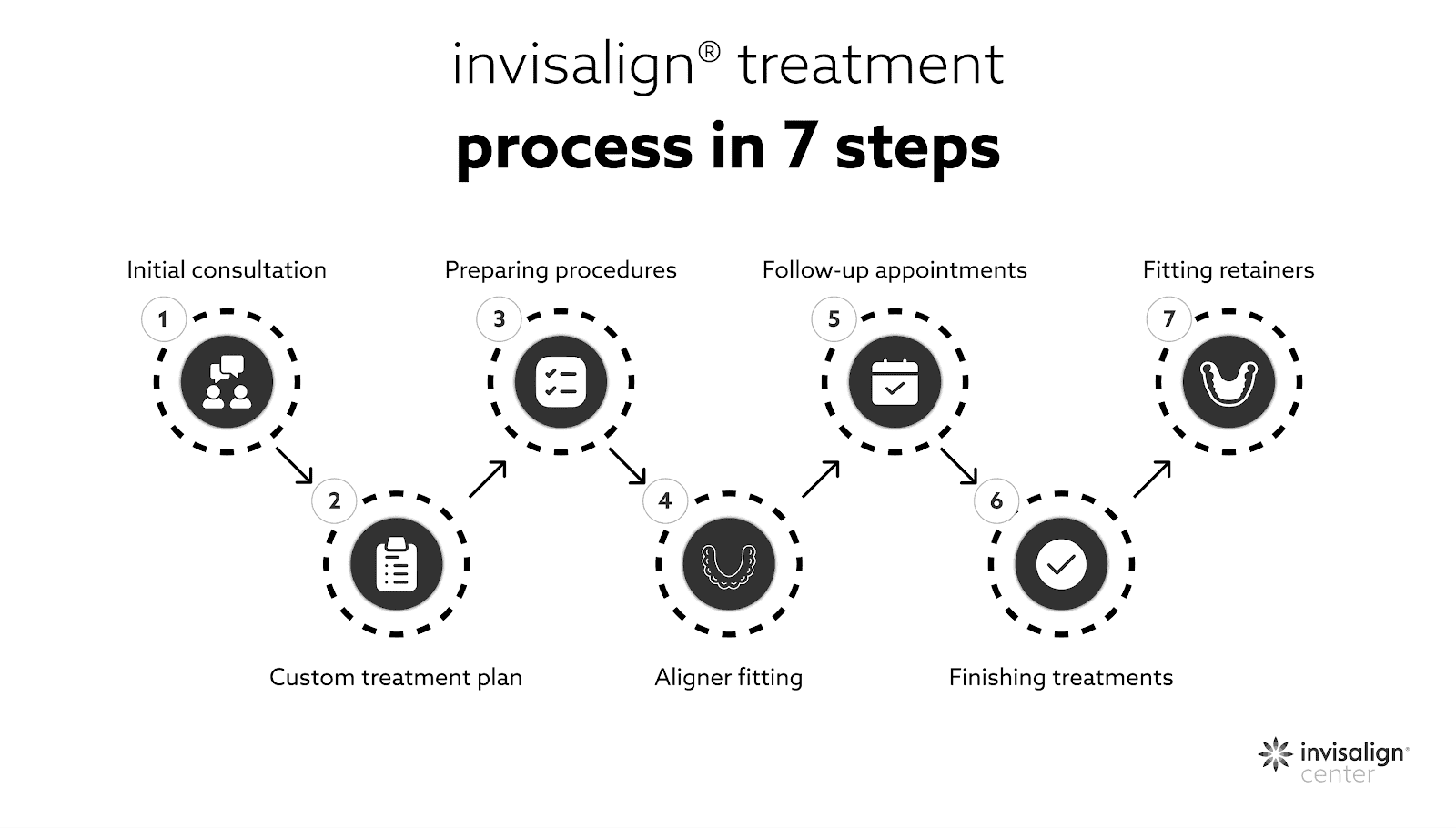
To give you a clear picture, here’s a breakdown of what is generally included in the Invisalign® process.
1. Initial Consultation
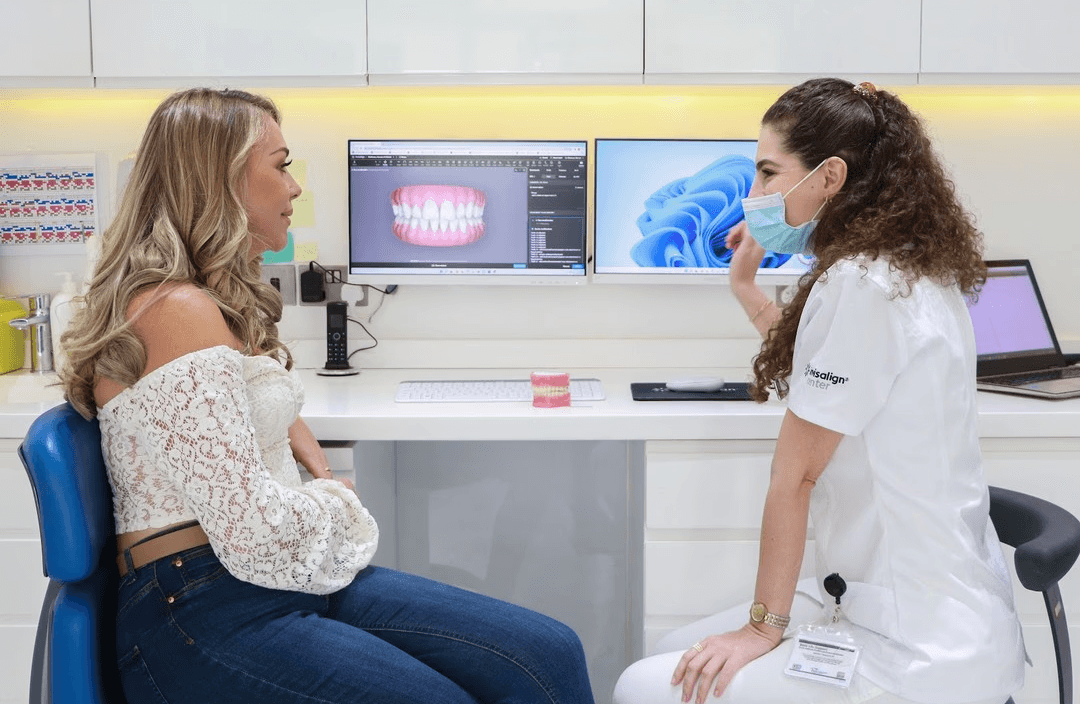
Your treatment begins with a one-on-one consultation with an orthodontist. During this visit, your teeth, bite, and overall oral health will be carefully examined to determine whether Invisalign is the right option for you.
This is also the time to discuss your smile goals and expectations. Understanding the result you hope to achieve helps the orthodontist create a treatment plan that suits your needs.
2. Custom Treatment Plan
Based on the consultation and examination, the orthodontist will develop a personalized treatment plan tailored to your teeth alignment and bite condition. This plan maps out how your teeth will gradually move into their ideal position using a series of clear aligners.
If you have any questions or concerns about the process, this stage is the best time to discuss them and fully understand your treatment journey.
3. Preparing Procedures
Before starting Invisalign® treatment, some patients may need preparatory dental procedures to ensure the best possible results. These may include:
Dental fillings
Treatment for gum conditions such as gingivitis or periodontitis
Tooth extractions if additional space is required for alignment
In many cases, this step simply involves routine dental cleaning to remove plaque and maintain oral health. However, if additional procedures are required, they may influence the overall cost of treatment.
4. Aligner Fitting
Once your custom aligners are ready and your teeth are prepared, you will receive your first set of Invisalign aligners. Your dentist will show you how to properly insert and remove them and explain how to care for them.
Your dentist will also explain how to wear and care for your aligners, including when to remove them and how to keep them clean.
5. Follow-up Appointments
Throughout the treatment, you will attend periodic follow-up visits so the orthodontist can monitor your progress. These appointments are usually scheduled when it is time to switch to the next set of aligners.
During these visits, your orthodontist will confirm that your teeth are moving according to the treatment plan and make adjustments if needed.
6. Finishing Treatments
As you approach the end of your treatment, your orthodontist will assess the final alignment of your teeth. In some cases, a few additional aligners may be recommended to refine the results and achieve the desired outcome.
7. Fitting Retainers
After the active treatment phase, retainers are used to maintain your new smile. Without retainers, teeth can gradually shift back to their previous position.
Retainers may be fixed or removable, and your orthodontist will recommend the most suitable option based on your individual case.
Advanced Technology and Precision in Invisalign® Treatment
Invisalign® uses state-of-the-art technology to deliver precise, predictable, and comfortable tooth movement. Every aligner is custom-made using advanced digital technology to fit your unique dental structure and treatment goals.
Digital 3D Scanning
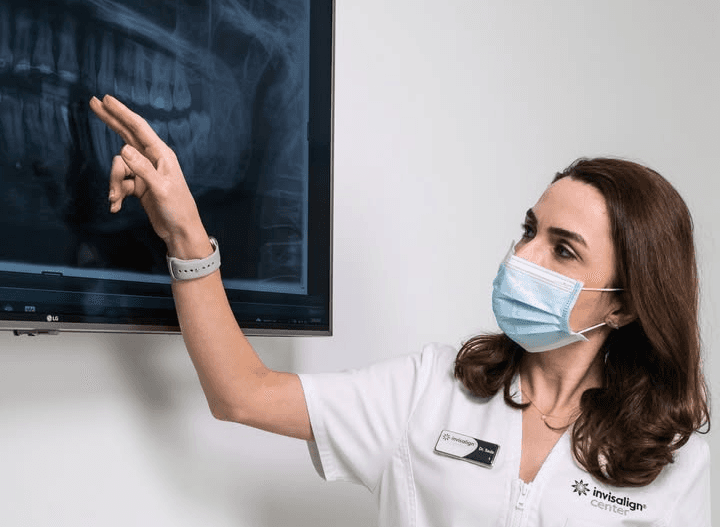
A high-resolution 3D scan of your teeth creates a precise digital map, eliminating messy impressions and enabling accurate planning for every stage of treatment.
Customized Aligners
Each aligner is tailored to your teeth using advanced thermoplastic materials. They apply gentle, controlled pressure, ensuring effective movement while maximizing comfort and durability.
Digital Treatment Planning
A fully digital simulation maps each step of tooth movement. This allows your orthodontist to anticipate adjustments, reduce surprises, and deliver a smoother treatment experience.
By integrating these technologies, Invisalign® ensures predictable results, fewer complications, and a comfortable, efficient journey to your ideal smile.
Why Authentic Invisalign® Matters
Not all clear aligners are created equal. Generic or “fake” Invisalign alternatives may seem cheaper, but they often lack precise fit, digital planning, and refinement guarantees. Using these alternatives can result in misaligned teeth, longer treatment times, and additional costs for corrective procedures.
Authentic Invisalign® combines advanced technology with personalized treatment planning to deliver predictable, safe, and lasting results. This level of precision helps ensure controlled tooth movement and refinements when needed.
While the upfront cost may be higher, the long-term benefits include better oral health, a confident smile, and an efficient treatment experience, making it a worthwhile investment.
Invisalign® Aligners Price: Are the Benefits Worth the Cost
When considering the Invisalign cost, many patients also look at the long-term benefits the treatment provides. Invisalign aligners are designed to improve both dental function and aesthetics while fitting comfortably into your lifestyle.
Virtually Invisible and Improved Aesthetics
Invisalign aligners are made from clear medical-grade material, allowing you to straighten your teeth without the noticeable look of traditional metal braces.
Lifestyle Flexibility
Because Invisalign® aligners are removable, you can continue enjoying your favorite foods without worrying about brackets or wires. Their smooth, custom-made design also helps reduce irritation, allowing you to eat, brush, and floss comfortably throughout treatment.
Fewer Emergency Visits
Since there are no brackets or wires that can break, patients often experience fewer urgent dental visits compared with traditional braces.
Long-Term Results
After completing treatment, retainers help maintain the new alignment of your teeth and support lasting results.
Living with Invisalign®: Daily Care and What to Expect
Getting the most from Invisalign® treatment means following a consistent daily routine and understanding what to expect as your teeth gradually move into alignment.
Incorporating Invisalign® into Your Daily Routine
Wearing your Invisalign® aligners consistently is essential for achieving the best results. Most patients should wear their aligners for 20 to 22 hours a day, removing them only when eating, drinking anything other than water, brushing, or flossing.
To keep your treatment on track:
Wear your aligners for the recommended number of hours each day.
Brush and floss before reinserting your aligners.
Clean your aligners regularly using the cleaning method recommended by your orthodontist.
Store your aligners safely in their case whenever they're removed.
Attend your scheduled follow-up appointments and change aligners according to your treatment plan.
Developing these habits early helps keep your treatment progressing smoothly while maintaining good oral health throughout your Invisalign® journey.
Is Teeth Sensitivity Normal During Invisalign® Treatment?
It's normal to experience mild tooth sensitivity or pressure when you begin wearing Invisalign® aligners or switch to a new set. This temporary discomfort usually improves within a few days as your teeth adjust to movement. If sensitivity persists or occurs independently of changing your aligners, it may be related to other underlying causes of tooth sensitivity.
During this adjustment period, you may find it helpful to:
Choose softer foods if your teeth feel tender.
Continue wearing your aligners as instructed to allow your teeth to adapt.
Maintain good oral hygiene to help keep your teeth and gums healthy.
Contact your orthodontist if discomfort is severe, worsens over time, or doesn't improve after a few days.
Understanding what to expect throughout treatment can help you feel more confident and comfortable as your smile gradually transforms.
Insurance Coverage for Invisalign® Treatment
Many patients wonder whether Invisalign® treatment is covered by insurance. This depends on your individual plan, as some providers cover a portion of orthodontic treatment, while others classify it as elective and offer limited or no support.
If your plan includes orthodontic benefits, it may help reduce the overall out-of-pocket cost of treatment. The level of support depends on the policy details, including coverage limits and eligibility requirements.
To better understand your benefits, it's always recommended to speak directly with your insurance provider and discuss your coverage during your Invisalign® consultation.
Get an Accurate Quote Through Consultation
Understanding the cost of Invisalign treatment begins with a consultation, as each plan is tailored to the patient’s teeth and alignment needs. During this visit, it’s important to clearly explain your smile goals so the orthodontist can design an accurate treatment plan and provide a realistic estimate.
Patients should confirm that there are no hidden fees and request a clear breakdown of the treatment duration, number of appointments, and available payment options if considering installments. You should also discuss any preparatory procedures, the expected treatment timeline, and whether additional costs may apply based on your treatment plan.
We'll guide you through every step of the consultation, explain your treatment plan, and answer your questions so you can make an informed decision with confidence.
Frequently Asked Questions
Is Invisalign cheaper than braces?
No. Traditional metal braces are generally more affordable than Invisalign® aligners. However, Invisalign offers benefits such as fewer emergency visits, easier maintenance, and a more discreet treatment, making it a long-term value for many patients.
How much does 12 months of Invisalign cost?
The cost of Invisalign® treatment depends on your individual alignment needs. Cases that can be completed in about 12 months typically range from AED 12,000 to 18,000, depending on the complexity of your teeth and any preliminary procedures required. Full treatment may range from AED 7,000 to 26,000 for more complex or extended cases.
Can Invisalign fix teeth in three months?
Invisalign® can correct very mild alignment issues or minor spacing problems in as little as three months. However, most cases require 12 to 18 months for optimal results. Your treatment duration will depend on the complexity of your teeth alignment and the type of Invisalign plan recommended by your orthodontist.
Why is Invisalign so expensive?
Invisalign® may seem costly because each set of aligners is custom-made using advanced 3D scanning and printing technology. The treatment is personalized, carefully planned, and monitored by an orthodontist throughout the process. Despite the price, many patients find it worthwhile due to long-lasting results, fewer emergency visits, greater comfort, and the aesthetic benefits compared with traditional braces.
Does Invisalign really take two years?
Most Invisalign® treatments are completed in 12 to 18 months, depending on the complexity of your case. Only the most complex misalignments may take two years or more to fully correct. Your orthodontist will provide a personalized estimate based on your specific needs.
Is Invisalign covered by insurance in Dubai?
Coverage depends on your insurance plan. Many policies classify Invisalign as an elective or cosmetic treatment, which may limit coverage. Some plans may cover part of the cost if deemed medically necessary. Always check with your provider or consult with your orthodontist during planning.

Written by
Dr. Mervet Mansour
Orthodontics & Dento-Facial Orthopedics Specialist
Dr. Mervet Mansour specialises in Orthodontics and Dento-Facial Orthopedics and is licensed to practise in the UAE, United Kingdom, and Romania. She has extensive experience with Invisalign treatment, including serving as a clinical advisor for the Invisalign manufacturer, where she oversaw thousands of case setups and supported clinicians in treatment planning. Her expertise spans complex aligner therapy, orthodontic treatment planning, and dento-facial orthopedics.


