
Key Takeaways
Enamel wear, gum recession, decay, grinding, and ageing restorations are among the most common causes of sensitive teeth.
Some cases improve naturally, but recurring or worsening symptoms often indicate a condition that requires attention.
Home care measures can help reduce day-to-day discomfort, though long-term relief depends on addressing the specific cause.
Treatment options vary according to the source of the symptoms and may range from fluoride applications and bonding to more advanced restorative care.
Sensitive teeth are one of the most common complaints dentists hear, and for good reason. A sharp pull on a cold drink, a wince at something sweet, or a twinge of pain when brushing can turn ordinary moments into something to brace for. This sensation is not a diagnosis in itself. It often indicates a change beneath the enamel surface, whether from wear, gum recession, decay, or another change affecting the tooth.
This guide explores why teeth respond to temperature and certain foods, what commonly contributes to this in a climate like Dubai's, and which approaches provide lasting relief versus short-term comfort.
What Are Sensitive Teeth?
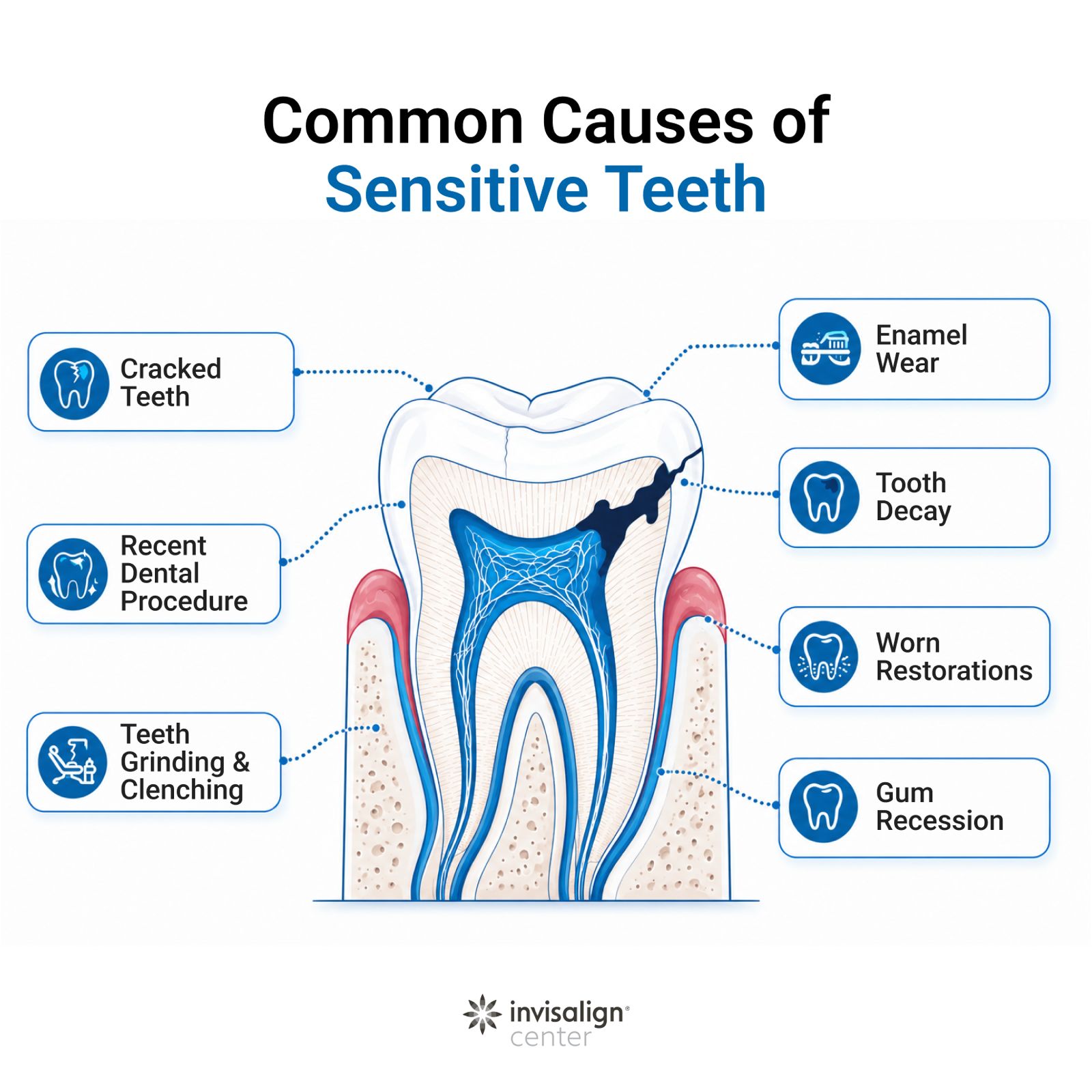
Beneath the hard enamel surface of a tooth lies a layer called dentine. Dentine contains microscopic channels known as dentinal tubules, which lead towards the nerve at the centre of the tooth. When enamel and gum tissue are healthy, these tubules remain protected. As enamel wears down or root surfaces become exposed, heat, cold, sugar, and acidic foods can reach them more easily, producing the short, sharp sensation most people associate with sensitive teeth.
There is an important difference between an occasional twinge and a pattern that keeps returning. A single uncomfortable moment after an icy drink is not unusual. However, sensations that occur regularly or become more intense over time often indicate a change affecting the tooth or surrounding gum tissue.
Common Signs of Tooth Sensitivity
Typical signs include a sharp response when eating or drinking, particularly with:
Cold foods
Hot drinks
Sweet foods
Acidic foods
Cold air
Some people also notice soreness during brushing or flossing.
The way these sensations present can offer useful clues about what may be causing them. Symptoms affecting one specific tooth are often associated with a cavity, a crack, a worn filling, or another localised concern. When multiple teeth are affected, the source is more commonly linked to enamel wear, gum recession, whitening-related changes, or grinding that impacts several surfaces at once.
What Causes Sensitive Teeth?
Several factors can contribute to dentine exposure, and more than one may be present at the same time.
Enamel Wear
Enamel naturally thins with age, but the process can accelerate over time. Acid erosion from food and drink, brushing with too much force, and abrasive oral care habits all contribute. Frequent exposure to acidic foods and drinks can also speed up enamel erosion. Daily lemon water, apple cider vinegar drinks, and similar wellness habits can be more damaging to enamel than many people realise, despite their perceived health benefits.
Gum Recession
When gum tissue pulls back, it exposes the root surface, which has no enamel covering to begin with. Periodontal disease and age-related changes are common contributors. As more of the root surface becomes exposed, hot, cold, and sweet foods may trigger sharper sensations because this area lacks enamel protection.
Tooth Decay and Cavities
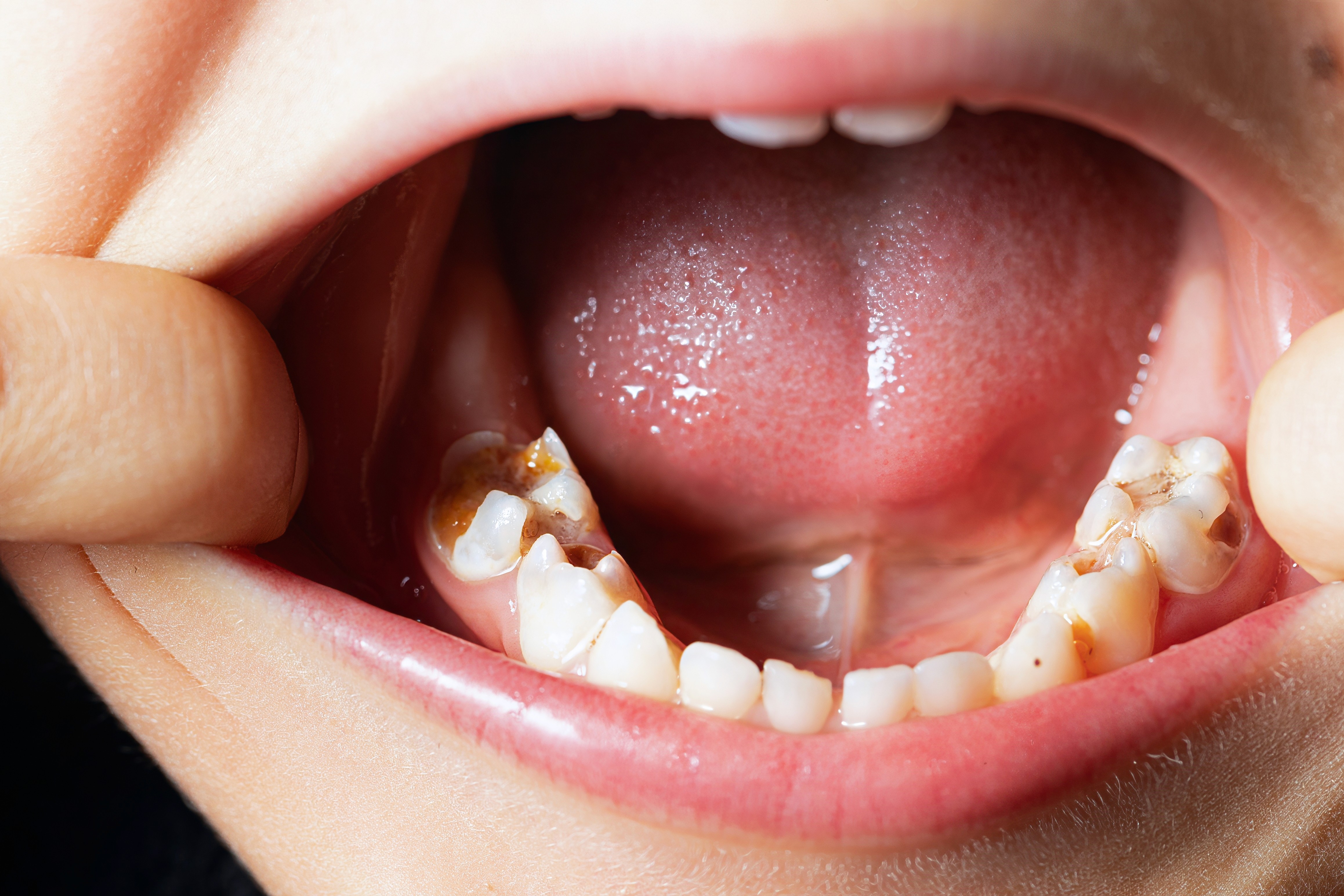
Dental sensitivity can be an early indicator of decay, sometimes appearing before any noticeable pain develops. This is why recurring symptoms should not automatically be dismissed as a minor concern.
Cracked Teeth and Worn Restorations
Hairline fractures, worn fillings, ageing crowns, and decay forming around the edges of an existing restoration can all make the inner structures of the tooth more vulnerable to hot and cold triggers and biting forces.
Teeth Grinding and Clenching
Bruxism, often linked to stress, gradually wears down enamel through repeated clenching and grinding forces. Many people are unaware they grind their teeth, particularly if it happens during sleep. Where grinding is suspected, TMJ treatment may help address the associated muscular and joint strain alongside the effects on the teeth.
Recent Dental Procedures
Temporary discomfort can also follow routine dental care, including professional cleanings, fillings, orthodontic adjustments, and whitening. This is usually short-lived. Tartar can sometimes sit over an area of exposed root, masking sensitivity that becomes more noticeable once that tartar is removed during a cleaning. In most cases, it improves within a short period as the teeth adjust.
Why Are Sensitive Teeth Common in Dubai?
Certain local conditions can make tooth sensitivity more noticeable for residents of the UAE.
Climate and Lifestyle Factors
Moving repeatedly between air-conditioned interiors and intense outdoor heat exposes teeth to frequent shifts in temperature. For people with existing enamel wear or gum recession, this contrast can make symptoms more noticeable.
Dietary Habits
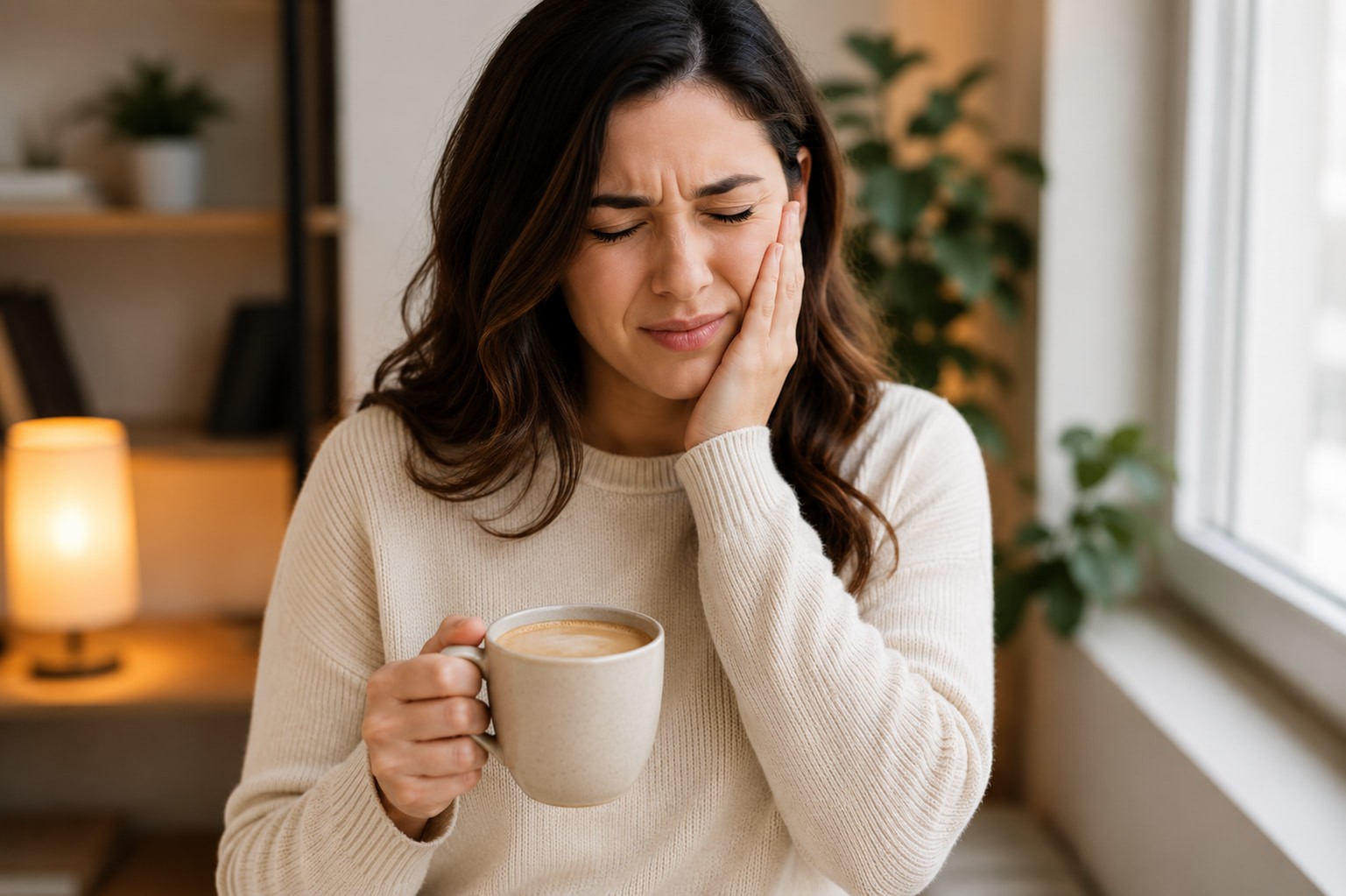
A culture built around coffee, iced beverages, citrus drinks, and carbonated drinks means more frequent exposure to both hot and cold triggers as well as acidic ingredients, all of which can contribute to sensitive teeth.
Whitening Trends
Both professional whitening and over-the-counter products are widely used across the city. Whitening treatments can temporarily increase sensitivity to hot and cold foods and drinks, particularly in the days immediately following treatment. This usually improves on its own.
With professional teeth whitening, the concentration and application process are carefully controlled to minimise unnecessary irritation. Unsupervised or prolonged use of over-the-counter products can increase the likelihood of prolonged discomfort or more pronounced symptoms.
Can Tooth Sensitivity Go Away on Its Own?
Some cases are temporary. Discomfort following whitening treatment or a professional cleaning often settles within a few days as the teeth and surrounding tissues adjust.
Other causes are far less likely to improve without treatment. Decay, gum recession, cracks, and damaged restorations do not repair themselves, even if symptoms come and go. A tooth may feel normal for a period while the underlying condition continues to progress, which is why temporary relief does not always indicate that the issue has resolved.
Managing Tooth Sensitivity at Home
Home measures can help manage day-to-day discomfort, though they do not address every underlying cause.
Desensitising toothpaste: These formulations work either by reducing the nerve's response to triggers or by helping seal the dentinal tubules. Improvement is usually gradual rather than immediate, so consistent use is important. Follow the product instructions carefully, as some formulations work best when left on the teeth briefly after brushing.
Use a soft-bristled toothbrush: This helps minimise unnecessary wear on the tooth surface whilst reducing irritation to the gums.
Limit acidic foods and drinks: Citrus fruits, fizzy drinks, and sports drinks are common contributors and can gradually increase enamel erosion over time.
Avoid over-brushing: Good technique is more important than brushing harder. Excessive force can accelerate wear and contribute to gum recession.
Consider a night guard: For symptoms linked to grinding, a night guard treatment can help reduce the pressure and wear that accumulate overnight.

When Should You See a Dentist for Sensitive Teeth?
Certain signs suggest that home measures alone may not be enough.
Sensitivity That Persists
Symptoms lasting more than several days, or sensations that continue to return, may indicate an underlying issue that is unlikely to improve through home care alone.
Sensitivity Affecting a Specific Tooth
Symptoms isolated to one tooth are often associated with a crack, decay, or a failing restoration rather than general wear affecting multiple teeth.
Swelling, Bleeding Gums, or Visible Damage
These changes can indicate an underlying dental or gum condition that requires further investigation.
Difficulty Eating or Drinking
If hot, cold, sweet, or acidic foods regularly affect your ability to eat or drink comfortably, the source of the discomfort should be assessed.
How Dentists Diagnose the Cause of Tooth Sensitivity
Identifying the reason behind tooth sensitivity usually involves several complementary assessments.
Clinical examination: Your dentist checks for enamel wear, gum recession, visible damage, and the condition of existing restorations. These findings often provide the first clues about what may be contributing to your symptoms.
Digital imaging: X-rays help reveal hidden decay, root-related concerns, bone loss, and other structural changes that cannot be seen during a visual examination.
Bite assessment: This evaluates signs of grinding, clenching, and uneven bite forces that may be placing excessive pressure on certain teeth.
Vitality testing: Gentle tests help assess nerve health and determine whether inflammation or internal damage may be affecting the tooth.
Together, these assessments allow dentists to identify the cause more accurately and recommend treatment based on the specific findings rather than approaching all cases in the same way.
Professional Treatment Options for Sensitive Teeth
Treatment depends on what is contributing to the symptoms in the first place. Many people search for a single sensitive teeth cure, but lasting improvement usually comes from identifying the specific cause and addressing it directly rather than approaching all cases in the same way.
Fluoride Treatments
Fluoride helps strengthen enamel and reduce how readily teeth respond to temperature changes and acidic foods or drinks. It is often recommended for mild to moderate enamel wear where there is no significant structural damage, such as a crack or failing restoration. Professional applications use higher concentrations than most over-the-counter products, which can provide more noticeable and longer-lasting benefits.
Desensitising Sealants
These treatments create a protective coating over exposed root surfaces or areas of worn enamel, helping limit contact between external triggers and the dentinal tubules beneath. They are often used for localised areas of exposure rather than widespread wear affecting multiple teeth. Because the coating protects vulnerable surfaces directly, relief is often noticeable within a relatively short period.
Dental Bonding
Bonding uses a tooth-coloured material to cover exposed root surfaces or areas affected by enamel loss, restoring protection where it has been reduced. It is commonly recommended for visible recession or wear affecting specific teeth rather than the entire mouth. In addition to reducing discomfort from hot, cold, or sweet triggers, bonding can improve the overall appearance of the treated area.
Gum Treatment
Where gum recession or periodontal disease is contributing to the symptoms, treatment focuses on improving gum health rather than the tooth itself. This approach is particularly relevant when exposed root surfaces are responsible for the discomfort. By managing inflammation and slowing further recession, treatment helps reduce the amount of root surface left vulnerable over time.
Replacing Worn Fillings or Restorations
A filling or restoration that has worn down, cracked, or developed a gap around its edge may allow temperature changes, pressure, and bacteria to affect the tooth more easily. Replacing the restoration restores its protective seal and helps prevent further irritation. In some cases, a more extensive restoration such as a dental crown may be recommended when the remaining tooth structure requires additional protection. This option is often considered when symptoms are isolated to a tooth with existing dental work rather than affecting several teeth.

Root Canal Treatment
Root canal treatment is typically considered when the nerve inside the tooth has become inflamed or damaged, often due to advanced decay, a deep crack, or a long-standing restoration failure. It is generally reserved for cases where symptoms have progressed beyond occasional sharp sensations and become more persistent or severe. By removing the affected nerve tissue, the procedure addresses the source of the pain rather than simply reducing its intensity.
Can Sensitive Teeth Be Prevented?
While not every contributing factor can be avoided, several habits can help reduce the likelihood of developing sensitive teeth:
Maintain a consistent oral hygiene routine to help keep teeth and gums healthy.
Attend regular dental check-ups so early signs of wear, decay, or gum problems can be identified promptly.
Use a soft-bristled toothbrush to minimise unnecessary wear on enamel and gum tissue.
Limit acidic foods and drinks that can gradually erode protective enamel over time.
Wear a night guard if one has been recommended to help protect against grinding-related wear.
Address minor dental concerns early before they develop into more significant issues.
Follow whitening instructions carefully to minimise unnecessary irritation during treatment.
Finding the Right Solution for Sensitive Teeth
Sensitive teeth can develop for many different reasons, including enamel wear, gum recession, decay, cracks, and grinding. While the symptoms may feel similar, the most effective approach depends on identifying what is causing them in the first place.
Measures such as desensitising toothpaste and reducing acidic foods may help improve day-to-day comfort, but lasting improvement often depends on addressing the factor responsible for the changes affecting the tooth or surrounding gum tissue.
Frequently Asked Questions
Can daily whitening toothpastes make my teeth more sensitive?
Yes. Many whitening toothpastes rely on abrasive ingredients to remove surface stains. Over time, frequent use can contribute to enamel wear, making the underlying dentine more vulnerable to temperature changes and certain foods. If sensitivity develops, switching to a desensitising toothpaste may help.
Why do my teeth feel worse at night or when I wake up?
Yes, this can be linked to teeth grinding, clenching, or reduced saliva flow during sleep. Grinding places additional pressure on teeth, whilst a dry mouth can leave them more vulnerable to temperature changes and irritation. Morning discomfort may sometimes be associated with tooth sensitivity and is worth discussing with a dentist if it persists.
Can a sinus infection affect how my upper teeth feel?
Yes. The roots of the upper back teeth sit close to the maxillary sinuses. When these sinuses become inflamed or congested, the pressure can sometimes be felt in several upper teeth at once. This can mimic tooth sensitivity, particularly when symptoms occur alongside nasal congestion or facial pressure.
Can vitamin deficiencies contribute to tooth sensitivity?
In some cases, nutritional deficiencies may affect oral health indirectly. Low levels of nutrients such as vitamin D and calcium can weaken the structures that support healthy teeth and gums. However, persistent sensitivity is more commonly associated with enamel wear, gum recession, decay, or structural damage.
Why do my teeth feel more sensitive during pregnancy?
Hormonal changes during pregnancy can increase gum inflammation and make gum tissue more reactive to plaque. This may lead to temporary sensitivity, particularly if gum recession or irritation exposes areas of the tooth that are normally protected. Maintaining good oral hygiene and attending regular dental check-ups can help reduce the likelihood of ongoing discomfort.

Written by
Dr. Amelia Voss
General Dentist
Dr. Amelia Voss holds a Bachelor of Dental Surgery (BDS) from the University of Bristol, United Kingdom, and gained experience within London's private hospital sector before relocating to Dubai. She is a member of the Royal College of Surgeons Edinburgh and is currently undertaking further specialisation in fixed and removable prosthodontics through King's College London. Dr. Voss has a particular interest in preventative dentistry and long-term oral health.


