
Key Takeaways
Gingivitis is the earliest stage of gum disease and can often be reversed with prompt treatment and good oral hygiene.
If left untreated, it may progress to periodontitis, which affects the supporting structures around the teeth and cannot be fully reversed.
Bleeding gums, persistent bad breath, recession, and loose teeth are common warning signs that should not be ignored.
Smoking, plaque build-up, dry mouth, and certain health conditions can all increase the risk of developing periodontal problems.
Early diagnosis and professional care help limit long-term damage and support healthier gums over time.
Gum disease rarely announces itself with pain. It often begins with subtle changes that are easy to overlook, a little blood in the sink after brushing or mild soreness along the gum line. Left unaddressed, what starts as a reversible irritation can develop into a condition that permanently affects the structures supporting your teeth. Recognising these early changes and acting on them promptly can make a significant difference to your long-term oral health.
What Is Gum Disease?
The tissues surrounding the teeth can become inflamed when bacterial plaque accumulates along and beneath the gum line. This process is known as gum disease. Healthy gums are firm, pale pink, and sit snugly against the teeth. As plaque builds up, the body responds with redness and swelling as it attempts to fight off bacteria, which is often first noticed as tenderness or bleeding.
Plaque forms continuously on the teeth and, if not removed through regular brushing and flossing, can begin irritating the gums within days. Because these early changes are subtle and rarely painful, many people remain unaware of the problem until it has become more established.
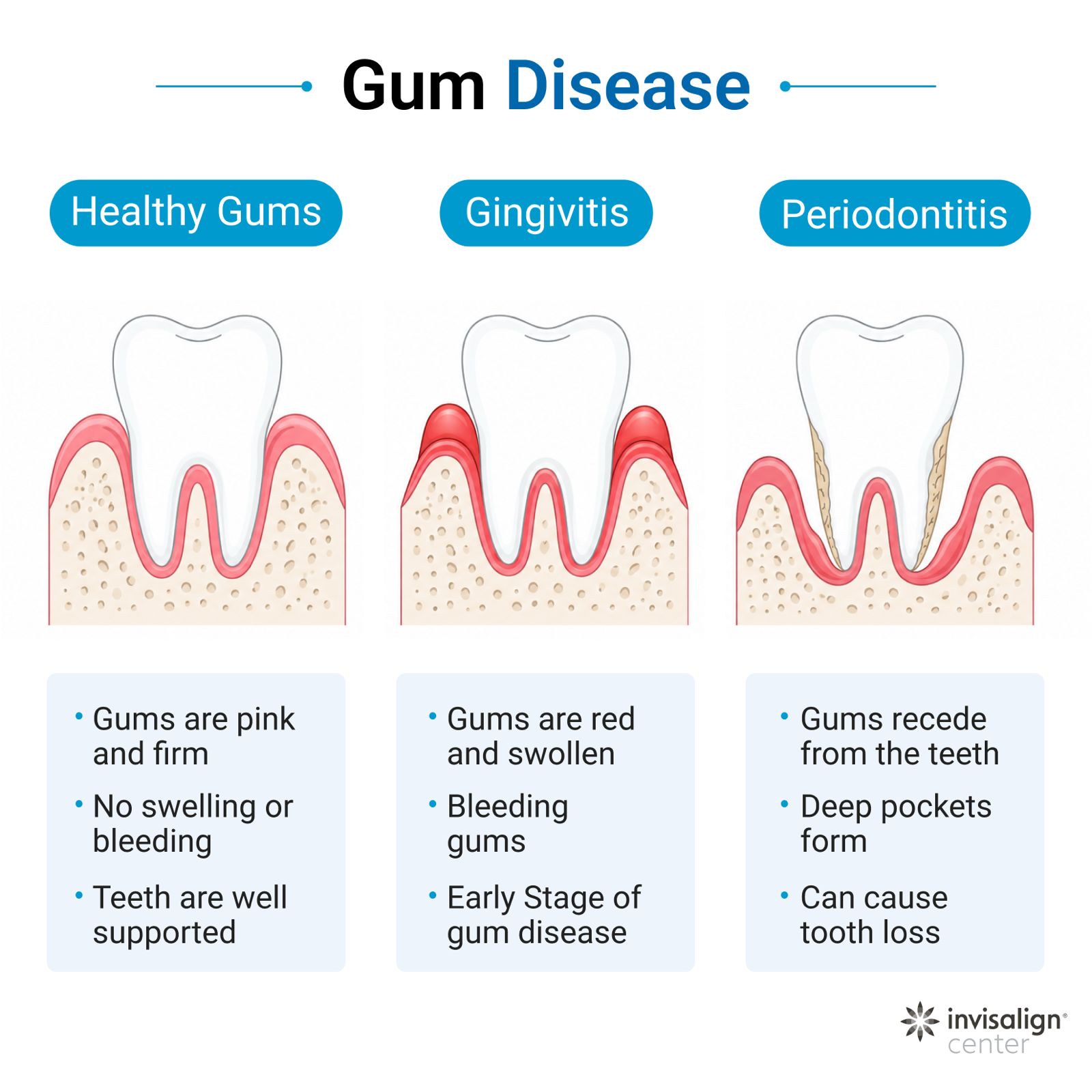
The Two Stages of Gum Disease
Gum disease does not develop all at once. It typically progresses through two stages, each affecting the supporting tissues around the teeth differently and requiring a different approach to treatment.
Gingivitis: The Reversible Stage
Gingivitis is the earliest stage of gum disease, where inflammation is limited to the gums. The bone and connective structures supporting the teeth remain unaffected. Common signs include redness, swelling, bleeding during brushing or flossing, and persistent bad breath that does not improve with mouthwash alone.
Because no permanent damage has occurred, gingivitis responds well to treatment. Professional cleaning combined with improved daily oral hygiene can allow the gums to heal and return to a healthy state within a matter of weeks.
Periodontitis: The Irreversible Stage
Periodontitis develops when inflammation extends beyond the gums and affects the bone and connective tissues supporting the teeth. As these structures become damaged, the body's ability to restore them is limited.
This process often begins when plaque remains undisturbed along the gum line, allowing the gums to separate slightly from the tooth surface. Over time, deeper pockets form where bacteria accumulate, increasing the risk of bone loss and tooth mobility.
Once supporting bone has been lost, it does not naturally regenerate. Unlike gingivitis, periodontitis cannot be fully reversed. Treatment therefore focuses on controlling the disease, limiting further damage, and preserving the long-term stability of the teeth.
How Long Does It Take for Gingivitis to Become Periodontitis?
There is no fixed timeline, as progression varies considerably from one person to another. Factors such as oral hygiene habits, smoking, diabetes, genetic predisposition, and the frequency of dental check-ups can all influence how quickly the disease advances.
For some people, this process may take years, while others with multiple risk factors may experience it much sooner. This variation is one reason regular dental monitoring is so important, as it allows early changes to be identified before more significant damage occurs.
What Causes Gum Disease?
Several factors can contribute to gum disease, although bacterial plaque remains the primary trigger.
Plaque and Tartar Build-Up
A sticky bacterial film forms continuously on the teeth as bacteria interact with food particles and saliva. Known as plaque, it is the primary cause of gum disease. If not removed regularly, it hardens into tartar, a calcified deposit that cannot be removed through brushing alone.

Smoking and Tobacco Use
Reduced blood flow to the gums is one of the reasons smokers face a higher risk of periodontal problems. Slower healing allows damage to progress further before becoming apparent, while suppressed redness and bleeding can mask early warning signs.
Health and Lifestyle Factors
Not every case develops for the same reason. Conditions such as diabetes, hormonal changes during pregnancy or menopause, ongoing stress, certain medications, dry mouth, and nutritional deficiencies can all increase susceptibility.
Inadequate Oral Hygiene
Daily plaque removal plays a critical role in protecting the gums. When brushing, flossing, and professional cleanings are inconsistent, bacterial deposits accumulate more easily, particularly in hard-to-reach areas.
Common Signs of Gum Disease
Many of the early signs are easy to overlook, particularly when they occur without pain. Common indicators include:
Bleeding during brushing or flossing
Red or swollen gums
Gum recession
Tooth sensitivity caused by exposed roots
Discomfort when chewing
Loose teeth in advanced cases
Changes in bite alignment
Why Bleeding Gums Should Never Be Ignored
Healthy gums do not typically bleed during brushing or flossing. When bleeding occurs, it is often one of the earliest signs of inflammation and may appear long before other symptoms become noticeable. Although occasional bleeding is easy to dismiss, it should not be considered a normal part of oral hygiene, particularly when it happens repeatedly or without an obvious cause.
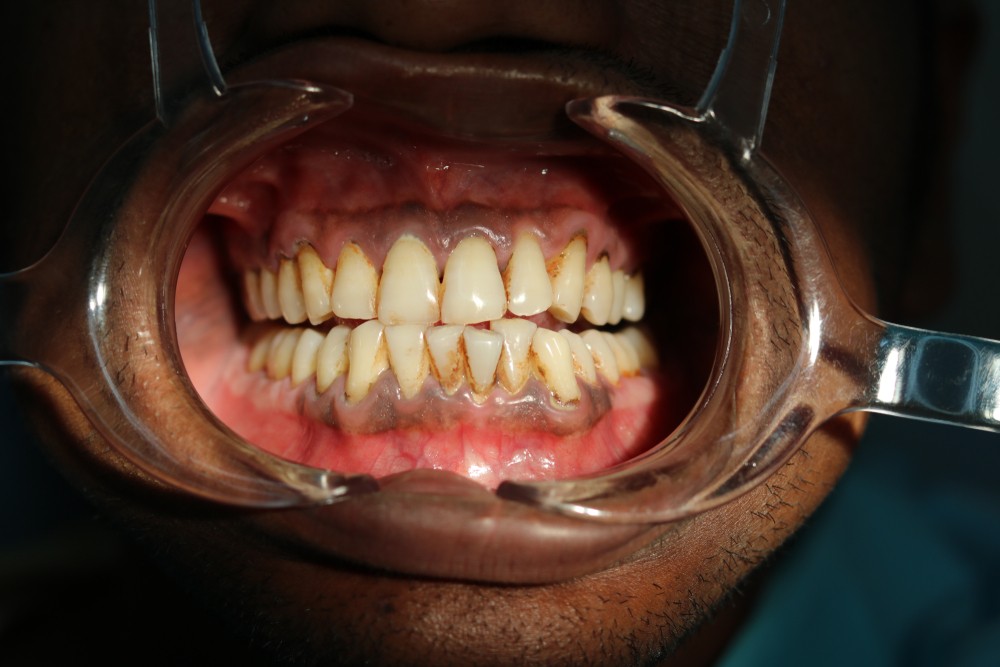
Why Gum Disease Often Goes Unnoticed
The early stages are usually painless, allowing changes to develop gradually without attracting much attention. Unlike a cavity or toothache, which often causes obvious discomfort, gum disease can progress quietly for long periods. As a result, many people remain unaware of the problem until more visible signs, such as recession, persistent bad breath, or loose teeth, begin to appear.
Why Gum Disease Is Common in Dubai
While the underlying causes remain the same, several local factors can increase the likelihood of developing gum disease or delay its detection.
Smoking and Shisha Culture
The popularity of shisha and smoking in the region contributes to higher rates of periodontal disease. As with cigarettes, reduced blood flow can mask visible signs such as redness and bleeding, allowing the problem to appear less severe than it actually is while damage continues beneath the surface.
Busy Lifestyles and Delayed Dental Visits
Dubai's fast-paced professional environment, combined with frequent travel, often leads preventive dental care to be postponed. When routine check-ups are delayed, warning signs that might otherwise be identified early can go unnoticed, allowing the condition more time to develop between appointments.
Dry Mouth and Dehydration
Dubai's climate, combined with long hours spent in air-conditioned environments, can contribute to dehydration and lower saliva production. Saliva helps wash away food debris and limit bacterial accumulation along the gum line. When saliva flow decreases, this natural protection weakens, making plaque build-up around the gums more likely.
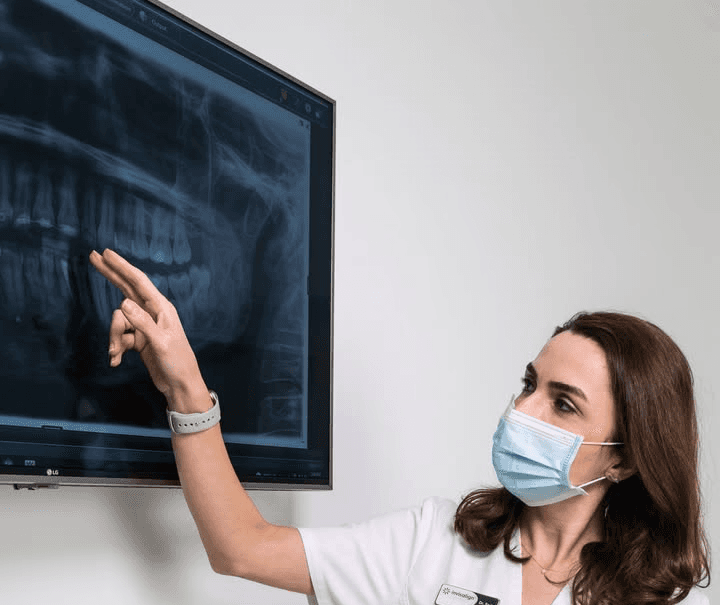
How Dentists Diagnose Gum Disease
Diagnosing gum disease involves more than identifying visible symptoms. Several assessments help determine both its severity and the structures involved.
Clinical Examination
The process typically begins with a visual assessment of the gums, looking for swelling, recession, and accumulations of plaque or tartar that may indicate underlying concerns.
Periodontal Pocket Measurements
A periodontal probe is used to measure the space between the teeth and gums. Healthy gums generally have shallower pockets, while deeper measurements can suggest that the disease has progressed beyond gingivitis. These readings also provide a useful baseline for monitoring changes over time.
Digital X-Rays
Images taken beneath the surface help assess the bone supporting the teeth and reveal damage that cannot be identified through visual examination alone.
Tooth Mobility Assessment
Evaluating how much a tooth moves can help identify more advanced involvement and provide additional insight into the condition of the supporting structures.
Together, these assessments provide a clearer understanding of the extent of the problem and help guide appropriate treatment decisions.
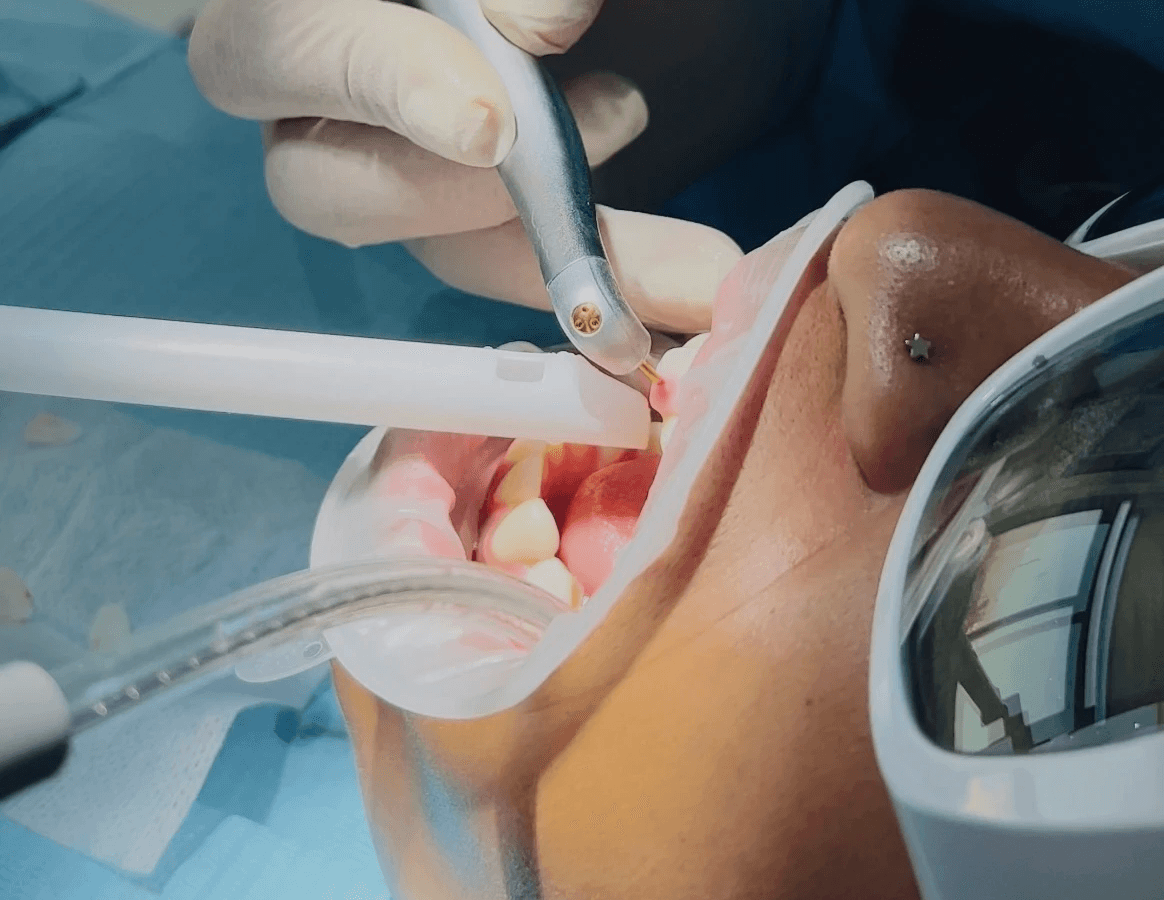
Treatment Options for Gum Disease
Treatment depends on how far the disease has progressed. While early cases can often be managed with relatively simple interventions, more advanced stages may require ongoing care to keep the condition stable.
Professional Dental Cleaning
For gingivitis and early inflammation, professional teeth cleaning removes built-up plaque and tartar from areas that cannot be adequately cleaned at home. This helps reduce irritation, supports healing, and lowers the risk of the condition progressing further.
Scaling and Root Planing
For early to moderate periodontitis, scaling and root planing involves cleaning below the gum line to remove bacterial deposits, followed by smoothing the root surfaces to encourage the gums to reattach. Local anaesthesia may be used where deeper cleaning is required to keep the process comfortable.
Ongoing Periodontal Maintenance
Once treatment has been completed, regular periodontal maintenance helps monitor gum health and reduce the likelihood of recurrence. Patients with a history of periodontitis are often advised to attend more frequent dental check-ups, allowing any changes to be identified and managed at an earlier stage.
Can Gum Disease Affect More Than Your Gums?
While the condition begins in the mouth, its effects are not always limited to oral health.
The Link Between Gum Disease and Diabetes
The relationship between periodontal disease and diabetes works in both directions. Ongoing inflammation can make blood sugar management more difficult, while poorly controlled diabetes increases the risk of developing periodontal problems. Because of this connection, managing one often supports better control of the other.
Chronic Inflammation and Overall Health
The effects of chronic inflammation are not always confined to a single area of the body. When gum tissues remain irritated over a prolonged period, it can contribute to a broader inflammatory burden that may affect overall wellbeing. Consistent management helps protect long-term oral function and supports better health more broadly.

How to Protect Your Gums Long-Term
Long-term gum health is shaped by everyday habits and regular preventive care. Patients are encouraged to:
Brush twice daily using proper technique
Clean between teeth every day
Attend regular dental check-ups
Stop smoking and tobacco use
Stay hydrated
Manage underlying health conditions
Address bleeding gums promptly
Follow professional recommendations after treatment
Brushing alone cannot reach every surface of the teeth. Floss, interdental brushes, or water flossers help remove plaque from areas a toothbrush cannot access, supporting a more thorough oral hygiene routine.
Healthy Gums Are Easier to Protect Than Restore
Gum disease often develops gradually, which is why many people do not realise there is a problem until more noticeable changes begin to appear. While gingivitis can often be addressed successfully, the effects of periodontitis are far more difficult to reverse once the supporting structures around the teeth have been affected.
Paying attention to early warning signs and seeking timely advice can help prevent more extensive treatment later on. A dental assessment provides clarity on the cause, stage, and most appropriate next steps for protecting long-term oral health.
Frequently Asked Questions
Is gum disease contagious?
Not directly, but the bacteria associated with gum disease can be transferred through saliva. Sharing utensils, drinking from the same cup, or kissing may expose another person to these bacteria. However, developing gum disease depends on additional factors such as oral hygiene, overall health, and genetic susceptibility.
Can I still get invisalign or dental implants after treatment?
Yes. Once gum disease has been successfully treated and is being managed effectively, Invisalign treatment and dental implants are often still suitable options. Healthy gums and adequate bone support are important for long-term success, so your dentist will first ensure the condition is stable before proceeding.
Is gum disease hereditary?
Genetics can influence how susceptible someone is to periodontal disease, but they do not determine whether it will develop. Daily oral hygiene, smoking habits, general health, and regular dental care all play a significant role in protecting the gums over time.
Can stress increase the risk of this disease?
Yes. Stress can affect the body's immune response, making it harder to control inflammation and fight infection effectively. People experiencing prolonged stress may also be more likely to neglect oral hygiene habits, grind their teeth, or smoke, all of which can contribute to periodontal problems.
Can gingivitis cause noticeable bad breath?
Yes. Inflammation and bacterial build-up along the gum line can produce an unpleasant odour that may persist even after brushing. Because gingivitis often develops without pain, persistent bad breath can sometimes be one of the earliest signs that something is wrong.

Written by
Dr. Sufian Abusalim
Implantology Privilege, Consultant Periodontics
Dr. Sufian Abusalim is a consultant periodontist and implantologist with advanced training in Periodontics and Implantology from Boston University, USA. With extensive experience in dental implants, periodontal care, and oral rehabilitation, he is recognised as a speaker, author, and educator within the field. He is particularly known for his expertise in implantology, periodontal treatment, and complex restorative cases.


