
Key Takeaways
Plaque build-up, infection, hormonal changes, poorly fitting appliances, and impacted wisdom teeth are among the most common causes of gum swelling.
Minor irritation may improve with better oral hygiene, but persistent changes often require professional assessment and treatment.
Bleeding, pus, facial swelling, or severe pain should not be ignored, as these can indicate a more significant underlying problem.
Early assessment helps identify the cause, guide appropriate treatment, and reduce the risk of long-term complications.
Swollen gums are a common concern and can develop for a variety of reasons, ranging from minor irritation to conditions that require professional attention. While the change may seem temporary at first, persistent puffiness, tenderness, or bleeding often signals that something within the mouth needs closer examination.
Understanding what may be contributing to them, and knowing when to seek advice, can help prevent more significant problems from developing over time.
What Are Swollen Gums?
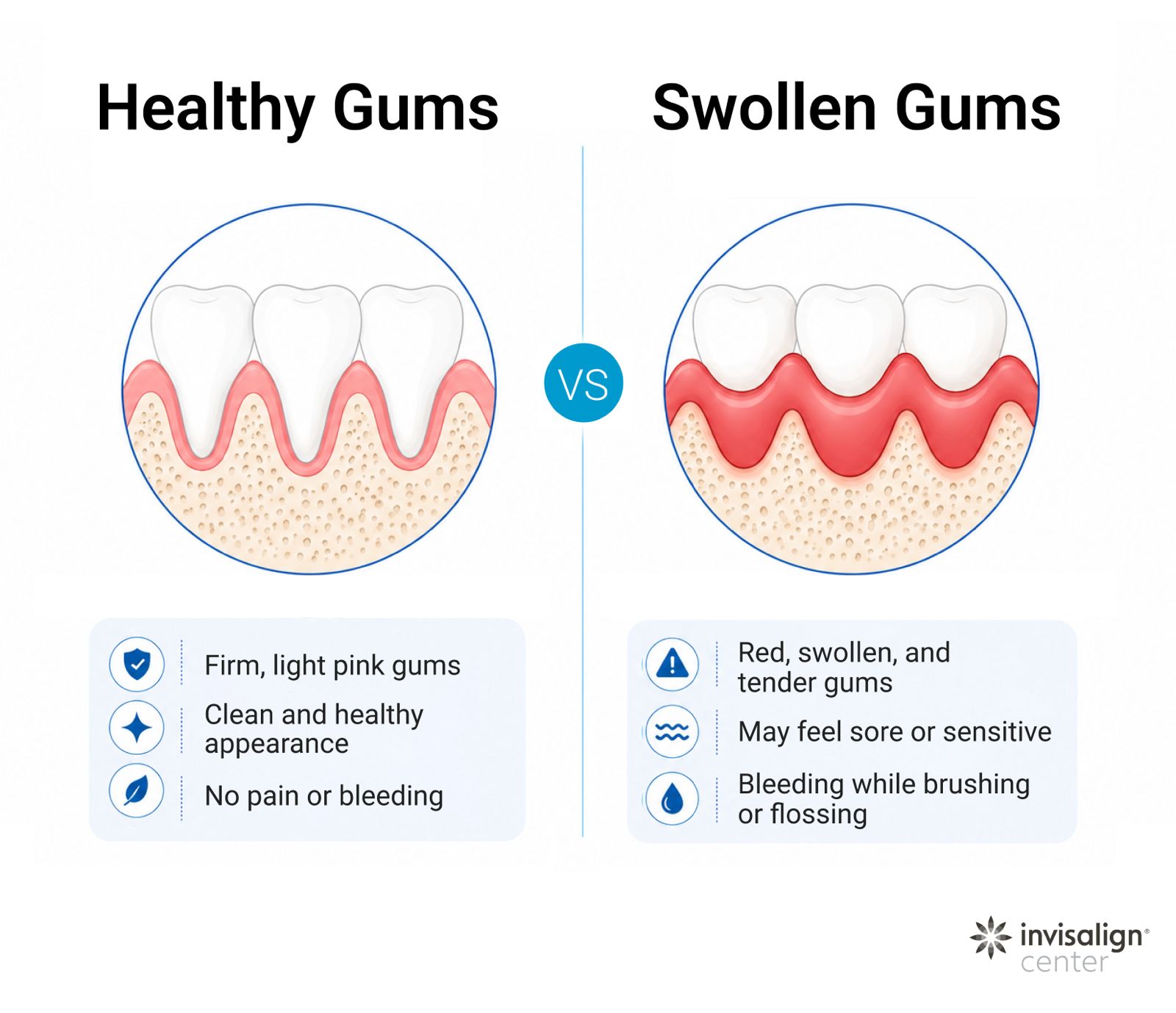
Healthy gums sit firmly against the teeth with a pale pink, even appearance. When the surrounding tissue becomes irritated or affected by bacteria, it can become puffy, change colour, and feel tender to the touch.
These changes may be limited to one or two teeth or affect a larger area of the mouth. Redness, bleeding during brushing, and discomfort when eating are among the most common signs people notice.
Although swelling does not always indicate a serious problem, it is often one of the earliest signs that something is affecting gum health. Because it can appear before significant pain develops, recognising these changes early often allows for simpler and more effective treatment.
Common Causes of Swollen Gums
Several different conditions can contribute to swollen gums.
Plaque Build-Up and Gingivitis
The most common trigger is bacterial plaque accumulating along the gum line. This triggers an inflammatory response that, if left unaddressed, can progress over time. Recognising the early signs of gum disease at this stage can help prevent more significant problems from developing.
Periodontitis and Advanced Gum Disease
When gingivitis progresses, the inflammation can extend beyond the surface and begin affecting the structures supporting the teeth. As the condition advances, it may be accompanied by recession, persistent puffiness, or teeth that feel less stable than before.
Dental Infections and Abscesses
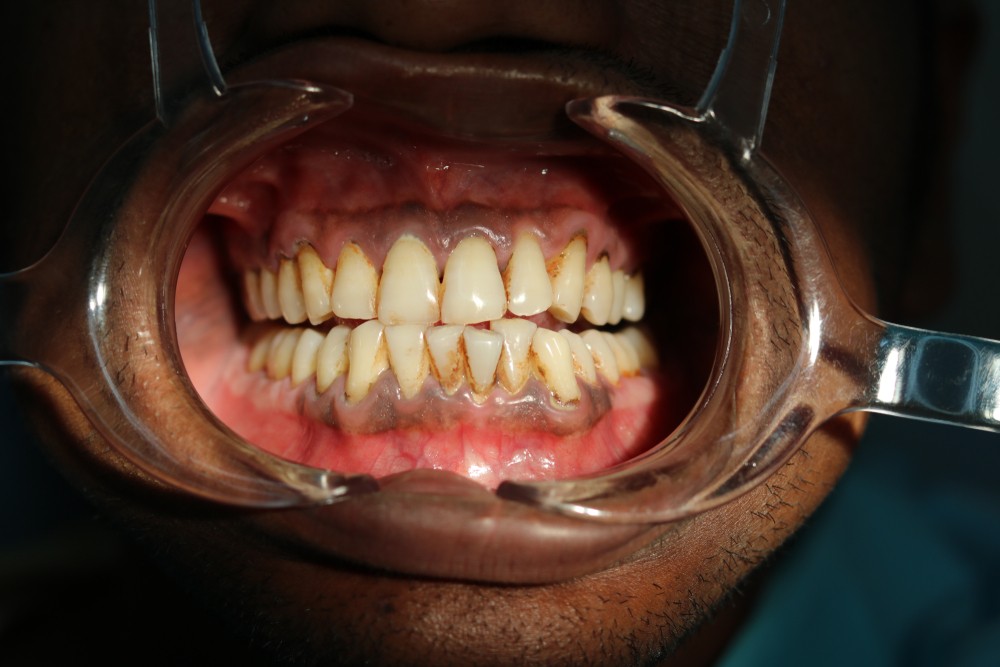
An infection around a tooth root or within the surrounding gums often causes more localised enlargement, sometimes accompanied by pus discharge, an unpleasant taste, or visible facial swelling. These cases typically require prompt attention.
Signs an Infection May Be Present
Persistent or worsening pain
Pus discharge around the tooth or gums
An unpleasant taste in the mouth
Persistent bad breath
Facial swelling
Fever or feeling unwell in more severe cases
Two common forms are a periapical abscess, which originates inside the tooth due to deep decay or nerve infection, and a periodontal abscess, which develops within the gums or surrounding pocket. Trapped food or foreign debris beneath the gum line can also trigger similar irritation in a specific area.
Hormonal Changes, Medications, and Nutritional Factors
Changes during pregnancy, puberty, and menopause can make the gums more reactive to plaque, even when oral hygiene habits remain unchanged. Certain medications may also contribute to gum enlargement, a condition known as drug-induced gingival overgrowth. In addition, deficiencies in vitamin B or vitamin C can affect the body's ability to maintain healthy gum tissue.
Poorly Fitting Dental Appliances
Dentures, retainers, and other orthodontic appliances can trap plaque or create repeated friction during daily wear. Over time, this may lead to localised inflammation, particularly when appliances sit close to the gum line.
Impacted Wisdom Teeth
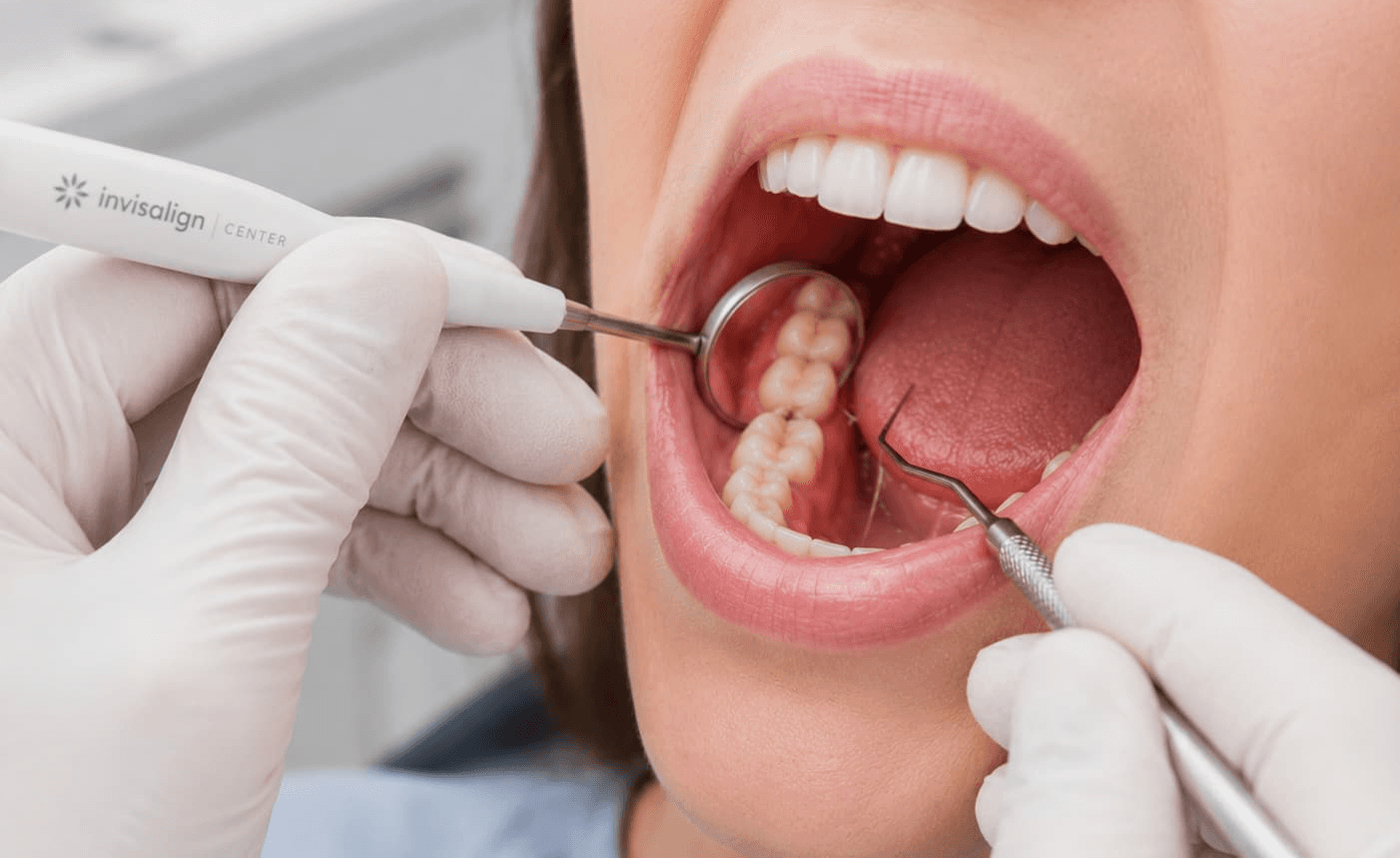
A partially erupted wisdom tooth can create a flap where bacteria become trapped beneath the surface. This often leads to irritation and swelling at the back of the mouth and may require wisdom tooth treatment if the problem persists.
Can Swollen Gums Go Away on Their Own?
Some cases improve once the source of irritation is removed, while others continue to worsen without professional care. Minor irritation, hormonal fluctuations, or food trapped beneath the gum line may settle with improved oral hygiene and time.
More persistent issues, such as gum disease, abscesses, and impacted wisdom teeth, are far less likely to resolve without treatment. When puffiness, bleeding, or discomfort continues to return, it is usually a sign that a more significant issue needs attention.
Why Swollen Gums Can Be Common in Dubai
Several local lifestyle and environmental factors can make swelling more noticeable or increase the likelihood of irritation developing in the first place.
Dry Mouth and Dehydration
Moving frequently between Dubai's intense outdoor heat and heavily air-conditioned interiors can contribute to dehydration and reduced saliva production. Saliva helps wash away bacteria and protect the gums, so lower flow can allow plaque and debris to accumulate more easily.
Smoking and Shisha Use
Reduced blood flow is one reason tobacco users face a higher risk of periodontal problems. Nicotine causes blood vessels in the gums to constrict, which can mask visible warning signs such as bleeding or redness. As a result, the condition may be more advanced than it appears during a routine check.
Busy Lifestyles and Delayed Dental Visits
Frequent travel and demanding work schedules can cause preventive care to be postponed. Concerns that would otherwise be straightforward to manage may have more time to progress before they are identified and treated.
How Dentists Diagnose the Cause of Swollen Gums
Because several conditions can produce similar symptoms, the assessment focuses on determining what is contributing to the swelling rather than relying on appearance alone.
Clinical Examination
A dentist will assess the location and extent of any puffiness alongside the overall condition of the gums, checking for plaque, tartar, and visible signs of irritation. Whether the changes are confined to one area or spread across multiple teeth often provides important clues about what may be contributing to the changes.
Periodontal Assessment
A periodontal probe measures the space between the tooth and surrounding tissue. Healthy pocket depths generally range from 1 to 3 mm, while readings of 4 mm or more may indicate deeper periodontal involvement. These measurements help distinguish between mild inflammation and changes affecting the supporting structures of the teeth, while also providing a benchmark for monitoring progress over time.
Digital X-Rays
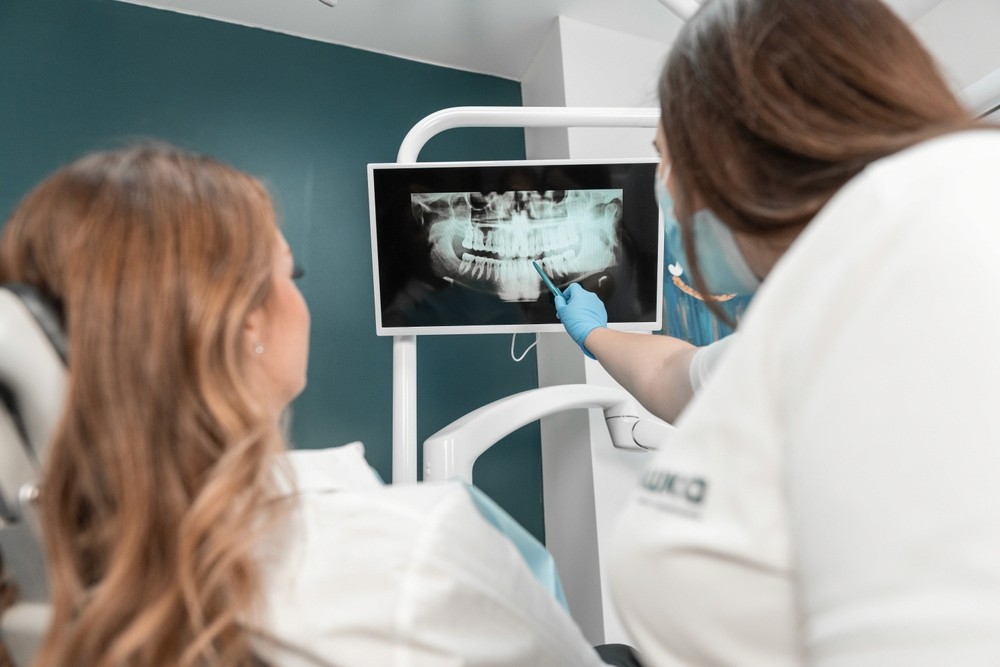
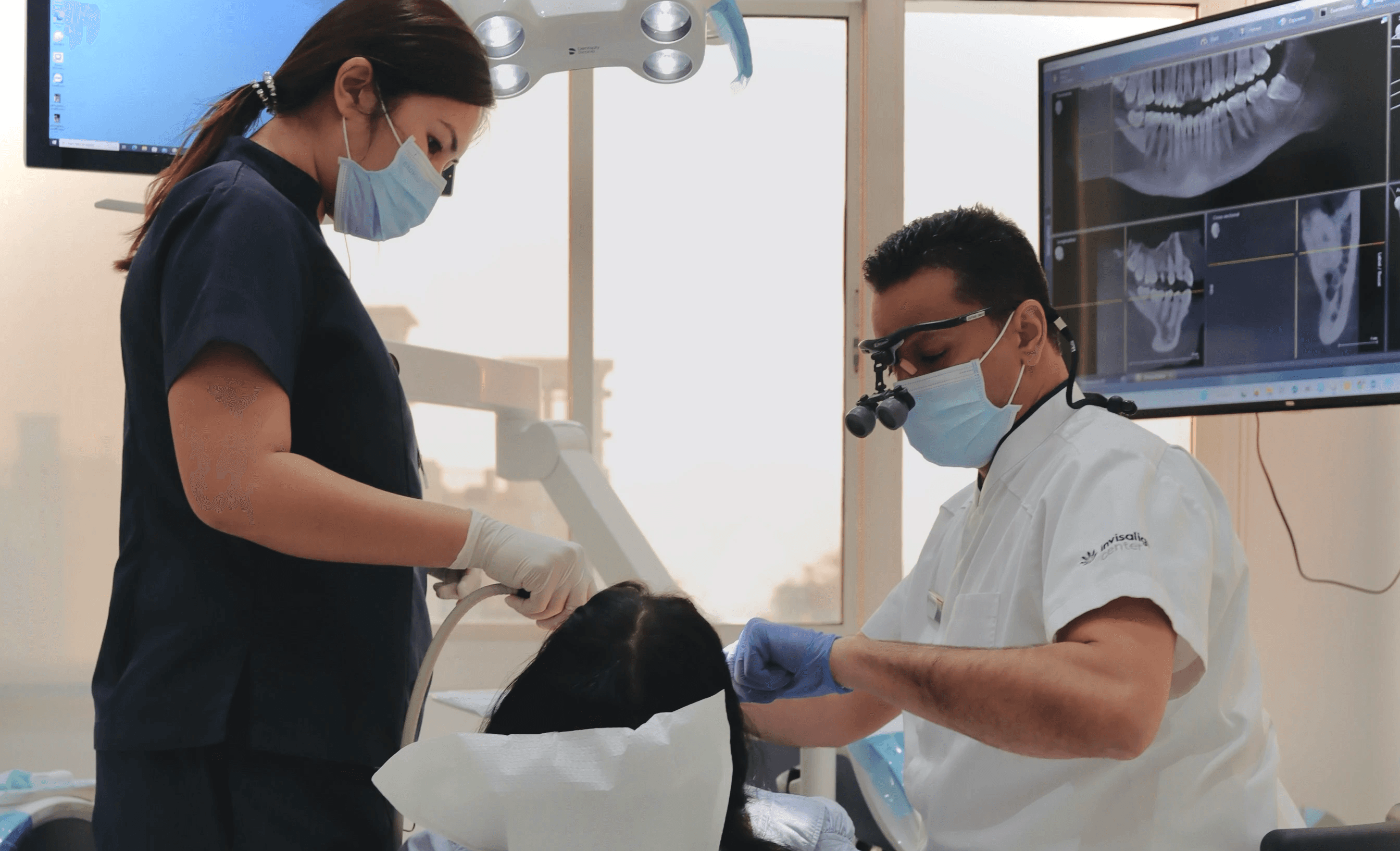
Some infections and structural concerns develop beneath the surface and cannot be identified through visual examination alone. X-rays help reveal hidden infections, bone loss, impacted wisdom teeth, and problems affecting the tooth root that might otherwise go unnoticed.
Assessing Existing Dental Work and Appliances
Crowns, fillings, retainers, and orthodontic appliances are also evaluated, as these can sometimes trap plaque or create areas of repeated irritation around the gums.
Treatment Options for Swollen Gums
Treatment depends on what is contributing to the problem.
Professional Dental Cleaning
Plaque is a soft bacterial film that forms continually on the teeth, while tartar develops when plaque hardens and bonds to the tooth surface, something brushing alone cannot remove. Professional cleaning eliminates these deposits, including those beneath the gum line, helping to reduce irritation and lower the risk of further progression.
Periodontal Treatment
For more advanced gum disease and deeper bacterial deposits, scaling and root planing (SRP) is often recommended. Scaling removes plaque and tartar from below the gum line, while root planing smooths the root surface to make it more difficult for bacteria to reattach. This allows the gums to heal more effectively and forms the foundation of most gum disease treatment.
Treatment for Dental Infection
The appropriate approach depends on where the infection originates and how far it has progressed. In some cases, drainage may be required to relieve pressure and clear the infected area before further treatment takes place. When the problem originates within the tooth, root canal treatment is often recommended to remove the infected nerve tissue and preserve the tooth. If the tooth cannot be saved, extraction may occasionally be considered as a last resort.
Adjusting or Replacing Dental Appliances
When the problem stems from a denture, retainer, or orthodontic appliance that no longer fits correctly, adjusting or replacing it is often enough to resolve the issue.
What Can You Do About Swollen Gums at Home?
Home care may help reduce discomfort, but it should not replace professional treatment when a more significant issue is present.
Helpful measures include:
Rinsing with warm salt water
Brushing gently around the affected area
Staying well hydrated
Applying a cold compress to the outside of the face if swelling is present
While these steps can provide short-term relief, they cannot remove tartar, treat an abscess, reverse advanced gum disease, or replace a professional assessment. If symptoms persist or continue to return, further investigation is usually needed.
When Should You See a Dentist?
While minor irritation may settle once the trigger is removed, certain signs are less likely to improve without professional care. It is worth arranging an assessment if you experience:
Symptoms that last more than several days: Mild irritation often improves quickly once the cause is addressed. Changes that persist are less likely to resolve on their own.
Repeated bleeding or ongoing discomfort: Bleeding during normal brushing or flossing, or discomfort that lingers rather than easing, may indicate a problem that requires attention.
Pus, facial swelling, or severe pain: These signs are more commonly associated with infection and should be assessed promptly rather than monitored at home.
Difficulty eating, speaking, or cleaning the area: When everyday activities become affected, the condition has often progressed beyond what simple home care can manage effectively.
How to Protect Your Gums Long-Term
Many causes of swelling can be reduced through consistent oral care and regular dental check-ups. Brushing twice daily, cleaning between the teeth every day, staying hydrated, and avoiding tobacco products all help support healthier gums over time.
Paying attention to early changes and seeking advice before a minor concern progresses often leads to simpler treatment and better long-term outcomes. Following professional recommendations after treatment can also help reduce the risk of recurrence.
Swollen Gums Are a Sign Worth Investigating
Swollen gums are often one of the earliest indications that something within the mouth needs attention. While some cases improve with changes to daily habits, others require professional care to prevent further complications.
The sooner changes are assessed, the easier they are often to manage. Seeking advice early not only helps protect the gums themselves but also supports better long-term oral health and comfort.
Frequently Asked Questions
Can dehydration affect your gums?
Yes. Reduced fluid intake can decrease saliva production, making it easier for plaque and bacteria to accumulate. Saliva helps protect the mouth by washing away debris and supporting the natural balance of bacteria, so persistent dehydration may increase the likelihood of irritation and inflammation.
How long does it take for gum inflammation to improve?
The timeframe depends on the cause. Minor irritation may settle within a few days, while inflammation associated with gum disease or infection can persist until appropriate treatment is provided. If symptoms continue beyond several days or keep returning, a dental assessment is recommended.
Can stress affect your gum health?
Stress does not directly cause swelling, but it can contribute to conditions that make it more likely. Increased stress levels may affect immune function, encourage teeth grinding, and make consistent oral hygiene harder to maintain, all of which can affect gum health.
Can braces or retainers cause swelling?
Yes. Orthodontic appliances can make certain areas more difficult to clean and may occasionally irritate the surrounding tissues. Plaque build-up around brackets, wires, or retainers can also contribute to inflammation if oral hygiene becomes more challenging during treatment.
Does every gum problem mean an infection Is present?
No. While infection is one possible cause, swelling can also result from plaque accumulation, hormonal changes, poorly fitting appliances, impacted wisdom teeth, or irritation from trapped food. This is why a proper assessment is often needed to determine what is contributing to the condition.

Written by
Dr. Sufian Abusalim
Implantology Privilege, Consultant Periodontics
Dr. Sufian Abusalim is a consultant periodontist and implantologist with advanced training in Periodontics and Implantology from Boston University, USA. With extensive experience in dental implants, periodontal care, and oral rehabilitation, he is recognised as a speaker, author, and educator within the field. He is particularly known for his expertise in implantology, periodontal treatment, and complex restorative cases.


