
Key Takeaways
Dental discomfort can develop for many reasons, including decay, gum disease, cracked teeth, infection, worn restorations, and teeth grinding, with each cause requiring a different approach to treatment.
While minor irritation may settle on its own, a toothache linked to infection, structural damage, or decay usually requires professional care.
Home measures such as salt-water rinses, cold compresses, and over-the-counter pain relief may help manage symptoms temporarily but do not address the underlying cause.
Persistent pain, swelling, fever, difficulty eating, or symptoms following trauma are signs that it is time to see a dentist.
A toothache can feel like a minor inconvenience or something that disrupts your entire day. Not every type of dental pain signals the same underlying problem, and understanding the difference can help you decide when professional assessment is needed and when the issue may settle on its own.
This guide explains what different sensations might indicate, when to seek prompt dental care, and what you can reasonably do to manage symptoms while waiting for an appointment.
What Does a Toothache Feel Like?
Dental discomfort can present in different ways. The type of sensation you experience often depends on the underlying cause.
Common Types of Toothache Pain
You might experience a dull, lingering ache throughout the day or sharp sensations that occur when chewing or biting. Some people notice throbbing discomfort that seems to pulse in rhythm with their heartbeat, while others experience persistent soreness around a particular tooth.
Sensitivity to hot, cold, or sweet foods can indicate irritation within the tooth, while discomfort triggered by pressure may suggest the tooth's structure or supporting tissues are involved. Some people also experience swelling around the tooth or gum line, or referred discomfort that radiates towards the jaw, ear, or side of the head.
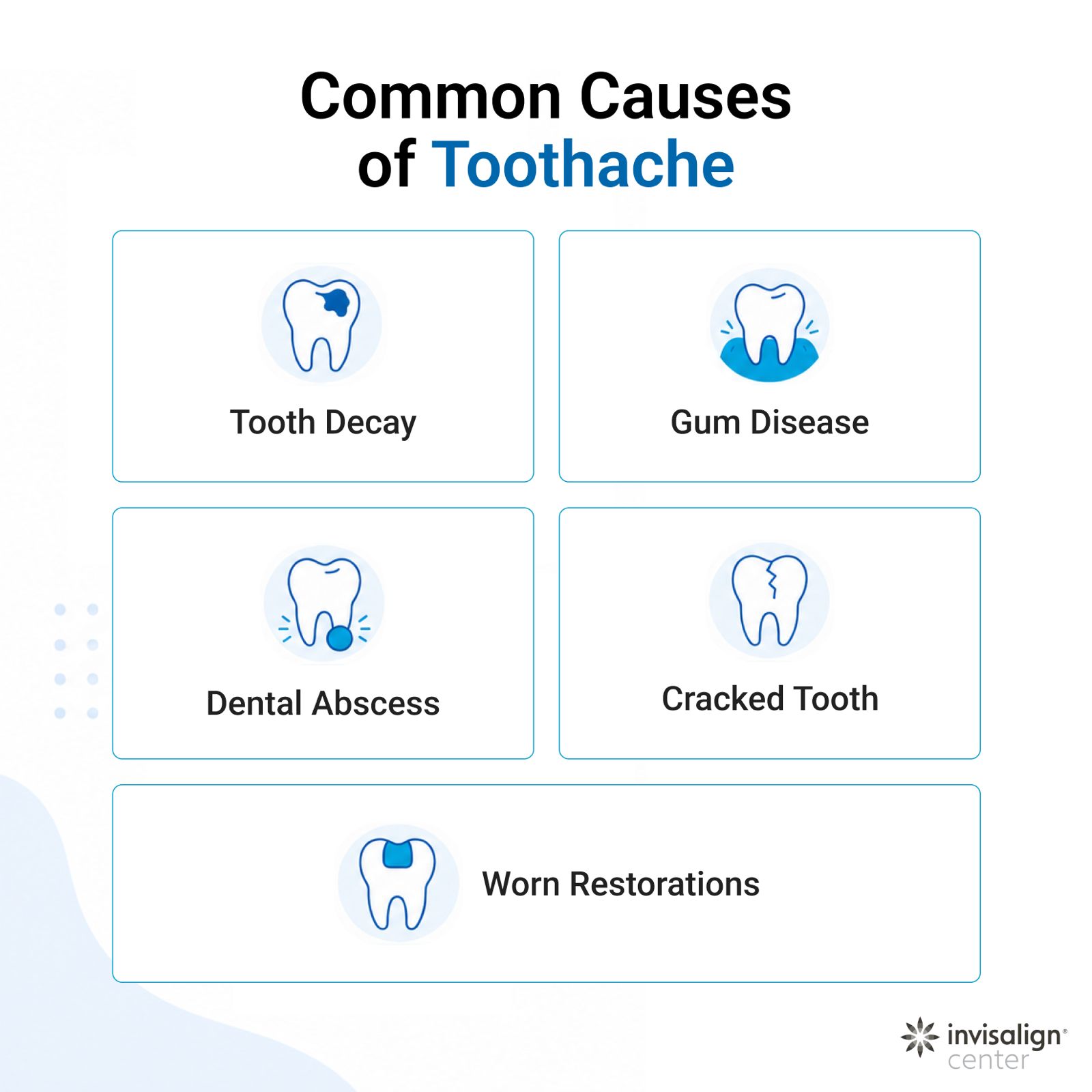
Common Toothache Causes
Different causes require different forms of care, which is why identifying the source of the problem matters.
Tooth Decay and Cavities
Decay develops gradually, moving from the outer enamel towards the inner layers. Early cavities often cause no noticeable symptoms. Discomfort typically begins once decay reaches the dentine or approaches the pulp, where the nerves are located. This is why routine dental examinations can identify problems before they become painful.
Gum Disease
Bacteria accumulating beneath the gum line can trigger inflammation, leading to tenderness, swelling, and bleeding during brushing. These are often the earliest signs of gum disease.
Many people dismiss occasional bleeding, but healthy gums should not bleed regularly. As the condition progresses, the gums may recede, exposing the root surface. Because roots are naturally more sensitive than enamel, this exposure can make hot, cold, or sweet foods feel increasingly uncomfortable.
Cracked or Damaged Teeth
Teeth can develop hairline fractures that are invisible to the naked eye but still allow bacteria and pressure to irritate the inner layers. Damage caused by accidents or biting something hard may be obvious or difficult to detect. Discomfort during chewing is common because each bite places stress on the affected area.
Dental Abscess
An abscess is a bacterial infection around the tooth root, often caused by untreated decay or advanced gum disease. It can lead to swelling, throbbing pain, and, in some cases, facial puffiness. Prompt treatment is important because the condition may spread beyond the affected area if left untreated.
Worn Fillings, Crowns, or Other Restorations
Existing dental work can wear down over time. Fillings may shrink slightly or develop small gaps around their edges, while the margin where a crown meets the natural tooth can gradually become exposed. These openings allow bacteria to reach the tooth structure beneath, potentially leading to secondary decay. This is why soreness sometimes develops years after treatment, even when the restoration itself appears intact.

Teeth Grinding and Jaw Tension
Bruxism, or teeth grinding, places excessive force on the teeth and supporting structures, often during sleep. Morning soreness and jaw tension are common signs. Stress-related clenching during the day can have a similar effect. Some people also experience headaches or temporomandibular joint (TMJ) discomfort alongside these symptoms.
Can a Toothache Go Away on Its Own?
Minor irritation caused by aggressive brushing or temporary inflammation may resolve naturally within a day or two.
Discomfort linked to decay, bacterial infection, or structural damage rarely improves without treatment. Even when the pain eases temporarily, the cause is often still present.
In some cases, a tooth that has been causing significant discomfort may suddenly become pain-free. While this can seem like a positive sign, it may indicate that the nerve inside the tooth has died rather than the condition having resolved. The tooth may no longer transmit sensation, but infection or damage can still be present.
For this reason, a sudden loss of symptoms should not automatically be viewed as recovery. An examination can determine whether the underlying issue has resolved or continues to progress unnoticed.

Why Toothaches Sometimes Feel Worse at Night
Many people find that dental discomfort becomes more pronounced in the evening, even when symptoms seemed manageable during the day.
Reclined positions can increase blood flow to the head, making sensations feel more pronounced. At the same time, daytime activities provide natural distractions, so background soreness often becomes more noticeable when you're lying in bed with fewer competing demands on your attention.
Toothache Pain Relief: What Can You Do at Home?
Home measures may provide temporary relief while you wait for an appointment, but they should not replace professional care.
Rinse With Warm Salt Water
Warm salt water can help soothe irritated tissues and keep the area clean while you wait for your appointment. Mix roughly half a teaspoon of salt in warm water and rinse gently around the affected area.
Apply a Cold Compress
Ice wrapped in a clean cloth and applied to the outside of your cheek for 10 to 15 minutes can help reduce swelling and provide temporary relief. Avoid applying ice directly to the skin.
Avoid Trigger Foods and Drinks
If specific temperatures or textures worsen your discomfort, avoid them temporarily. Hot, cold, hard, or sticky foods can aggravate existing symptoms.
Maintain Good Oral Hygiene
Gentle brushing and careful flossing help keep the area as clean as possible. Avoid vigorous scrubbing, which may further irritate inflamed tissues.
Over-the-Counter Pain Relief
Standard analgesics can provide temporary relief when used according to package directions. If you are unsure which option is appropriate, seek advice from your pharmacist or healthcare provider.
Avoid Common DIY Remedies
Avoid placing aspirin directly against the gum or relying on unverified home remedies. While some approaches may provide temporary comfort, they can irritate soft tissues or delay appropriate treatment.

When Should You See a Dentist for a Toothache?
Certain symptoms warrant prompt evaluation. Early intervention often leads to simpler, more predictable management compared to waiting until problems become more advanced.
Pain That Lasts More Than Two Days
Discomfort that persists beyond a couple of days is unlikely to be caused by minor irritation alone. A dental examination can help identify the source and determine whether treatment is needed.
Swelling Around the Tooth, Jaw, or Face
Visible swelling often indicates inflammation or infection. While mild swelling may remain localised around the affected area, swelling that extends into the face or jaw can suggest more extensive involvement.
Difficulty opening your mouth fully, trouble swallowing, or swelling accompanied by fever should not be ignored. These signs warrant prompt dental attention to identify the cause and prevent further complications.
Fever or Signs of Infection
Fever accompanying dental discomfort suggests systemic involvement rather than a localised problem. This combination warrants same-day or next-day assessment.
Sensitivity to Hot and Cold Foods
Brief sensitivity that settles quickly is often less concerning. However, discomfort that lingers after the trigger has been removed may indicate irritation deeper within the tooth and should be assessed if it occurs repeatedly.
Pain That Affects Eating or Sleeping
When symptoms interfere with eating, sleeping, or other daily activities, it is a sign that the situation requires attention rather than continued observation.
Tooth Pain Following Trauma
If discomfort develops after an accident, fall, or impact to the face, arrange an appointment promptly. Trauma can affect the tooth structure or blood supply, and some injuries are not immediately visible.

Could Your Toothache Be Related to Orthodontic Treatment?
Mild soreness after changing aligners or following orthodontic adjustments is usually expected. Teeth are being guided into new positions, and this movement places temporary pressure on the surrounding structures.
These sensations are often most noticeable during the first few days after an aligner change and may feel like pressure, tenderness, or mild sensitivity. In most cases, they improve as your teeth adapt.
Sharp pain, worsening symptoms, or sensations that persist beyond a week fall outside what is typically expected. Persistent throbbing or severe sensitivity should be discussed with your orthodontist.
How Dentists Diagnose the Cause of a Toothache
Diagnosis begins with a discussion about your symptoms. The details matter because different patterns often point to different underlying conditions.
For example:
Sharp pain when biting may indicate a crack or structural damage.
Persistent throbbing is often associated with infection or inflammation.
Sensitivity that comes and goes may be linked to enamel wear or gum recession.
A clinical examination allows the affected area and surrounding tissues to be assessed for visible signs such as decay, swelling, fractures, or changes in the gums.
Imaging helps identify issues that cannot be seen during a visual examination. Digital X-rays can reveal:
Decay beneath the surface
Infection around the root
Bone loss
Changes affecting existing restorations
In more complex situations, three-dimensional imaging may be recommended to provide a more detailed view.
Your dentist may also perform vitality testing using gentle thermal or electrical stimulation. The response helps determine whether the pulp is healthy, irritated, or no longer viable.
By combining symptom history, clinical findings, imaging, and vitality testing, dentists can identify the source of the symptoms and determine the most appropriate course of treatment.

Treatment Options for Toothache
Treatment depends on the underlying cause. Once the source of the discomfort has been identified, your dentist can recommend the most appropriate approach.
Restorative Treatments for Tooth Decay
When decay affects the outer or middle layers of a tooth, a filling can restore its strength and function. The affected area is removed and replaced with a durable material, helping prevent further progression.
For larger areas of damage, an inlay or onlay may be recommended. These custom-made restorations are designed to fit precisely within or over the affected area, preserving more natural structure than a large filling. They are often suitable when significant damage is present but the remaining structure remains stable.
Root Canal Treatment
When infection or inflammation reaches the pulp, root canal therapy may be required. This procedure removes the affected tissue, cleans the internal space, and seals it to prevent further bacterial contamination.
Many people associate root canal treatment with pain, but the procedure is designed to relieve symptoms by removing the source of irritation. The treated tooth remains functional and can continue to serve its normal purpose for many years.
Gum Disease Treatment
Periodontal disease requires an approach focused on controlling bacterial build-up and reducing inflammation. Treatment often begins with a deep cleaning to remove tartar and deposits beneath the gum line. This is typically supported by improved home care and, when appropriate, antimicrobial therapies. The aim is to stabilise the gums, protect supporting tissues, and reduce the risk of further bone loss.

Dental Crowns and Restorations
When a tooth has been weakened by a large crack, extensive wear, or previous treatment, a dental crown can help restore strength and function. By covering the visible portion of the tooth, it provides protection and helps distribute biting forces more evenly. In many cases, this allows a weakened tooth to remain functional for years to come.
Tooth Extraction
In some situations, saving a tooth may no longer be predictable or advisable. Extensive fractures, advanced decay, or widespread infection can compromise the remaining structure beyond repair.
When this occurs, extraction may be the most appropriate option to protect surrounding tissues and support long-term oral health. Removing a severely compromised tooth can also eliminate an ongoing source of discomfort and reduce the risk of further complications.
Underlying Cause | Recommended Treatment | Primary Goal |
Tooth Decay | Filling or Inlay | Restore structure |
Infection | Root Canal | Eliminate infection |
Gum Disease | Periodontal Treatment | Improve gum health |
Cracked Tooth | Crown | Protect tooth |
Severe Damage | Extraction | Prevent complications |
Can Toothaches Be Prevented?
While not every toothache can be avoided, good oral health habits can significantly reduce your risk.
Maintain a consistent oral hygiene routine: Daily brushing with a soft-bristled toothbrush and regular flossing help control plaque and decay-causing bacteria. Consistency matters more than brushing aggressively.
Attend regular dental check-ups: Routine examinations allow potential concerns to be identified before they become painful or more difficult to treat.
Limit excess sugar consumption: Sugary foods and drinks encourage bacterial activity that contributes to decay. Reducing intake and rinsing with water afterwards can help minimise the risk.
Protect your teeth from grinding: If you suspect you grind or clench your teeth, speak with your dentist. A custom night guard can help reduce wear and unnecessary pressure on the teeth.
Address small concerns early: Early intervention for issues such as minor cavities, gum inflammation, or worn restorations can help prevent more complex problems later on.
Understanding When Professional Care Matters
Toothaches can stem from a range of causes, from minor irritation to conditions that require treatment. Understanding the difference is important, particularly when symptoms persist, worsen, or begin to affect daily life.
While temporary measures may help manage discomfort, they do not address the source of the issue. Identifying the source early often provides more treatment options and helps prevent unnecessary complications.
Paying attention to changes in your oral health and seeking advice when something feels unusual can help protect both your comfort and long-term dental wellbeing.
Frequently Asked Questions
Can a sinus infection actually feel like a toothache?
Yes. The roots of the upper back teeth sit close to the maxillary sinuses. When the sinuses become inflamed, the resulting pressure can feel similar to dental pain. Nasal congestion, facial pressure, and discomfort that worsens when bending forward may indicate a sinus-related cause.
Why does the pain come and go?
Some dental conditions cause intermittent symptoms rather than constant pain. Decay, cracked teeth, worn restorations, and early infections may flare up before settling temporarily. Even if the toothache disappears, the underlying issue may still require treatment.
Can stress affect my teeth and jaw?
Yes. Stress can contribute to teeth grinding and jaw clenching, particularly during sleep. Over time, this added pressure may lead to toothache symptoms, jaw soreness, headaches, and increased tooth sensitivity.
How can I tell if it is a cavity or a wisdom tooth coming in?
A cavity often causes pain in a specific tooth and may be triggered by hot, cold, or sweet foods. Wisdom tooth discomfort is usually felt at the back of the mouth or jaw and may be accompanied by swollen gums or pressure around neighbouring teeth.
Can a persistent toothache cause bad breath or a bad taste in my mouth?
Yes. A dental infection or abscess can sometimes cause a persistent bad taste or unpleasant breath that does not improve with brushing. This may indicate the presence of bacteria or infection around the affected area.

Written by
Dr. Seda Ozyoney
General Dentist
Dr. Seda Ozyoney is a general dentist and endodontist with more than 16 years of clinical experience. She holds a PhD in Dental Sciences from Marmara University, Istanbul, and has extensive expertise in endodontic treatment, restorative dentistry, veneers, crowns, and aesthetic anterior restorations. Dr. Ozyoney is also a longstanding member of the Turkish Endodontic Society and the European Society of Endodontology.


